Handwriting
How to fix reversed letters (b and d) in young writers
By Jobi · Creator & Maintainer, PrintablesWorld · Updated 2026-06-25 · 5 min read
Almost every young writer reverses letters, and b and d are the pair that causes the most trouble. The usual response, more practice, with both letters on the same sheet, is close to the worst approach available. Free printable letter formation sheets help once the letters are being taught apart and by movement.
Why b and d specifically
Because they are the same shape. A circle and a stick. The only difference is which side each is on.
Every other object a child has met keeps its identity when it turns round. A cup facing left is still a cup; a chair seen from the other side is still a chair. Written letters are the first thing in a child's experience where orientation changes what something is. That is a genuinely new rule, not carelessness, and it takes time to absorb.
p and q are the same problem, and b/p and d/q add a vertical flip on top.
When it is typical, and when to ask
Reversals are common and generally expected up to around age seven. Many children still produce them occasionally at seven or eight, particularly when writing quickly or thinking hard about content.
It is worth raising with the child's teacher if reversals are still frequent past about eight, if they appear in reading as well as writing and are affecting comprehension, if whole words or numbers are consistently reversed, or if there are other signs of difficulty with reading and spelling.
One myth worth retiring: letter reversals on their own are not a diagnosis of dyslexia. They are common in children with and without reading difficulties. It is the wider pattern that matters, which is why the teacher's view is more useful than any single sign.
What not to do
Do not teach or practise them together. The most common mistake. Putting b and d side by side for comparison invites confusion, because the two are stored as the same shape with a difference the child cannot yet hold. Separate them by weeks.
Do not rely on visual comparison. "Look carefully, this one faces this way" asks the child to use precisely the skill they have not developed.
Do not correct constantly. Frequent correction produces hesitancy and slows writing without fixing the letter.
Do not treat it as carelessness. It is not; the child usually cannot see the error at all.
What works
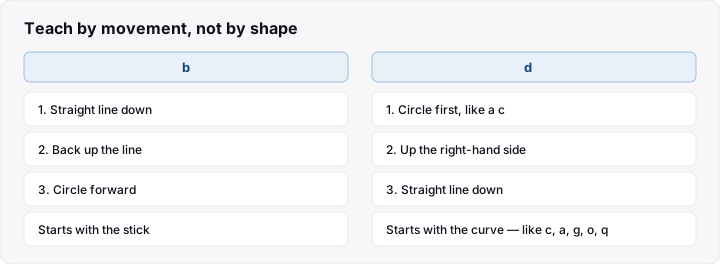
Teach by movement, not by shape. This is the key change. The two letters are drawn differently:
- b: start at the top, straight line down, back up, then the circle forward.
- d: start with the circle (like a c), then up and straight down.
Said aloud every time, this becomes a motor habit rather than a visual judgement. And motor memory is far more reliable here.
Use the letter family. d belongs with c, a, g, o, q: all starting with the same anticlockwise curve. A child who has learned that family writes d correctly because it starts like the others. This alone resolves many cases, and it is why teaching letters in families matters beyond neatness.
Teach one, secure it, then the other. Work on d for two or three weeks with no b in sight. Then introduce b as the different one.
The bed trick. Both fists thumbs-up in front of you make a lower-case b (left hand) and d (right hand), spelling "bed". The letters sit at each end of the word as the headboard and footboard. It works because it gives a physical, self-checkable reference rather than a rule to recall.
Multisensory practice. Trace the letter in sand, form it in playdough, write it large on a whiteboard. More channels means more chance of the movement sticking.
Give it a green dot. Mark the starting point on practice sheets. Most reversals are really start-point errors.
Other commonly reversed letters
p and q, s, z, j, and the numbers 2, 3, 5, 7 and 9. The same approach applies to all: teach the movement, mark the start, separate the confusable pair.
Number reversals often persist slightly longer than letter reversals, largely because children write numbers less often. They generally resolve with the same treatment and are not a separate problem.
Frequently asked questions
At what age should b and d reversals stop?
They typically become rare around seven, though occasional reversals at seven or eight are still common, especially when writing at speed. Persistent frequent reversals past about eight are worth mentioning to the teacher.
Does reversing letters mean dyslexia?
Not on its own. Reversals are common in children with and without reading difficulties. It is the broader picture, reading progress, spelling, phonological awareness, that matters, which is why a teacher's assessment is more useful than any one sign.
Should I correct every reversal?
No. Correct in short focused sessions on one letter, and let it go during free writing. Constant correction makes children hesitant without fixing the letter.
Does the bed trick actually work?
For many children, yes, because it replaces a rule to remember with something they can physically check. It is a support rather than a cure. The movement-based teaching is what resolves it.
Before you print
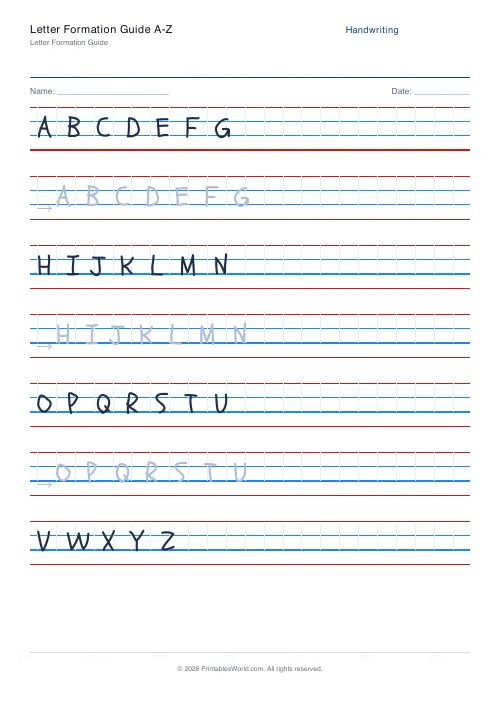
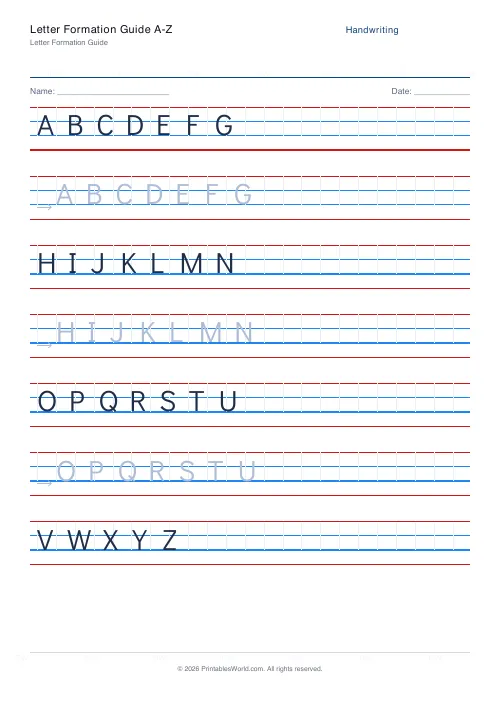
Separate the two letters by weeks, teach each by its movement rather than its shape, mark the starting point, and use the c-family to anchor d. Print letter formation sheets for one letter at a time, and keep an alphabet reference poster where the child can check without asking.
Related tools
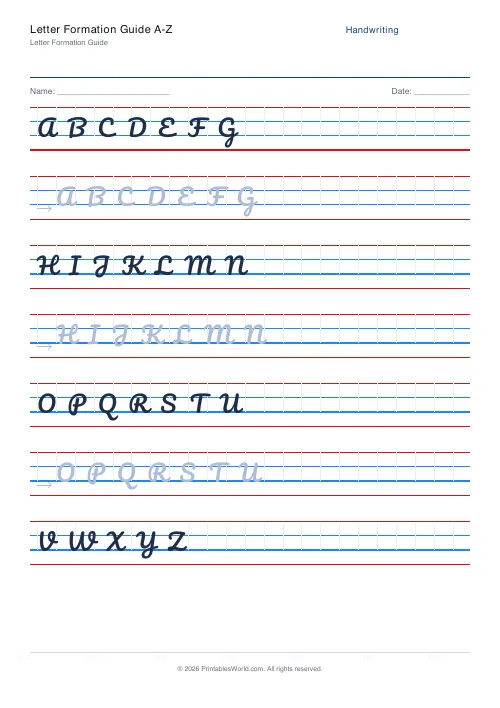
Letter Formation Guide A-Z
Full alphabet with directional arrows for stroke-order learning.
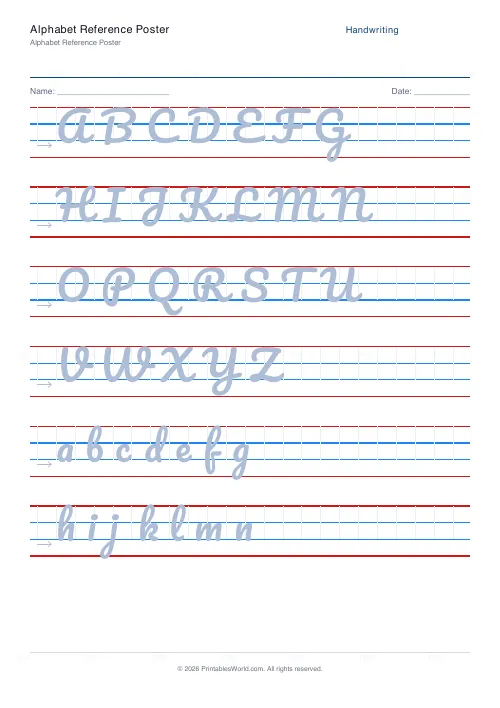
Alphabet Reference Poster
Full A-Z formation reference with directional arrows and letter boxes.
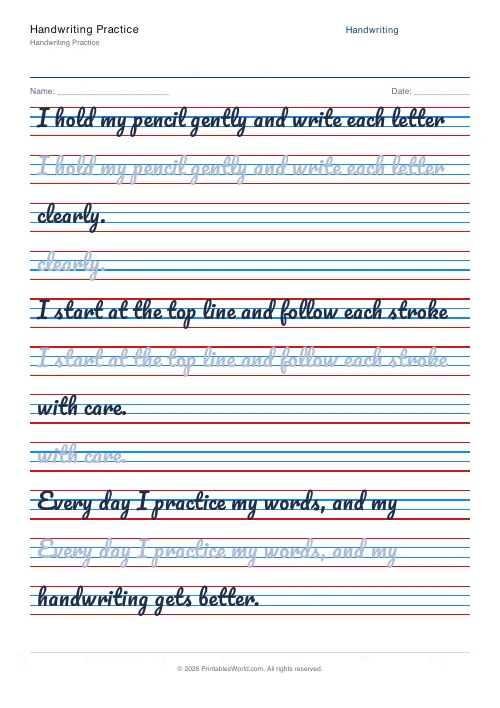
Handwriting Practice Generator
Create custom 4-line handwriting practice sheets with trace rows, adjustable guides, and your own text.
Continue reading
Handwriting
The best age to start handwriting practice
Age is the wrong question. Three readiness signs predict whether handwriting practice will help or frustrate. And what to do with the child who is not there yet.
5 min read
Handwriting
How to teach handwriting to kids: a step-by-step guide
A practical order for teaching handwriting: get the body and the pencil right first, then teach letters in stroke families rather than alphabetically, and keep sessions short enough that the hand never tires.
7 min read