Logic Puzzles
Logic Puzzles
Free printable logic puzzles: Sudoku, binary puzzles, Calcudoku, Kakuro, Nonograms and more. Blank grid plus full solution key, ready to print.
-
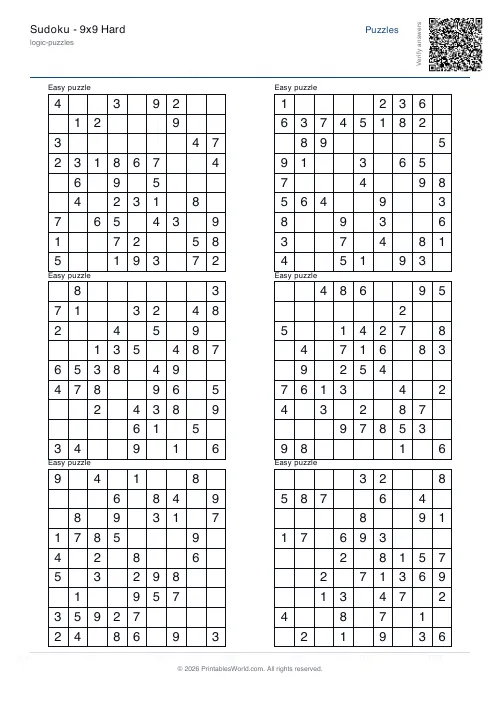 Sudoku Generator
 -
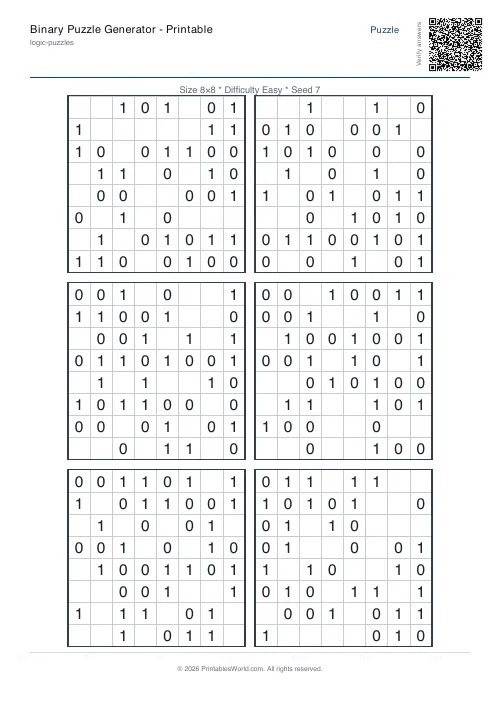 Binary Puzzle Generator: Printable
 -
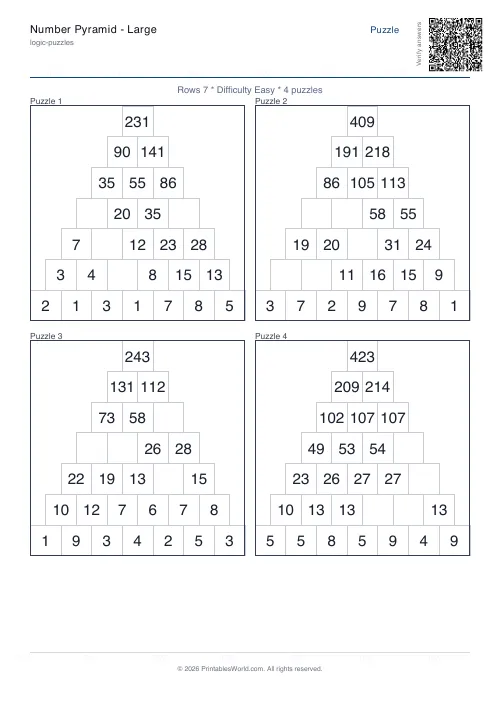 Number Pyramid Generator
 -
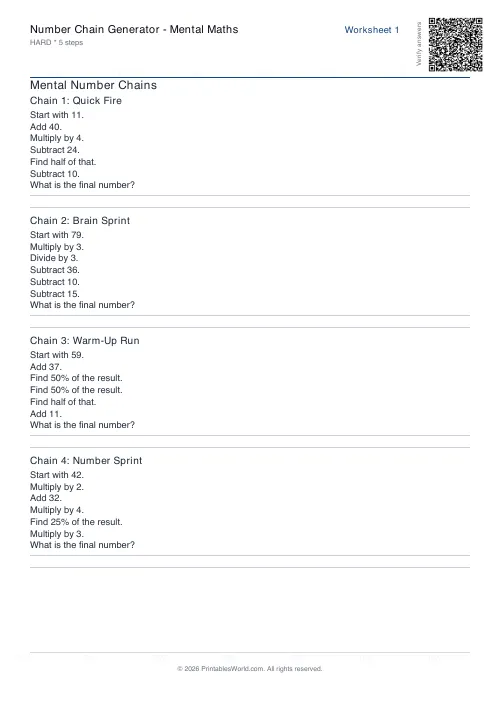 Number Chain Generator: Mental Maths
 -
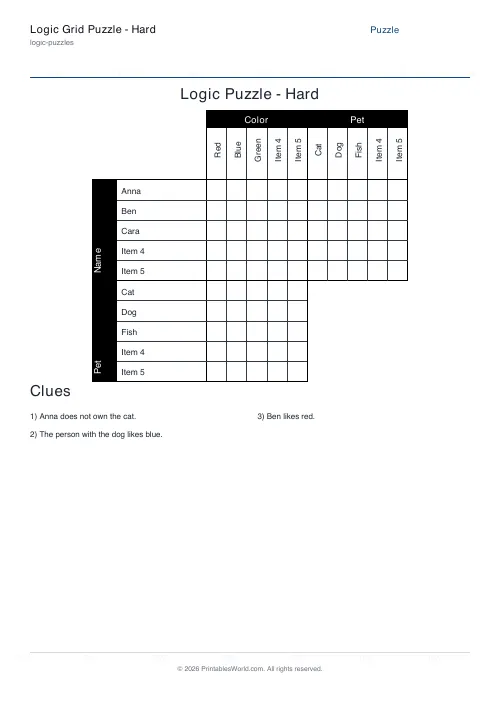 Logic Grid Puzzle Generator: Printable
 -
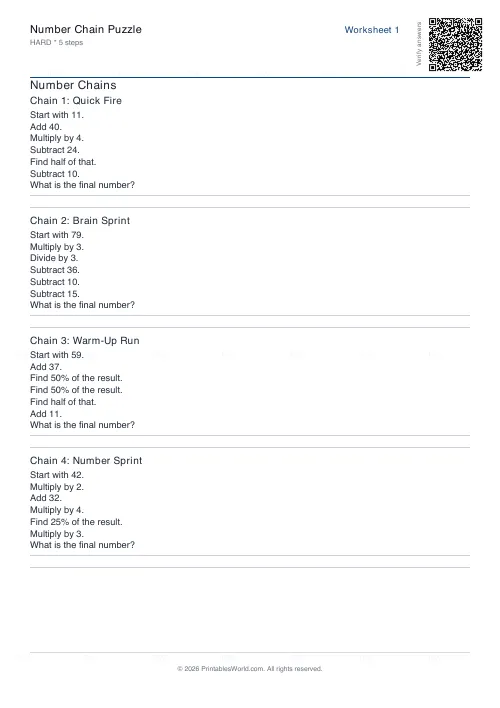 Number Chain Puzzle
 -
 Sudoku: 4x4 Easy
 -
 Sudoku: 6x6 Medium
 -
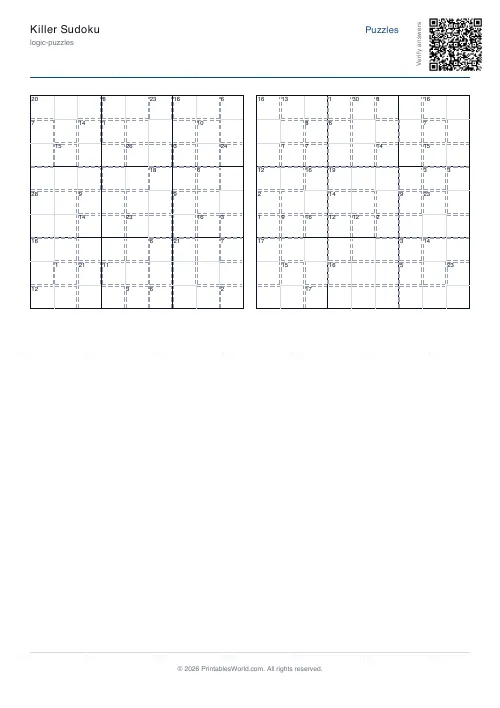 Killer Sudoku
 - Calcudoku: 4x4
- Calcudoku: 6x6
-
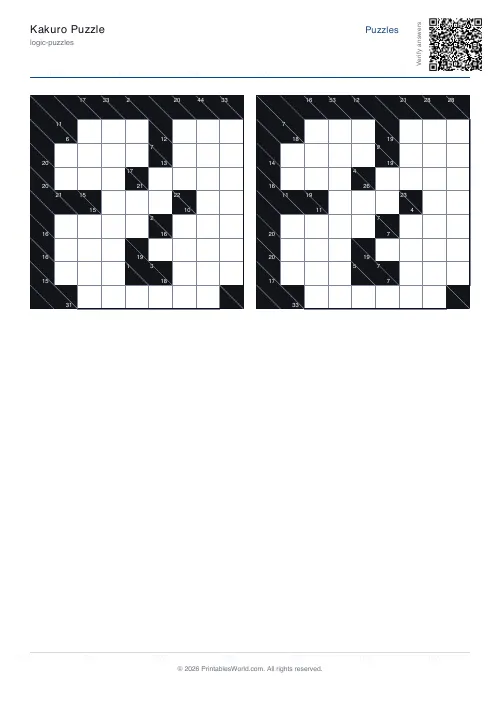 Kakuro Puzzle
 -
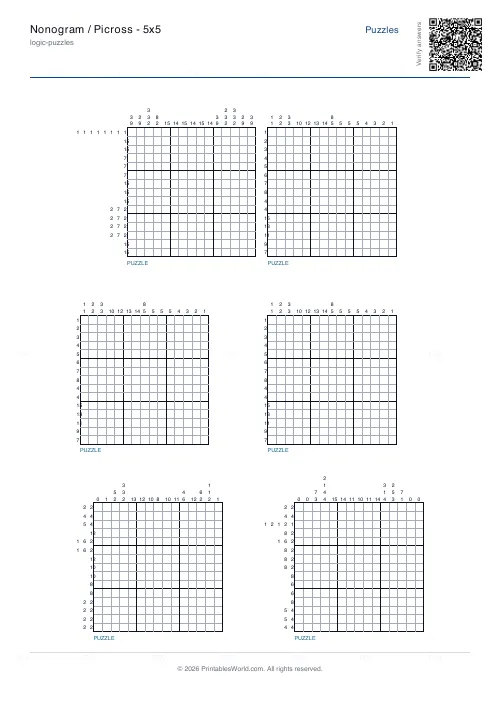 Nonogram: 5x5
 -
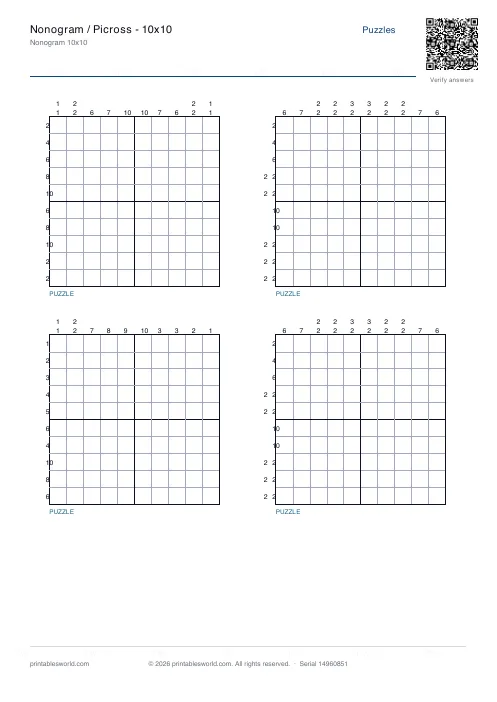 Nonogram: 10x10
 -
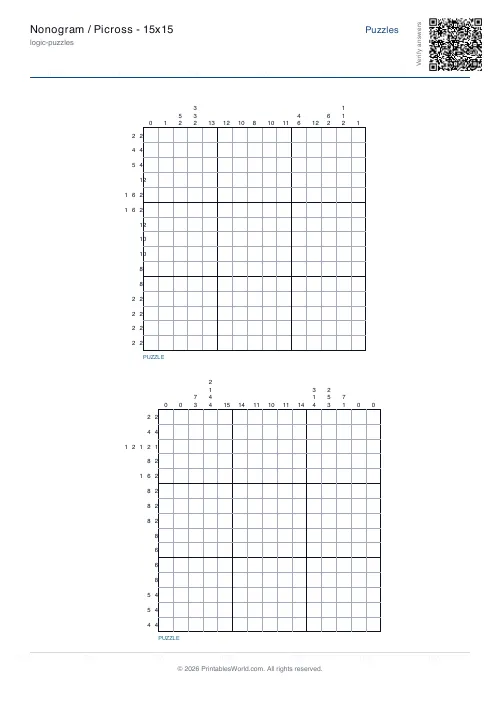 Nonogram: 15x15
 -
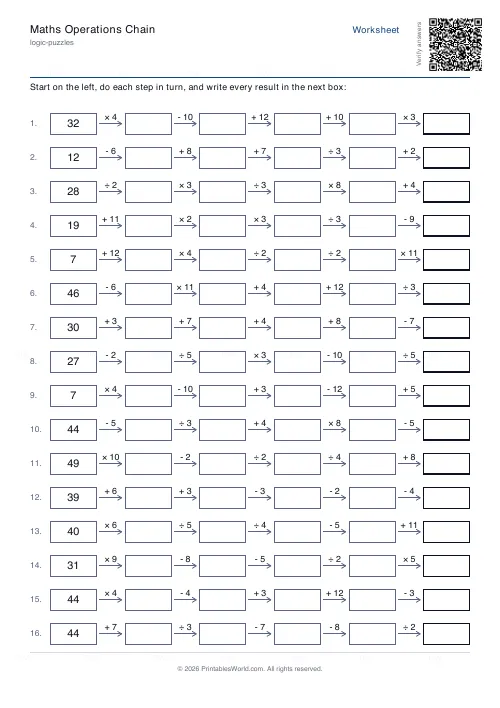 Maths Operations Chain
 -
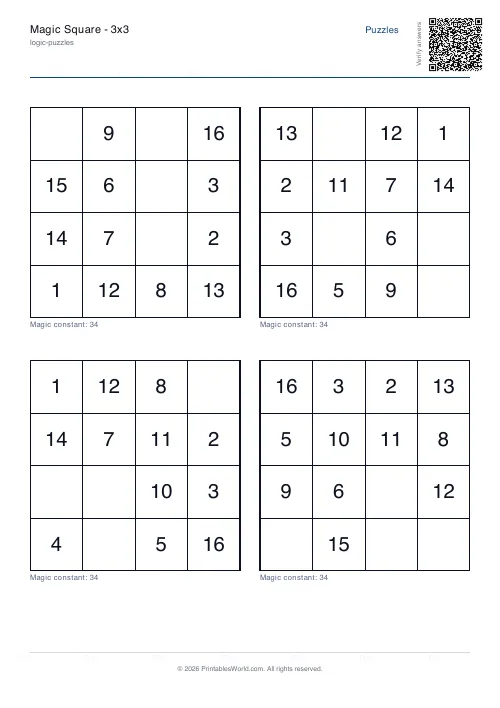 Magic Square: 3x3
 -
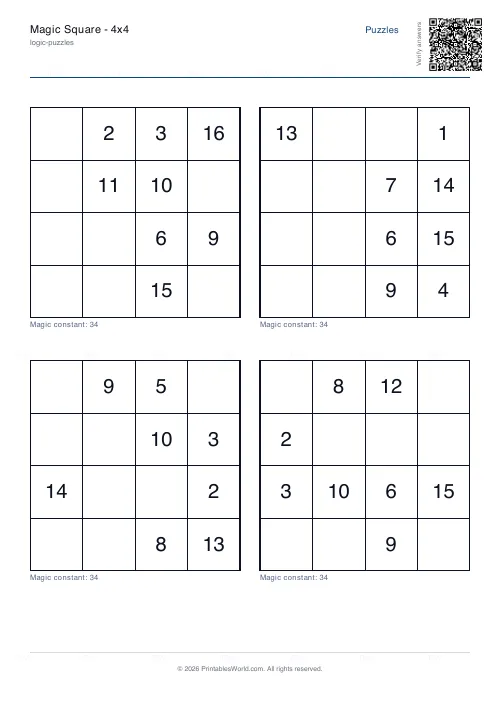 Magic Square: 4x4
 -
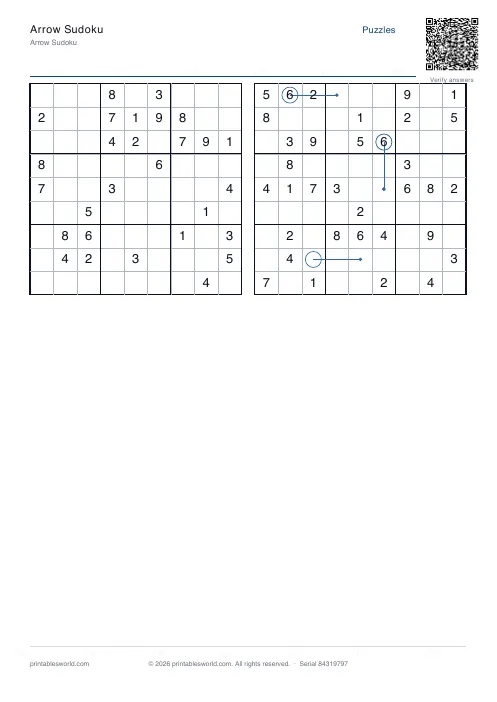 Arrow Sudoku
 -
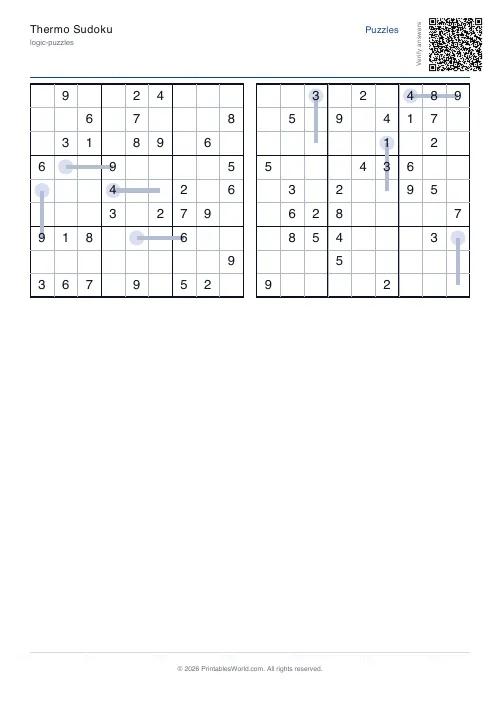 Thermo Sudoku
 -
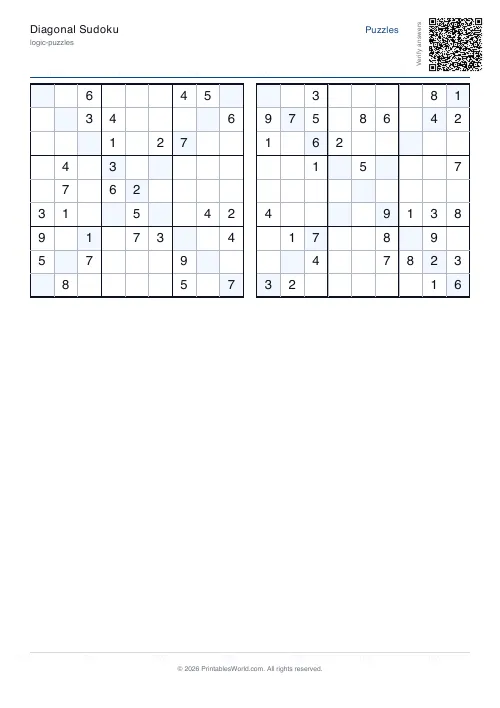 Diagonal Sudoku
 -
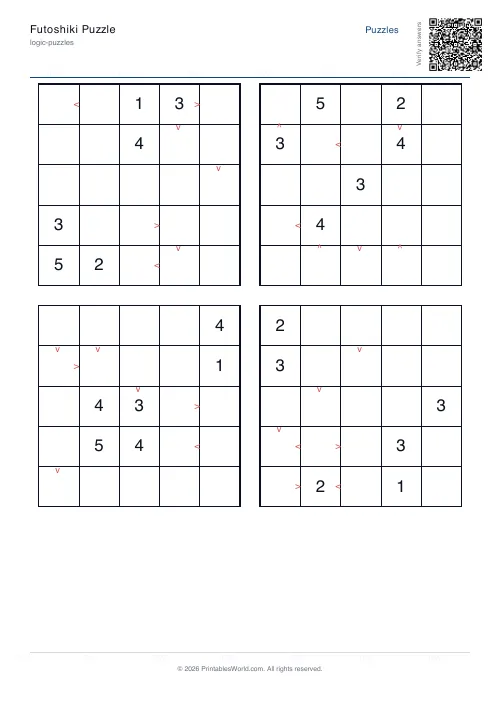 Futoshiki Puzzle
 -
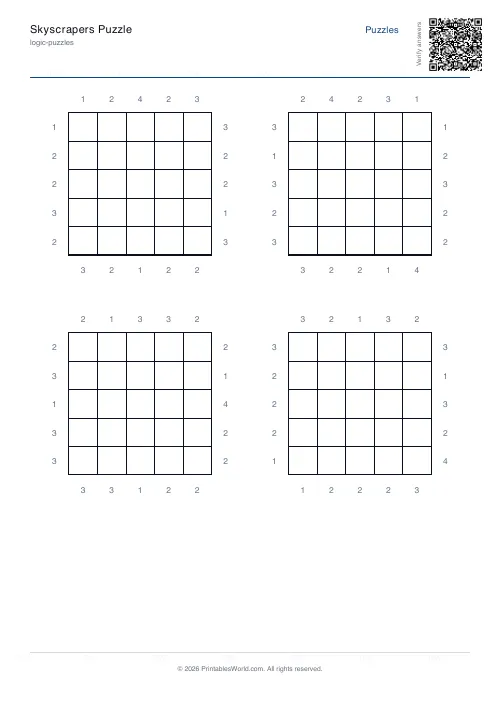 Skyscrapers Puzzle
 -
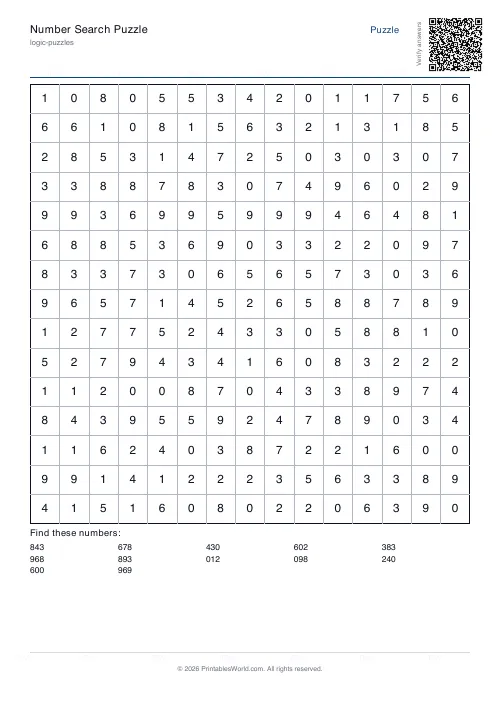 Number Search Puzzle
 -
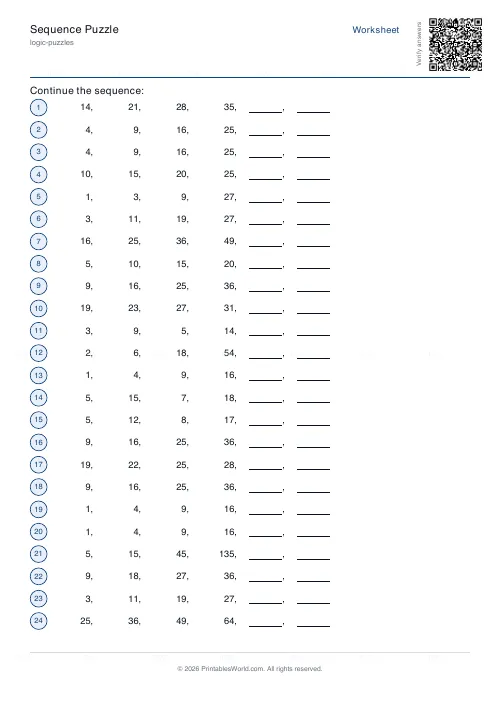 Sequence Puzzle
 -
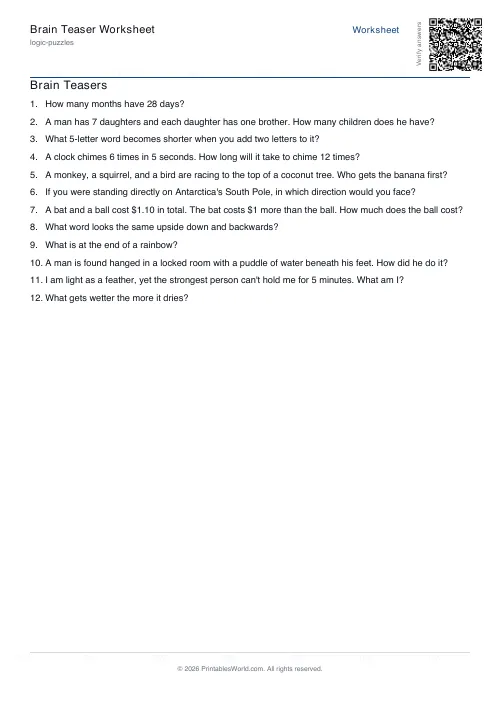 Brain Teaser Worksheet
 -
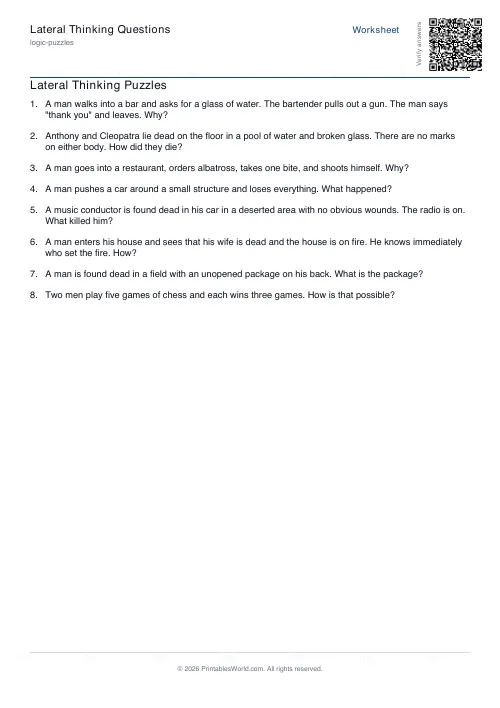 Lateral Thinking Questions
 -
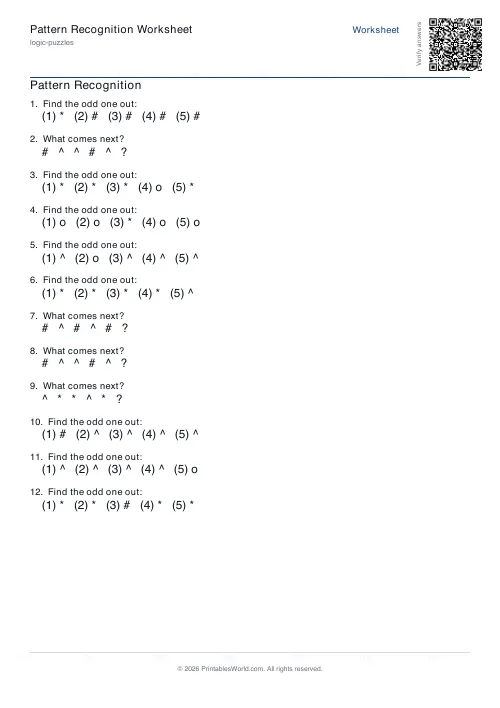 Pattern Recognition Worksheet
 -
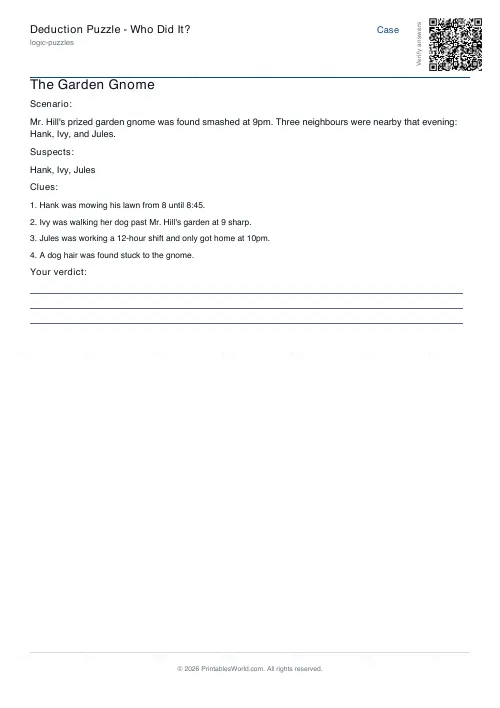 Deduction Puzzle: Who Did It?
 -
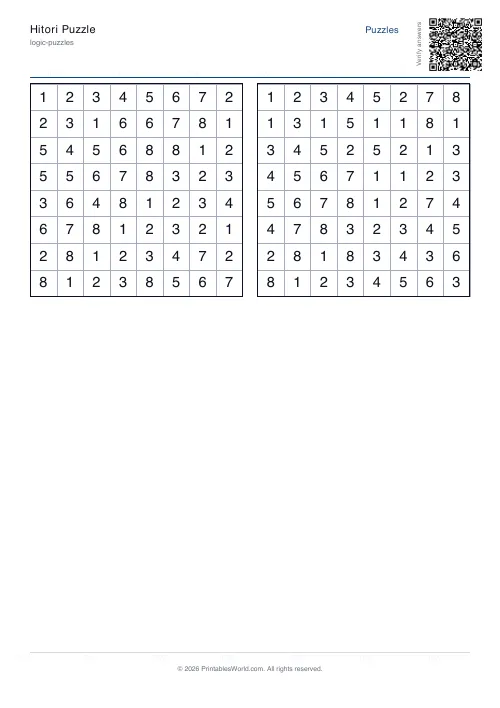 Hitori Puzzle
 -
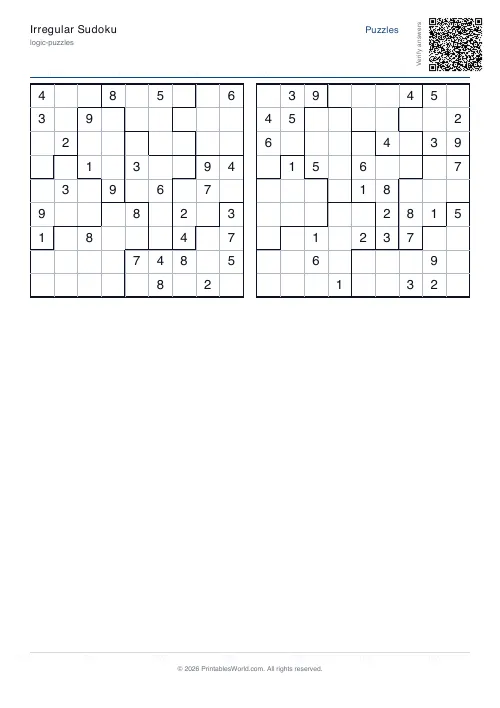 Irregular Sudoku
 -
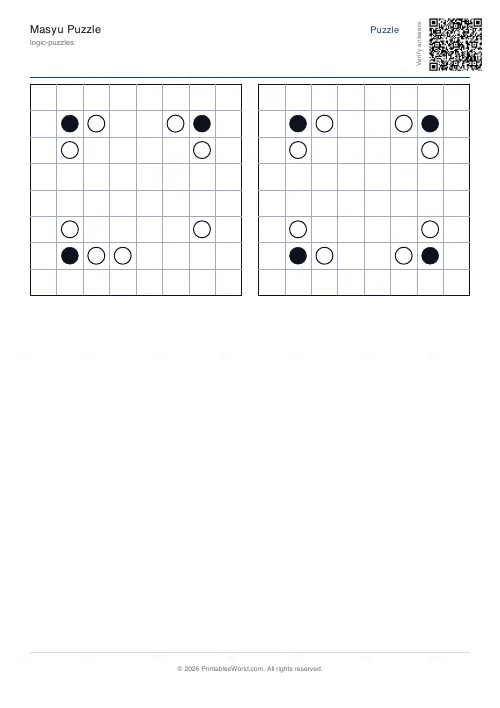 Masyu Puzzle
 -
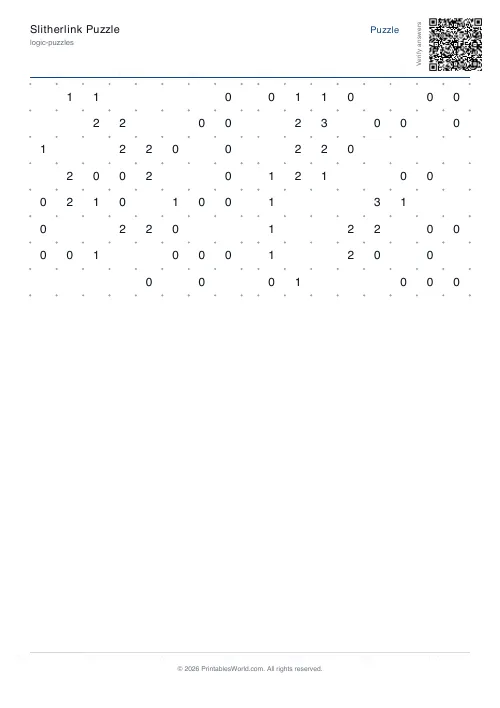 Slitherlink Puzzle
 -
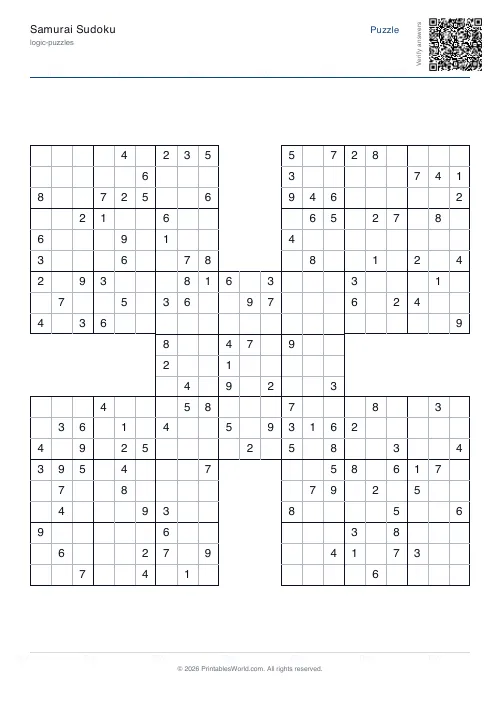 Samurai Sudoku
 -
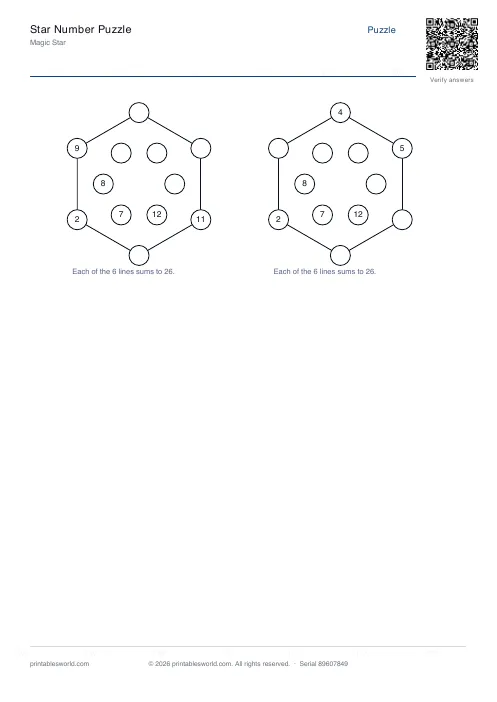 Star Number Puzzle
 -
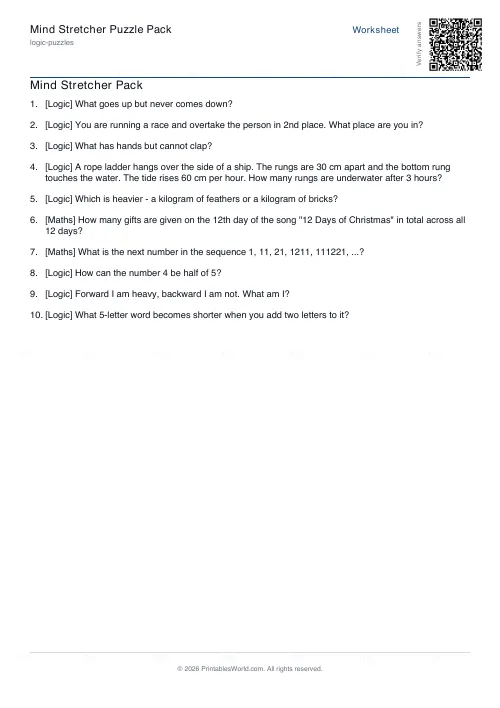 Mind Stretcher Puzzle Pack
 -
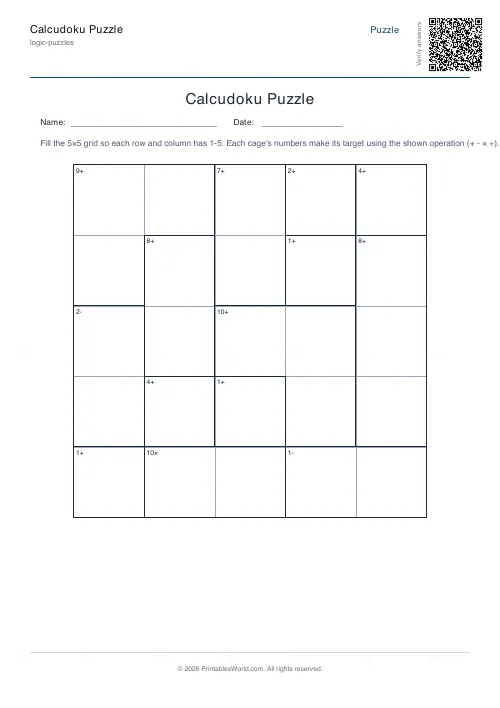 Calcudoku Puzzle
 -
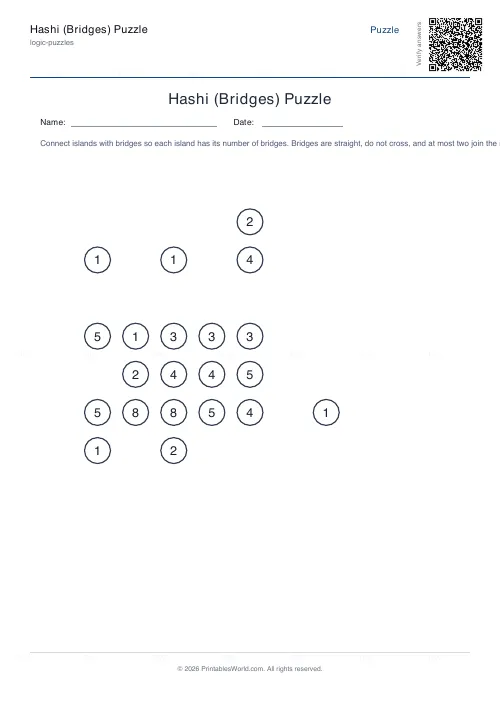 Hashi (Bridges) Puzzle
 -
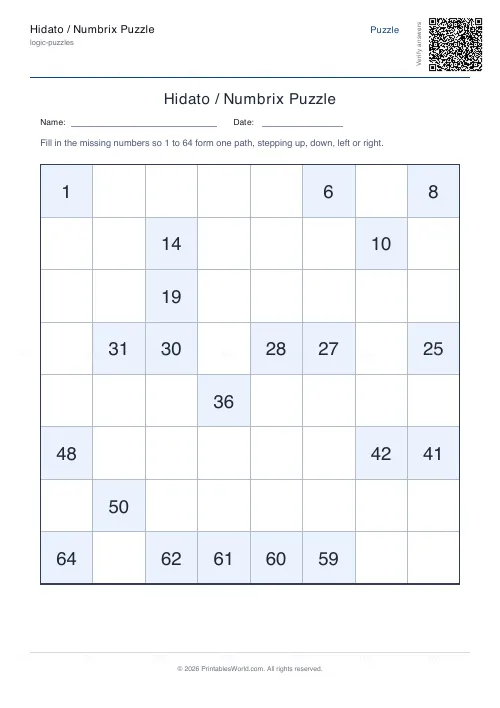 Hidato / Numbrix Puzzle
 -
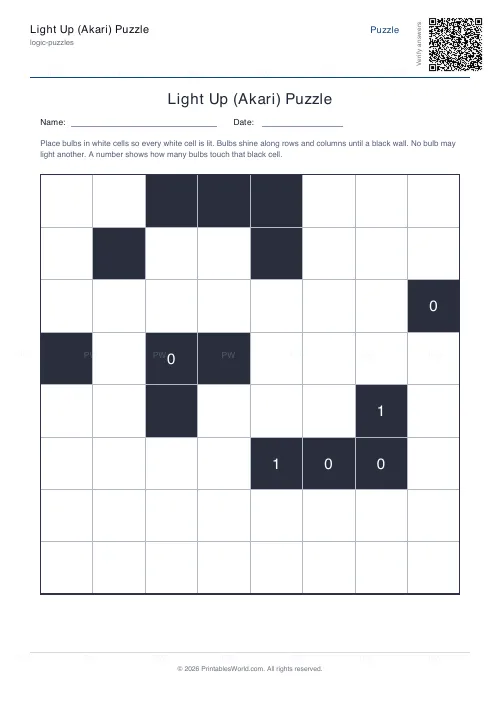 Light Up (Akari) Puzzle
 -
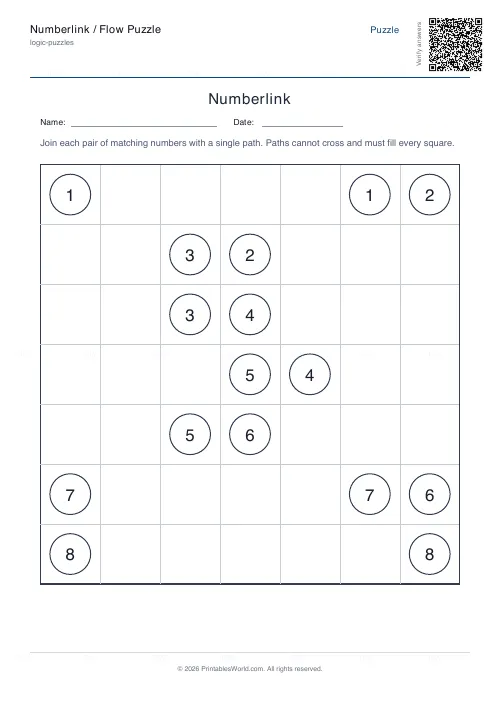 Numberlink / Flow Puzzle
 -
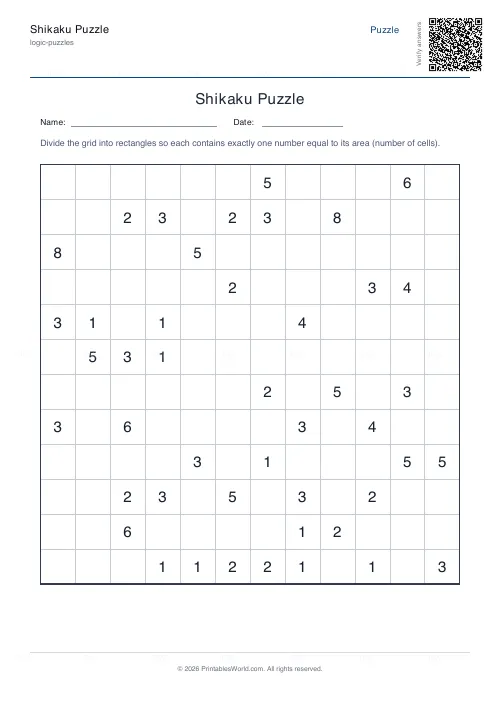 Shikaku Puzzle
 -
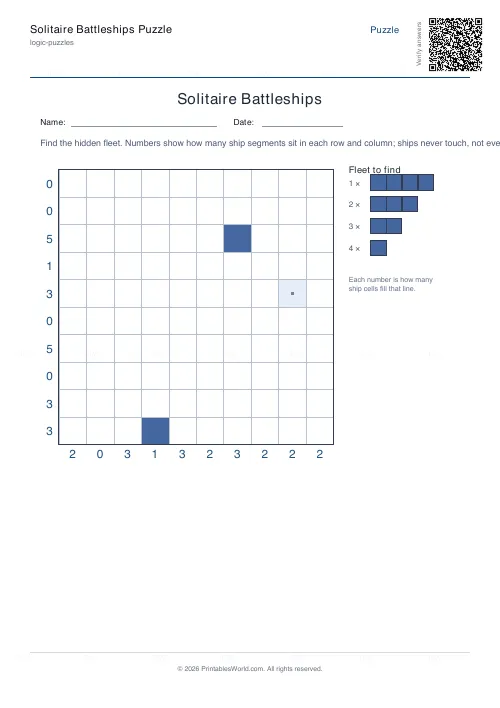 Solitaire Battleships Puzzle
 -
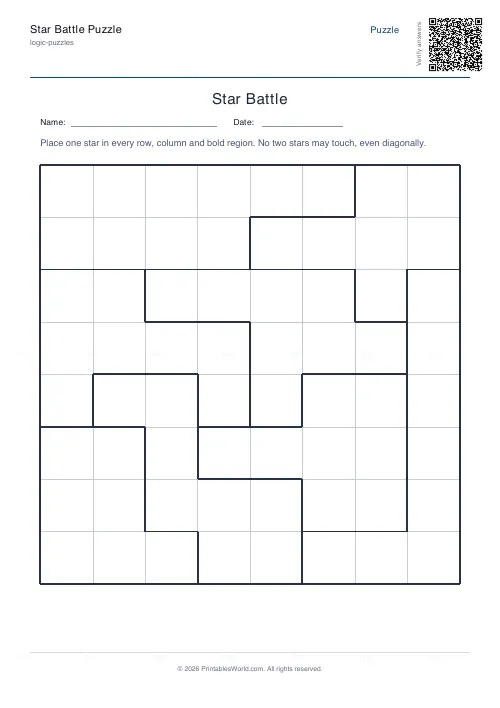 Star Battle Puzzle
 -
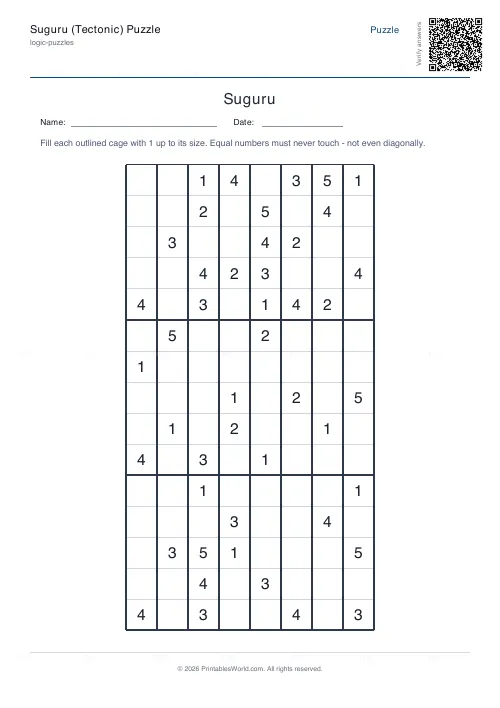 Suguru (Tectonic) Puzzle
 -
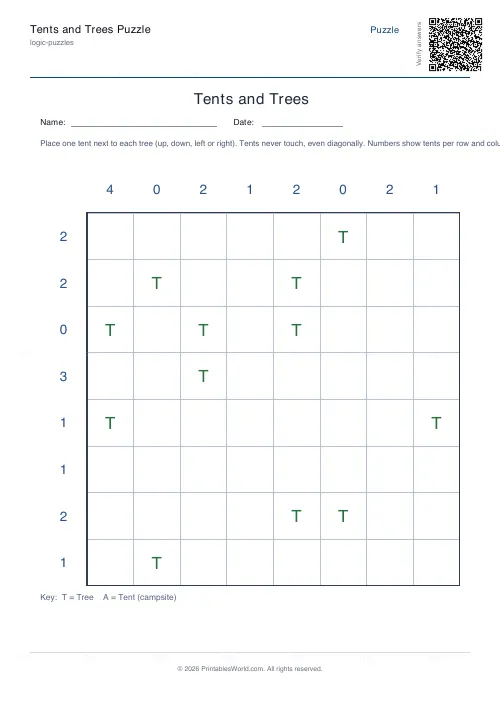 Tents and Trees Puzzle
 -
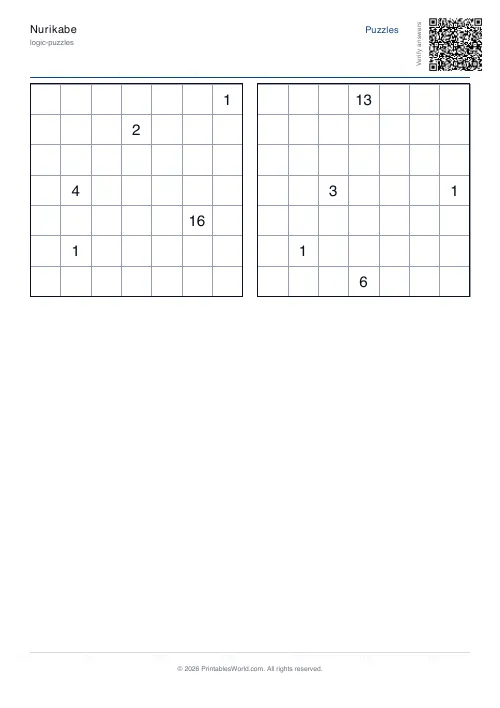 Nurikabe Generator
 -
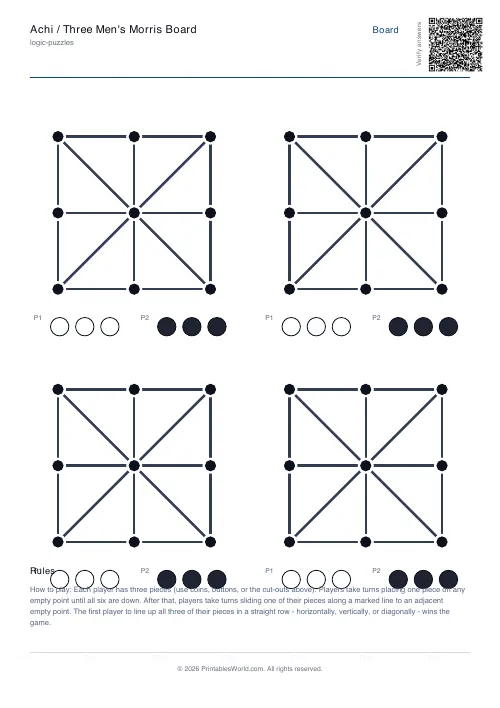 Achi / Three Men's Morris Board
 -
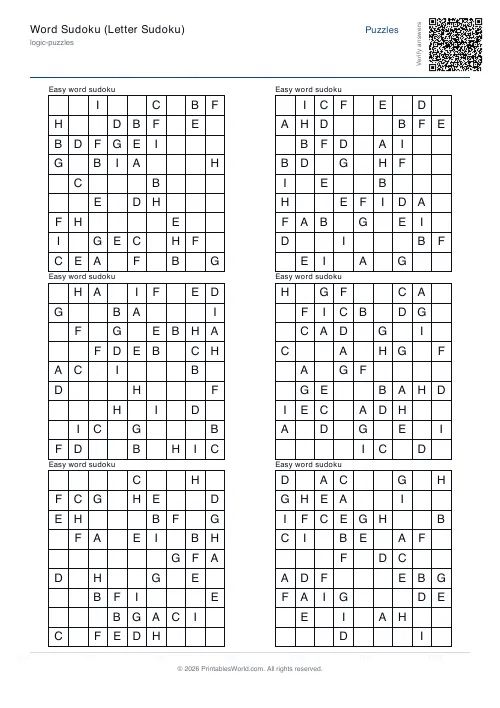 Word Sudoku (Letter Sudoku)
Every puzzle has exactly one solution
That sounds obvious and it is not. A logic puzzle with two valid solutions is broken, a solver who reasons correctly can still be marked wrong, which teaches the opposite of what the puzzle is for. Generating puzzles that are genuinely unique is harder than generating puzzles that merely look plausible, so the generators here run a solution counter over each puzzle before it is issued and discard any grid that admits more than one answer.
Every puzzle prints with its full solution on a separate page, so a sheet can be set as independent work and checked afterwards without you solving forty grids by hand.
Which puzzle for which solver
Sudoku is the usual entry point, and the 4×4 and 6×6 variants exist because the standard 9×9 grid is genuinely too much for a young solver, the smaller grids use the same logic in a form that can be finished in a few minutes. From there, the sudoku variants change the constraint rather than the size: diagonal, irregular, killer, arrow, thermo, word sudoku and the very large samurai grid.
If sudoku does not land, the deduction is often the problem rather than the numbers. Nonograms reward pattern reasoning and produce a picture at the end, which keeps solvers going. Hashi, slitherlink, masyu, numberlink and nurikabe are drawing puzzles where the answer is a route or a region, not a digit. Kakuro, Calcudoku and calcudoku bring arithmetic back in for anyone who wants the sums to matter.
The logic grid puzzles are the closest thing here to a reasoning test in the traditional sense: a set of clues, a grid of possibilities, and a single consistent assignment to find. They suit older solvers and work well as a group activity on a whiteboard.
Using them in a classroom
Logic puzzles are unusually good as settling work, because they are self-checking and quiet, and because a solver who is stuck is still reasoning. Printing a mixed pack across two or three difficulty rungs lets a whole class start at once without anyone being handed something obviously too easy. Magic squares, number pyramids and sequence puzzles are the gentlest options and work as a warm-up for the harder grids.