What this tool does
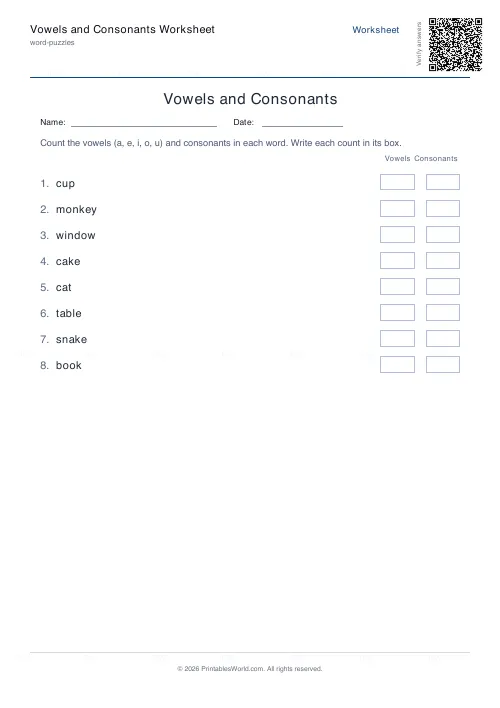
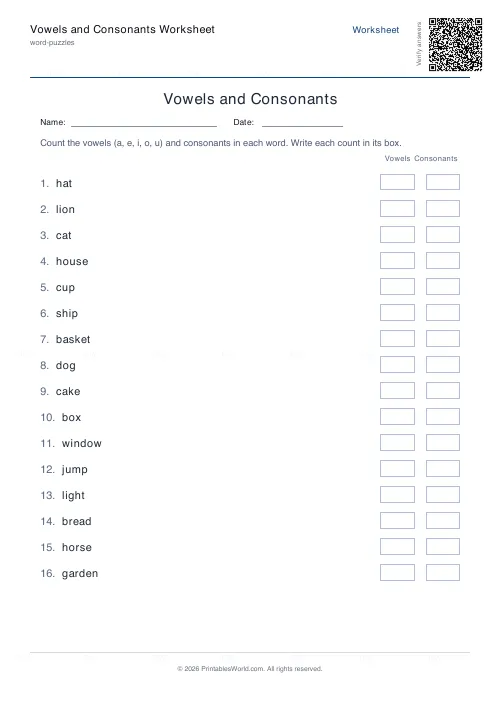
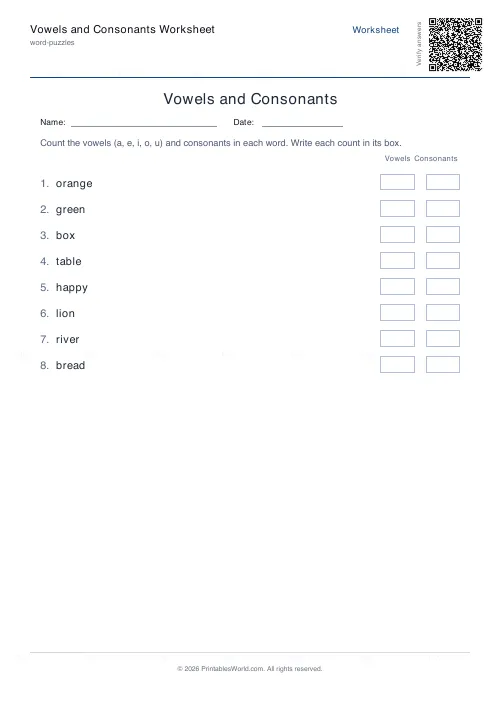
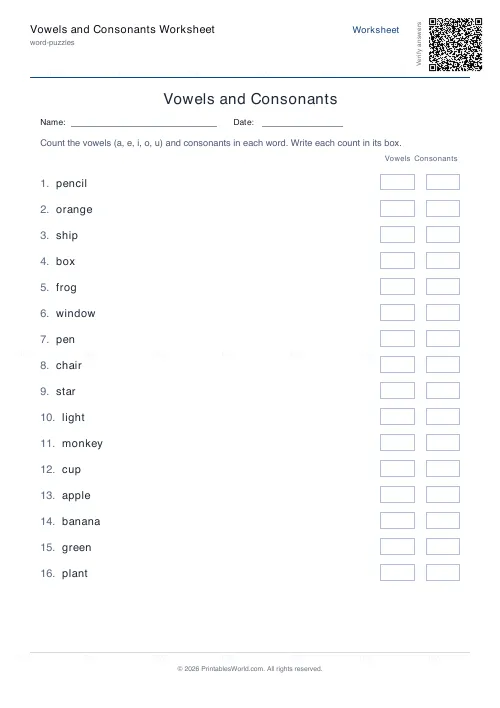
A printable worksheet built from a curated list of simple words. For each one the pupil counts the vowels and the consonants and writes both totals in their own boxes. Four to sixty words a sheet, reshuffled from the bank on every generation, with an optional answer key that fills in every count.
People also used
Feedback
Spotted something off with this tool?
Count the vowels, count the consonants, write both
Cat. Sun. Apple. Banana. The words come from a curated bank of short familiar ones, and for each of them the pupil writes two numbers into two boxes.
Because the counts are computed straight from the word rather than typed in by anybody, the answer key cannot disagree with the sheet. Marking is a matter of holding one page beside the other.
Between four and sixty words fit, twenty by default. Every generation reshuffles, so thirty children can have thirty different sheets from the same bank.
Five vowels, twenty-one consonants, one useful rule
A, e, i, o, u are the vowels here, and the other twenty-one letters are consonants. That is the working definition for this age group, and y is deliberately left out of it, which is a simplification you will have to unpick later but not yet.
Vowels are the open sounds at the core of a syllable. Consonants are made by blocking the airflow, either partly or completely. A child can feel that difference with a hand on their own throat far faster than they can be told it. Counting them in short words shows how a word is built and sets up blending and segmenting later.
One generalisation is worth stating early and often: every word needs at least one vowel. Children test it against the whole page, which is exactly what you want.
Making it harder without changing the settings
Ask for the vowels to be circled in one colour and the consonants in another before any counting happens. The counting then becomes a check rather than the task, and you can see the thinking on the page.
Or set a hunt: which word on the sheet has the most vowels, and does the longest word always win. It usually does not, and the child who notices that has understood something about the shape of English words that no amount of counting would have given them.
For older pupils, link the vowel count to syllables. The number of vowel sounds hints at the number of syllables, and the word where that rule breaks is the interesting one.
On the sheet itself
Set the word count, decide whether you want the answer key and the name and date fields, then press Generate New until you get a set you like. The preview updates as you go.
A4 or US Letter. A twenty-word sheet is a five-minute warm-up. A sixty-word one is a full lesson, so pick according to whether this is the starter or whether it is the main event.
FAQs
Quick answers
What is the difference between a vowel and a consonant?
The five vowels are a, e, i, o and u. The open sounds at the heart of most syllables. The other twenty-one letters of the alphabet are consonants, made by partly or fully blocking the airflow.
Are the answer counts reliable?
Yes. Each count is calculated letter by letter directly from the word, so the optional answer key is always correct.
What age group is this for?
It suits early phonics learners in Reception to Year 2 (Kindergarten to Grade 2), using a curated list of short, familiar words. It also works as a quick revision starter for older pupils.
Can I make every worksheet different?
Yes. Each generation reshuffles the word bank, so you can print a unique sheet for every pupil. Press Generate New to refresh the preview.
Related tools
Further reading
Word Puzzles
Prefixes and suffixes: a simple teaching guide
Learning that "un-" means not unlocks hundreds of words at once. Here are the affixes worth teaching first and the three spelling rules that cause most errors.
5 min read
Word Puzzles
Sight words: the complete teaching guide
Sight words are usually taught as words to memorise. Most of them are partly decodable, and treating them that way works better. Here is how, and how many to teach at once.
6 min read
Literacy & Spelling
Do word searches help spelling? What works
Do word searches help spelling, or just fill time? What they practise, what the evidence suggests, and how to turn a spelling list into useful recall practice.
8 min read
More like this
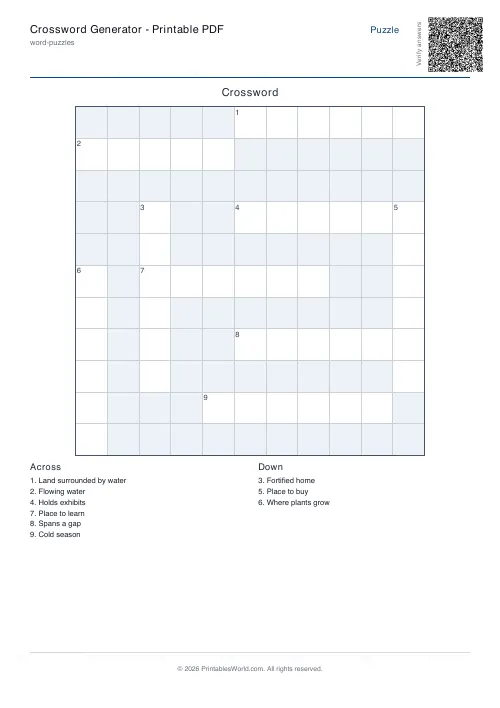 Crossword Generator: Printable PDF
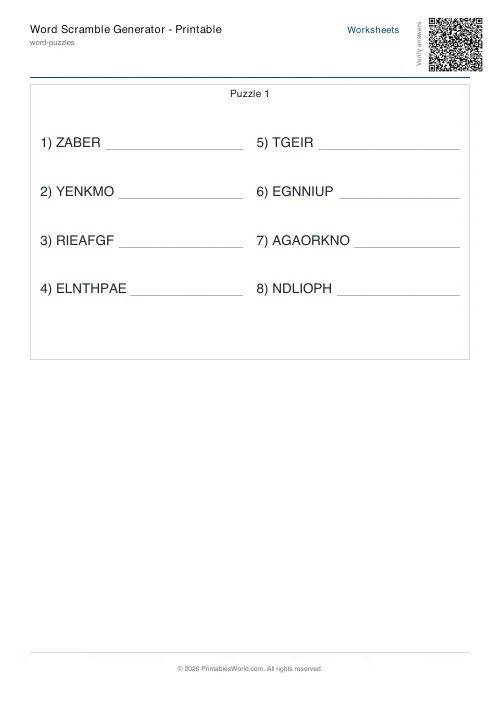 Word Scramble Generator: Printable
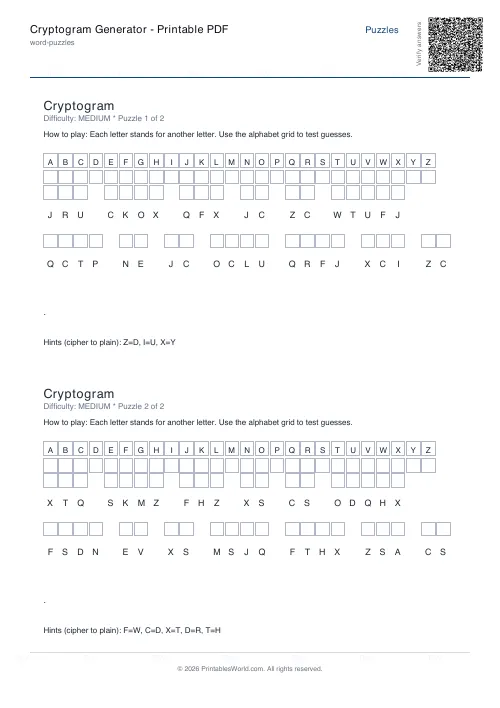 Cryptogram Generator: Printable PDF
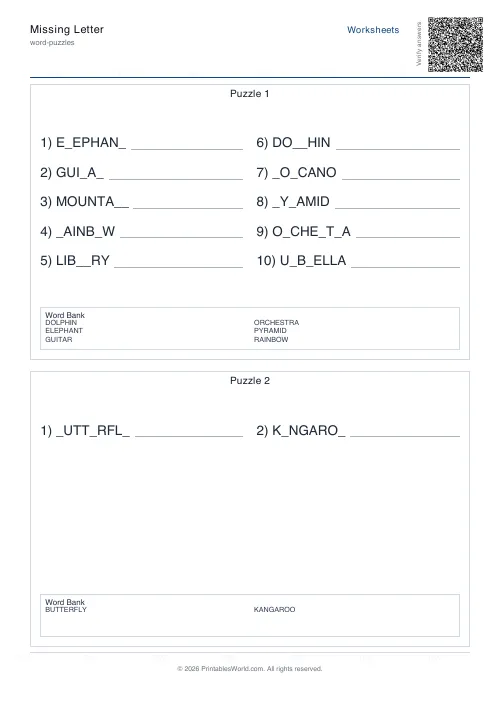 Missing Letter Generator
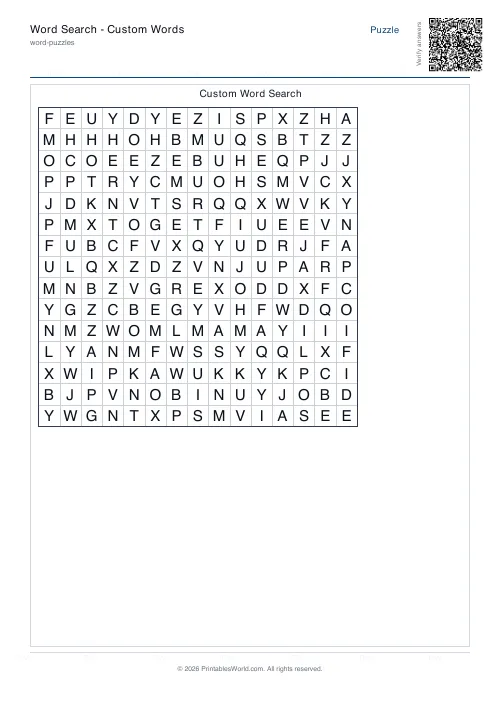 Word Search: Custom Words
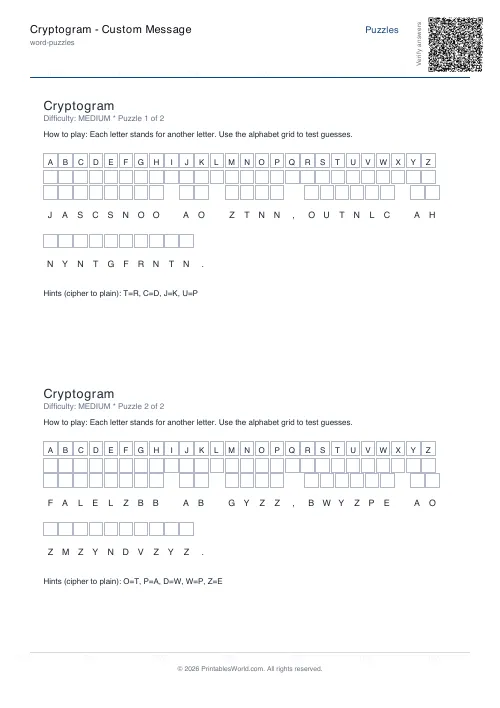 Cryptogram: Custom Message
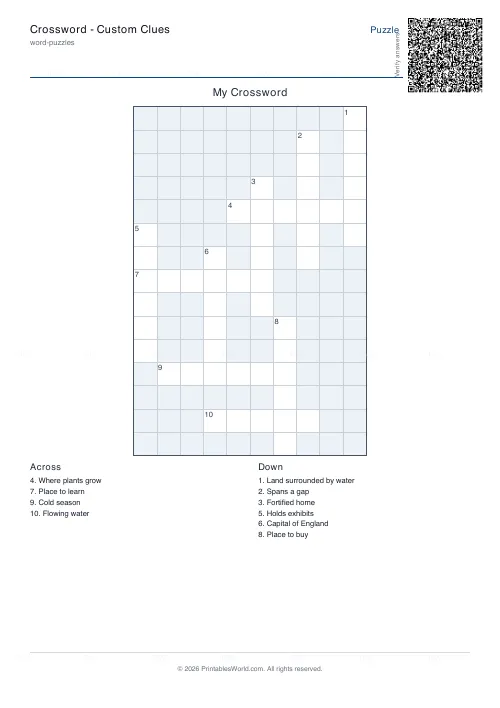 Crossword: Custom Clues
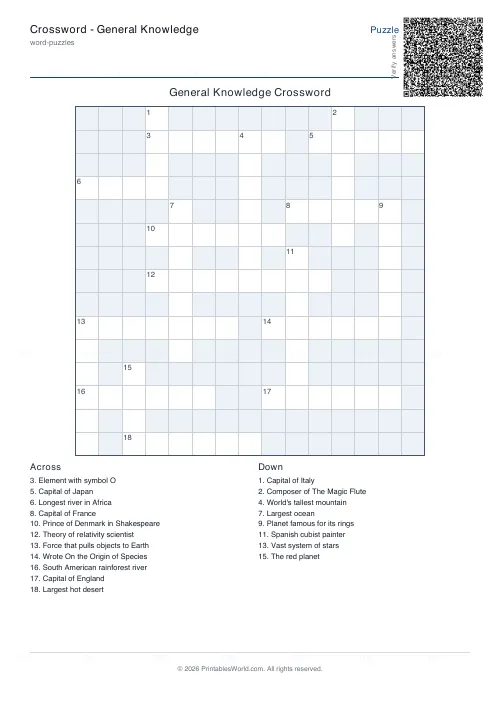 Crossword: General Knowledge
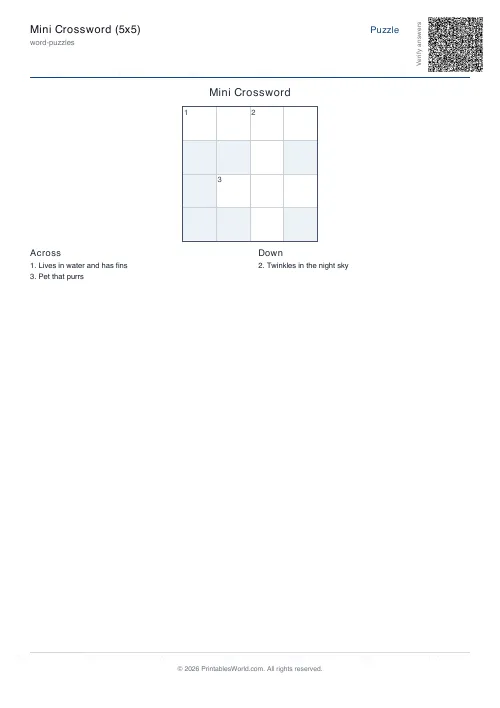 Mini Crossword
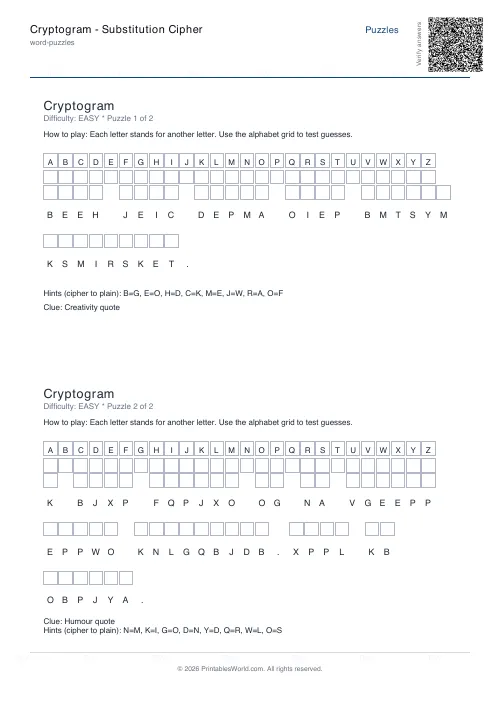 Cryptogram: Substitution Cipher
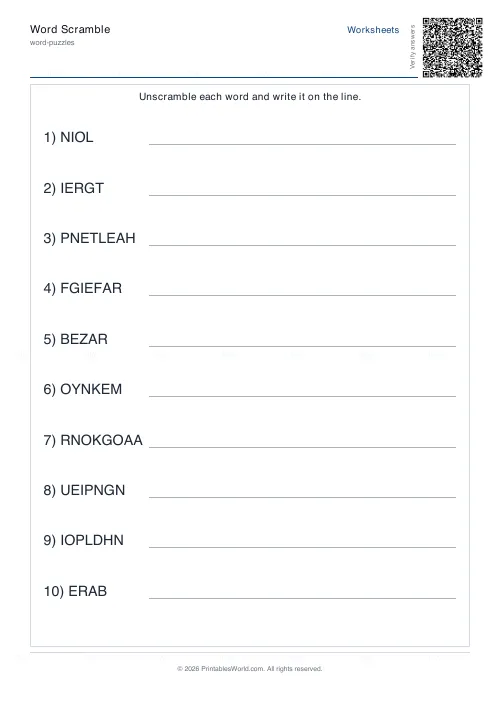 Word Scramble Generator
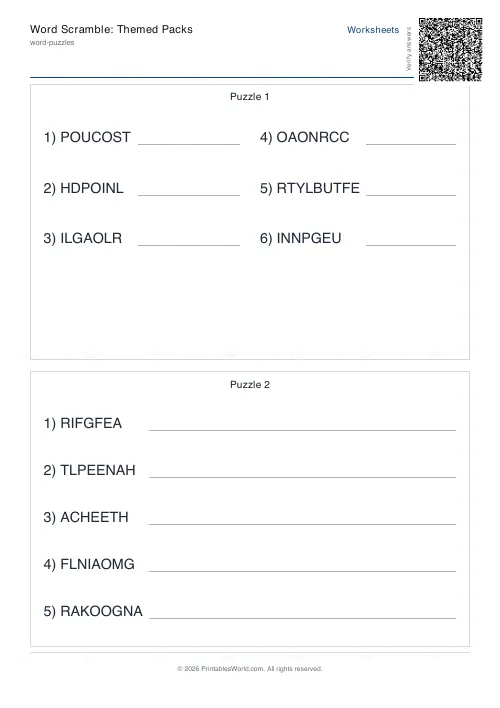 Word Scramble: Themed Packs
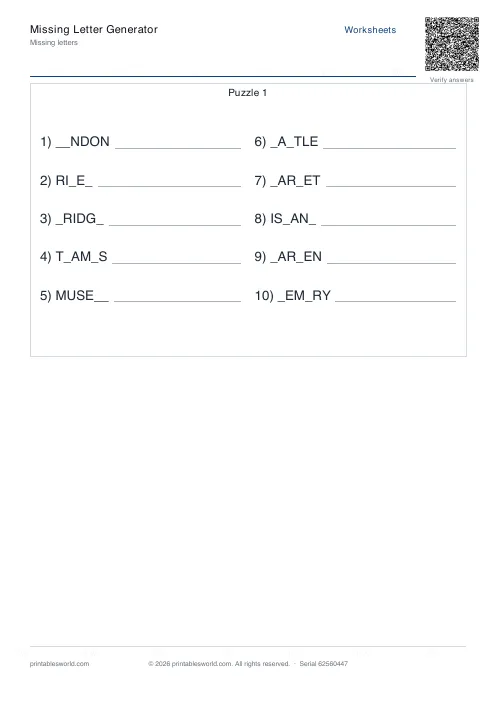 Missing Letters Puzzle
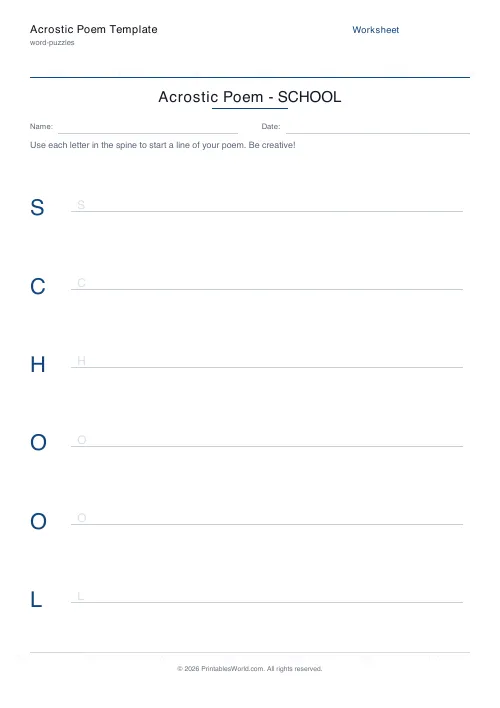 Acrostic Poem Template