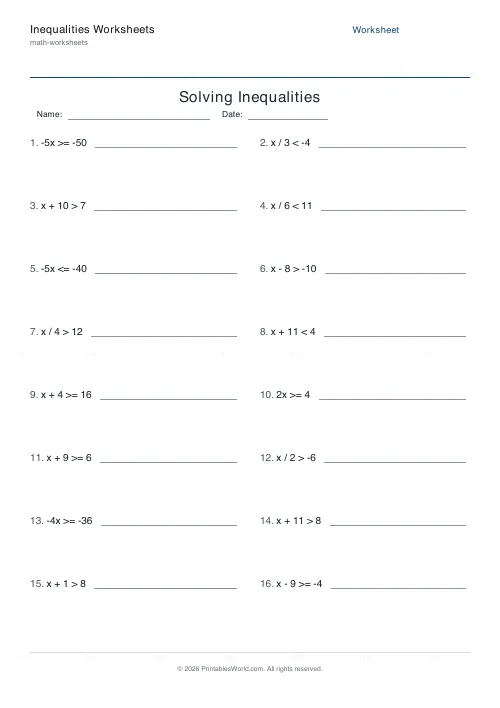
What this tool does
Linear inequality practice: one-step, two-step, or mixed. Pupils write the solution set and have to remember to flip the sign when they divide by a negative.
People also used
Equation Solving Worksheets
Printable one-step and two-step linear equations to solve.
Introduction to Algebra Worksheets
Printable beginner algebra practice. Evaluate, simplify, and substitute.
BODMAS Order of Operations Generator
Order-of-operations practice with brackets, exponents and mixed arithmetic.
Feedback
Spotted something off with this tool?
Solve and write the set
One-step problems undo a single operation: x + 4 > 9, or 3x ≤ 12, or x/2 < 5. Two-step problems need two: 3x − 4 ≥ 5, or −2x + 7 < 1. Mixed blends them.
Sixteen questions by default, answer key optional. The answer wanted is a solution set — "x < 5" — not a single number.
Almost the same as an equation
Which is the good news and the trap.
Everything you do to solve 3x − 4 = 5 works identically on 3x − 4 ≥ 5. Add to both sides, subtract from both sides, divide both sides. The method transfers wholesale, so a class that can solve equations can solve most of these immediately.
Then there is the flip
Multiply or divide both sides by a negative number and the inequality sign reverses.
This is the one genuinely new rule, and it is not arbitrary. Start with 2 < 5, which is true. Multiply both sides by −1 and you have −2 and −5 — and −2 > −5, because further left is smaller. The direction had to turn over for the statement to stay true.
Show that once with numbers before stating the rule. A class that has seen it happen remembers; a class that has been told flips inconsistently for a year.
Two-step mode is where it bites
The one-step problems rarely need the flip. The two-step set includes negative coefficients precisely so it comes up, and −2x + 7 < 1 is the shape to expect trouble on.
An alternative worth teaching to anyone who keeps forgetting: move the x term to whichever side keeps it positive. −2x + 7 < 1 becomes 6 < 2x, and no flip is ever required. It is slightly longer and it removes the error entirely.
Checking an answer
Pick any number in your solution set and put it back in the original.
If x < 5, try 0. If the original statement is true, the set is probably right; if it is false, either the arithmetic or the direction has gone wrong. Then try a number outside the set and confirm it fails. Thirty seconds, and it catches every flip error there is.
Notation
Keep the variable on the left when writing the answer. "5 > x" and "x < 5" say the same thing and one of them is much easier to read at a glance, especially when a pupil is later asked to sketch it on a number line.
Level: roughly thirteen to sixteen. Related: equation solving, which should come first, and negative numbers.
FAQs
Quick answers
What is the difference between one-step and two-step inequalities here?
One-step problems need a single operation to isolate x, such as x + 5 > 9 or 4x <= 12. Two-step problems combine two operations, such as 3x - 4 >= 5, where you first undo the constant and then the coefficient.
Do the worksheets cover flipping the inequality sign?
Yes. Both multiplication and two-step problems include negative coefficients, so students regularly meet cases where dividing or multiplying by a negative number reverses the sign. The answer key shows the correctly flipped solution.
Will the answers always be whole numbers?
Yes. Each problem is constructed backwards from an integer solution, so the solution set is always a clean whole number like x < 5 or x >= -3, never an awkward fraction.
Which inequality symbols are used?
Problems use less-than, greater-than, less-than-or-equal-to, and greater-than-or-equal-to, written as <, >, <=, and >= so they render clearly on any printer.
How many problems can I put on one sheet?
Anywhere from 4 to 40, arranged in two columns. Around 16 to 20 keeps each line comfortably spaced; higher counts shrink the rows to fit the page.
Can I get a fresh set of problems?
Yes. Problems are randomly generated, so downloading again or regenerating the preview produces a brand-new worksheet while keeping your chosen mode and settings.
Does the worksheet ask students to graph the solution on a number line?
No. These sheets focus on solving algebraically and writing the solution set (for example x > 3). Students can draw a number line on scrap paper if you want to extend the activity.
Related tools
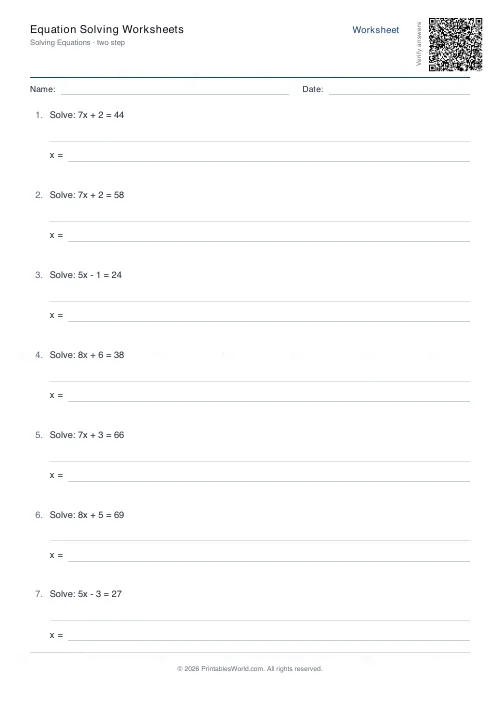
Equation Solving Worksheets
Printable one-step and two-step linear equations to solve.
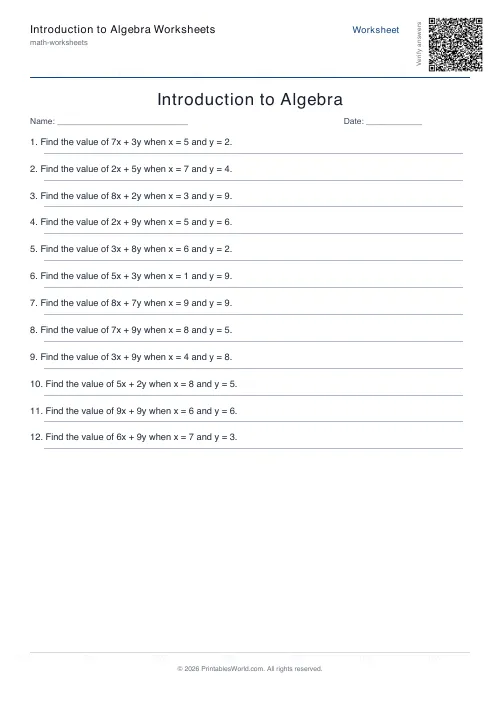
Introduction to Algebra Worksheets
Printable beginner algebra practice. Evaluate, simplify, and substitute.
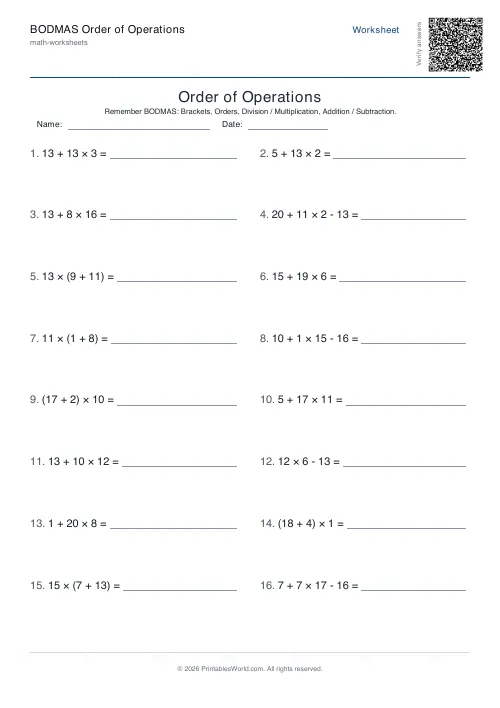
BODMAS Order of Operations Generator
Order-of-operations practice with brackets, exponents and mixed arithmetic.
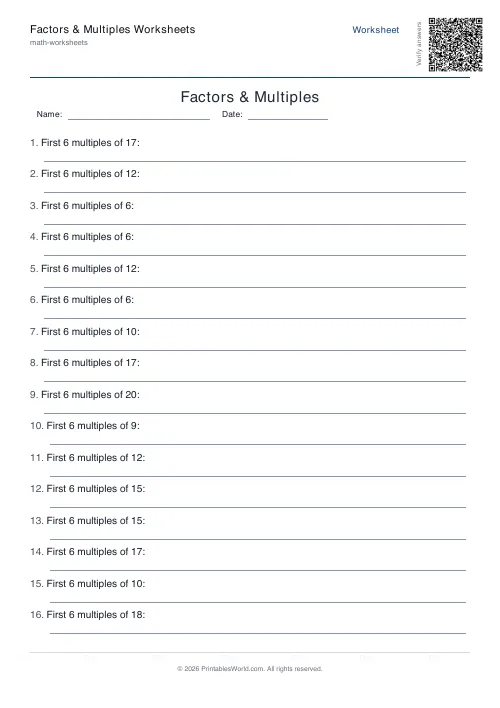
Factors & Multiples Worksheets
Generate printable worksheets for factors, multiples, HCF and LCM practice with custom ranges and answer keys.
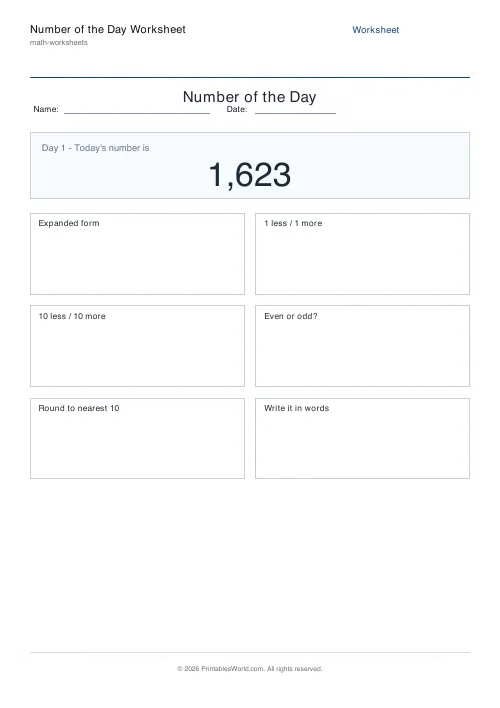
Number of the Day Worksheet
Free printable Number of the Day worksheets. One number, many ways to explore it.
Further reading
Math Worksheets
Understanding BODMAS and PEMDAS: order of operations explained
BODMAS and PEMDAS describe the same rule in different words. The trouble is that both hide two facts the acronym cannot express. Which is where nearly every mistake comes from.
5 min read
Math Worksheets
How many maths worksheets per day? A parent's guide
The honest answer is less than most parents assume. And the number of questions matters less than whether the session ends well.
5 min read
Math Worksheets
How to read and interpret bar charts with kids
Reading a bar chart is easy; interpreting one is not. Four questions turn a chart from something children decode into something they can reason about.
4 min read
More like this
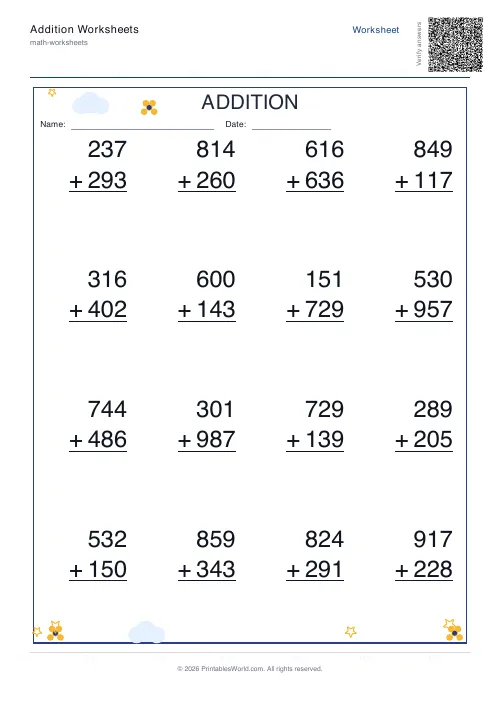 Addition Worksheets Generator
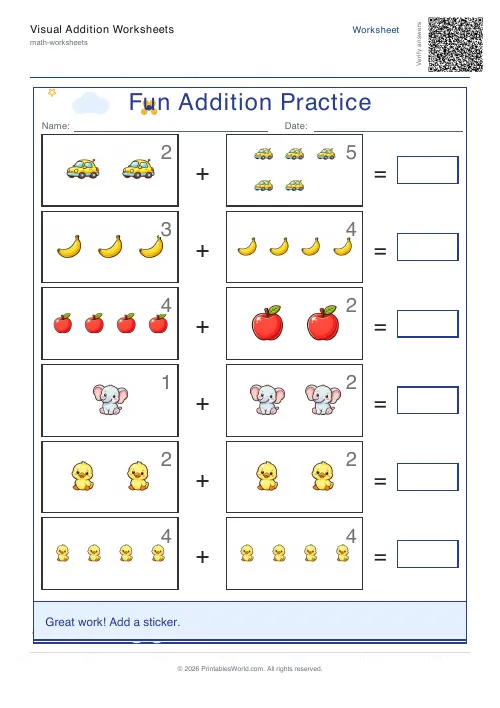 Visual Addition Worksheets Generator
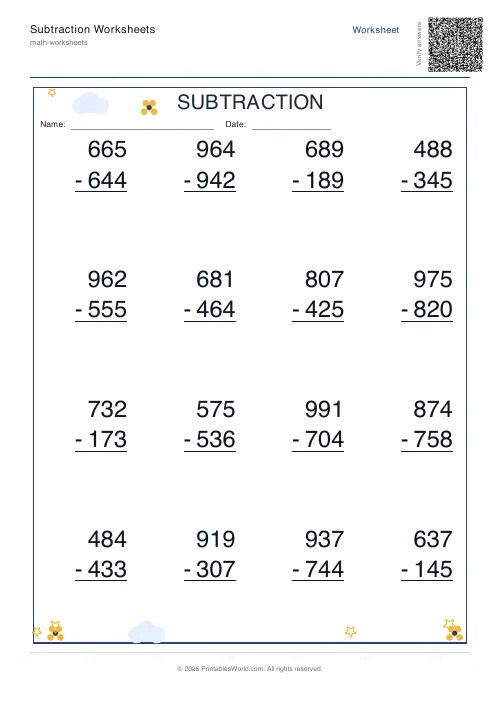 Subtraction Worksheets Generator
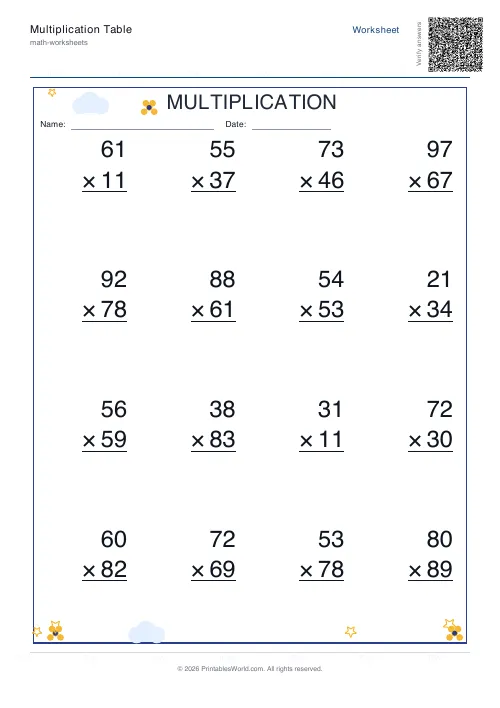 Multiplication Table Generator
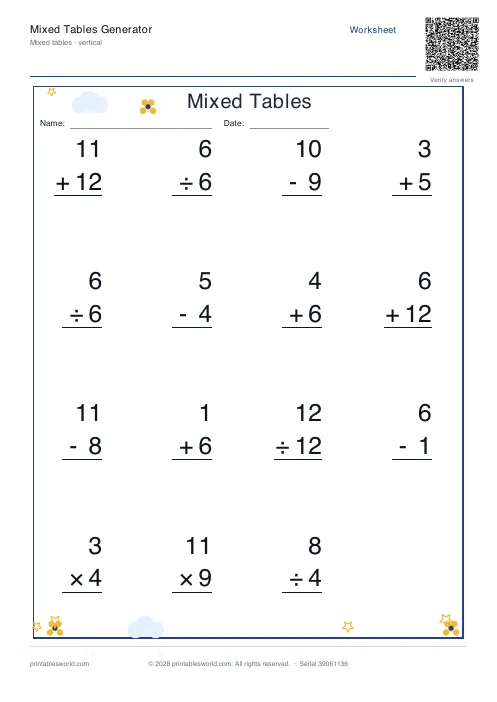 Mixed Tables Generator
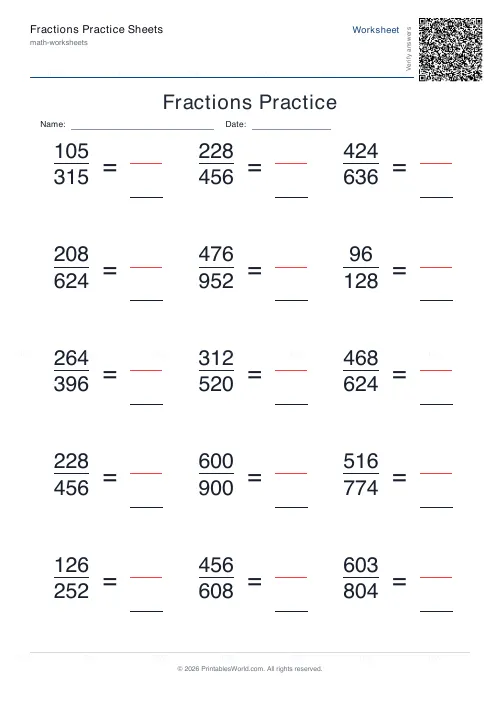 Fractions Practice Sheets Generator
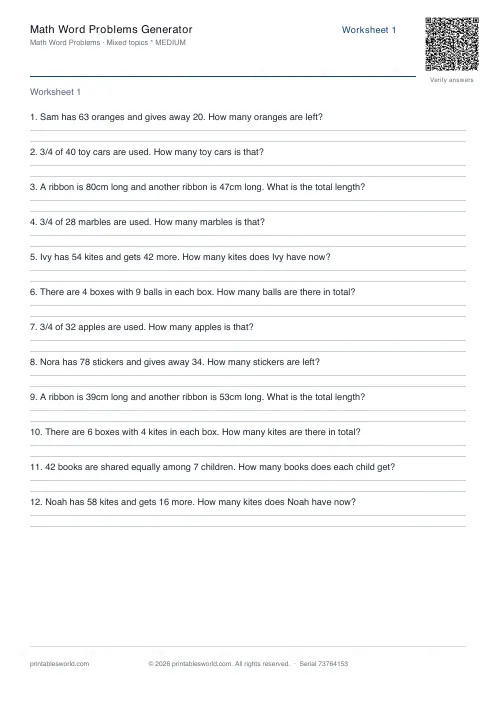 Math Word Problems Generator
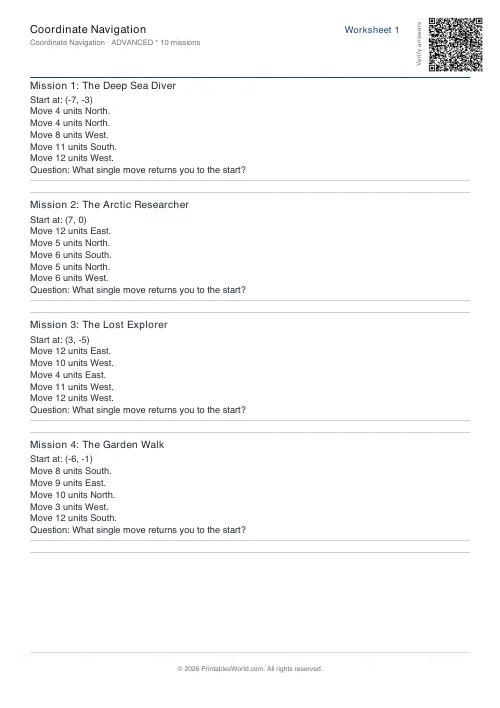 Coordinate Navigation Generator
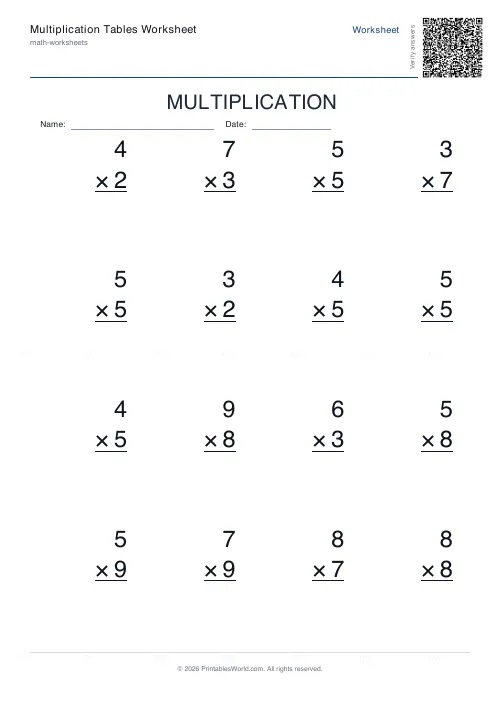 Multiplication Tables Worksheet
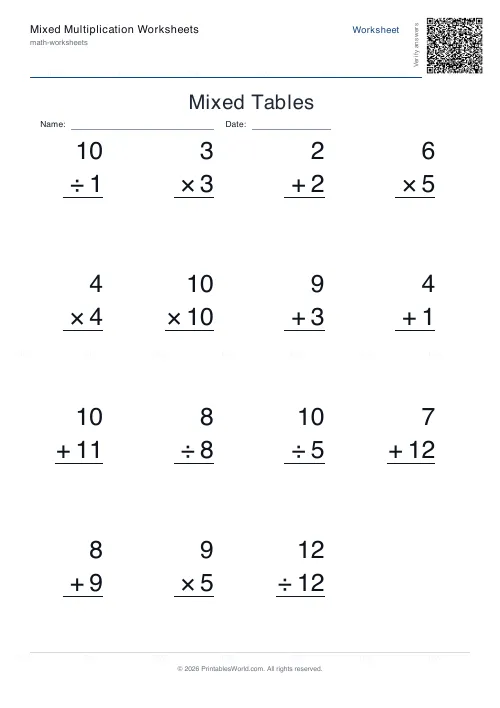 Mixed Multiplication Worksheets
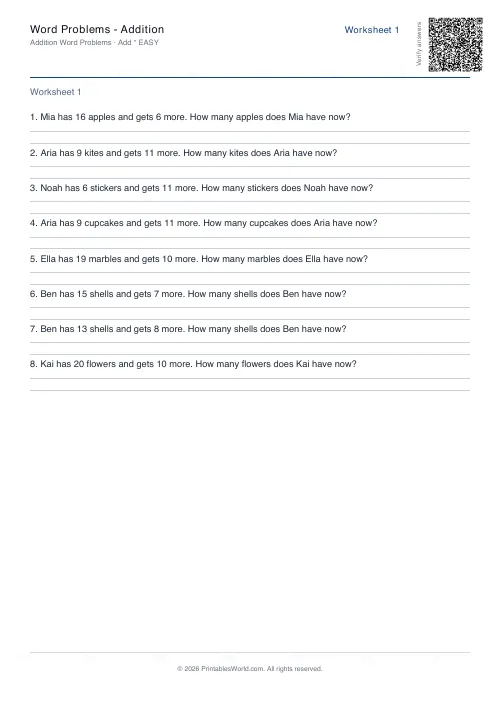 Word Problems: Addition
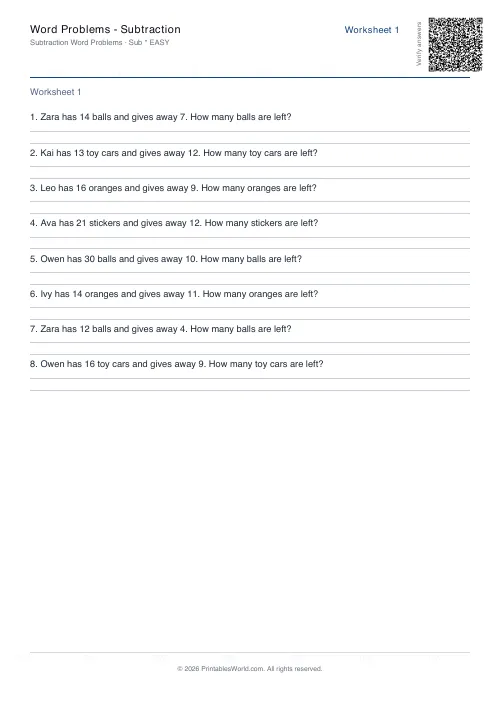 Word Problems: Subtraction
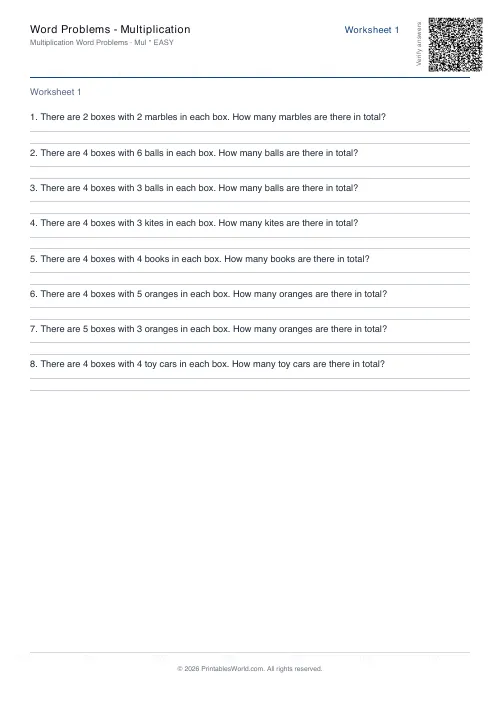 Word Problems: Multiplication
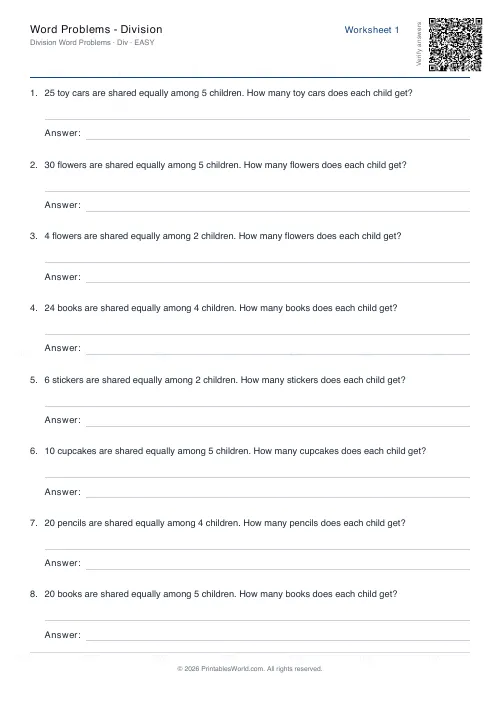 Word Problems: Division