What this tool does
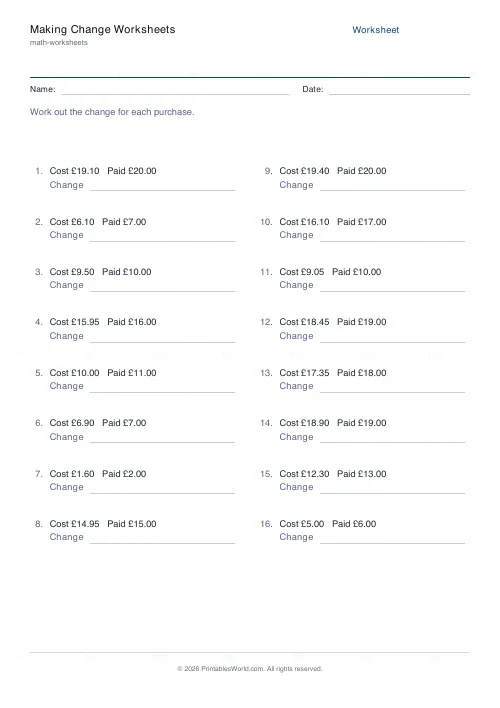
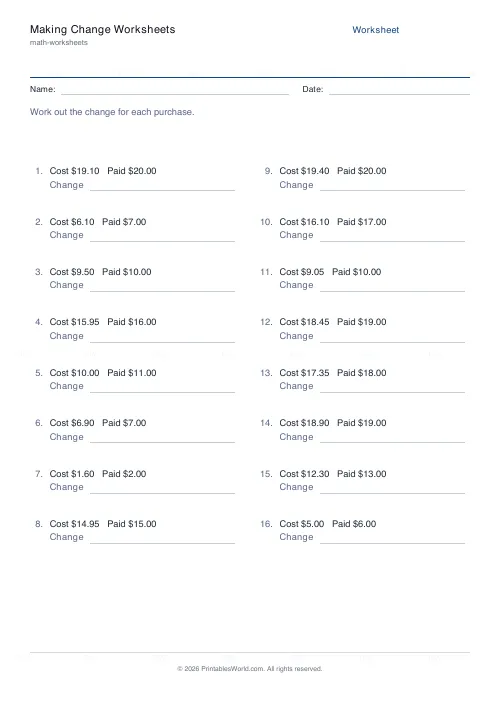
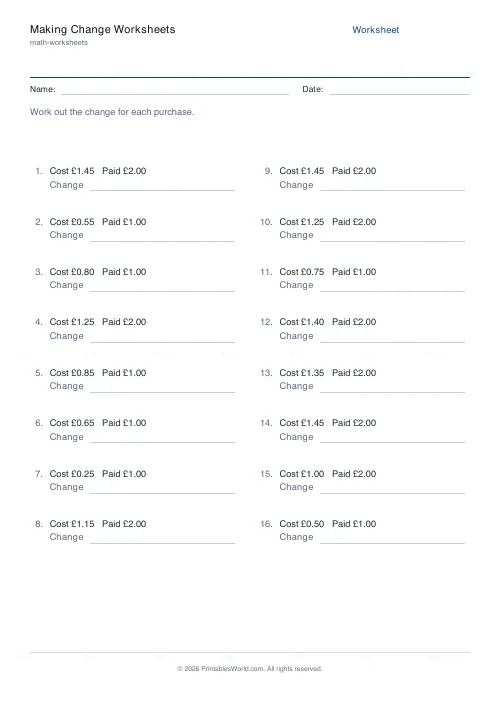
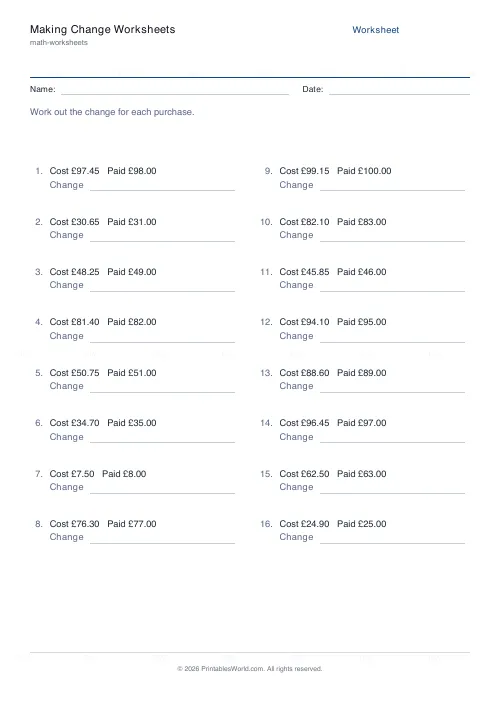
Generate printable making-change worksheets. Each problem shows an item's cost and the amount paid; students work out the change. Choose the currency and maximum amount, with an answer key.
People also used
Money Maths Worksheets
Print money maths worksheets with coin addition, making change, and word problems in £, $, or €.
Decimals Worksheets Generator
Create custom decimal arithmetic worksheets with configurable operations and decimal places.
Subtraction Worksheets Generator
Free printable subtraction worksheets in tables or line-by-line layouts.
Feedback
Spotted something off with this tool?
Practise giving change
Working out change is one of the most useful real-world maths skills. This generator builds worksheets where each problem gives the cost of an item and the amount handed over, and the student calculates the change. Amounts are realistic. Costs land on sensible 5p/5c steps and the amount paid is always a natural coin or note value larger than the cost. So the practice mirrors a real shop.
Pick pounds or dollars and the maximum amount, and an answer key is generated automatically for quick marking.
How making change works
Change is simply the amount paid minus the cost. The classic shop method is counting up: start at the price and add coins until you reach the amount paid. Both approaches give the same answer, and practising with realistic amounts builds the mental subtraction that underpins everyday money sense.
The options
- Currency: pounds (£) or dollars ($).
- Maximum amount: keep it small for early years or larger for bigger sums.
- Number of problems: short practice or a full page.
- Answer key, Name & Date: for marking and classroom use.
Putting it to work
- Choose the currency and maximum amount.
- Set how many problems you want.
- Toggle the answer key and Name/Date fields.
- Preview the live PDF, press Generate New for a fresh set, then download or print.
Teaching ideas
Start with amounts under £5 and change from a single note, then build up. Pair the worksheet with real or play coins so pupils can physically count up the change. For a challenge, ask pupils to list the fewest coins and notes that make each change amount.
Counting up beats subtracting
Shopkeepers do not subtract. Given a £5 note for a £3.65 item, nobody computes 5.00 − 3.65 in columns — they count up: 5p to £3.70, 30p to £4, then £1 to £5. Change is £1.35.
This method is easier and less error-prone for children too, because it avoids borrowing across a decimal point, which is where written subtraction of money usually goes wrong.
Teach it as a sequence of jumps to friendly numbers: up to the next 10p, then to the next whole pound, then to the amount tendered. Marking those jumps on a number line makes the method visible before it becomes mental.
Handling coins, not just totals
Knowing the change is £1.35 is only half the task. Which coins make it?
The efficient method — largest coin first — is worth teaching explicitly: £1, then 20p, 10p, 5p. Children left to themselves often produce thirteen 10p coins and a 5p, which is arithmetically correct and not how change is given.
Two extras worth practising. Ask for the fewest possible coins, which forces the largest-first strategy. And ask for a total made in more than one way, which shows there is no single right answer to "which coins" even though there is to "how much".
Real coins, or printed ones cut out, help considerably here. Handling the coins is a different skill from writing the amount.
Where children go wrong
Losing the decimal point. Treating £3.65 as 365 and subtracting from 500 gives 135, which is right — but only if the point is put back. Children who work in pence must convert back to pounds, and frequently do not.
Mixing units. Writing £1.35p, or £0.50p. It is either £1.35 or 135p, never both notations at once.
Assuming the change is smaller than the price. Paying £20 for a £3 item gives £17 change, which surprises children used to small examples.
Forgetting the 2p and 20p coins. Many children work only in 1p, 5p, 10p, 50p and £1, which makes fewest-coins questions impossible.
Making it real
Money is the topic where a role-play beats a worksheet most clearly, because the purpose is obvious and immediate.
Set up a shop with priced items and real or printed coins, and take turns being the customer and the shopkeeper. The shopkeeper role is the valuable one — it requires working out the change and choosing the coins, with someone waiting.
Add constraints as confidence grows: pay with an awkward note so the change is messy, buy two items so a total is needed first, or introduce a "no 1p coins" rule so amounts must be rounded and discussed.
Where currency differs, the method is identical — count up to friendly numbers — but the coin denominations change, so use the ones the child will actually handle.
FAQs
Quick answers
How do you calculate change?
Subtract the cost from the amount paid. For example, paying £5.00 for an item costing £3.45 gives £1.55 change. Counting up from the price to the amount paid gives the same result.
Can I switch between pounds and dollars?
Yes. Choose £ or $ and every amount on the worksheet uses that currency symbol.
Are the amounts realistic?
Yes. Costs fall on 5p/5c steps and the amount paid is always a sensible coin or note value just above the cost, so the change always works out to a real money amount.
Is there an answer key?
Yes. Toggle the answer key and the PDF adds a page with the correct change for every problem.
Related tools
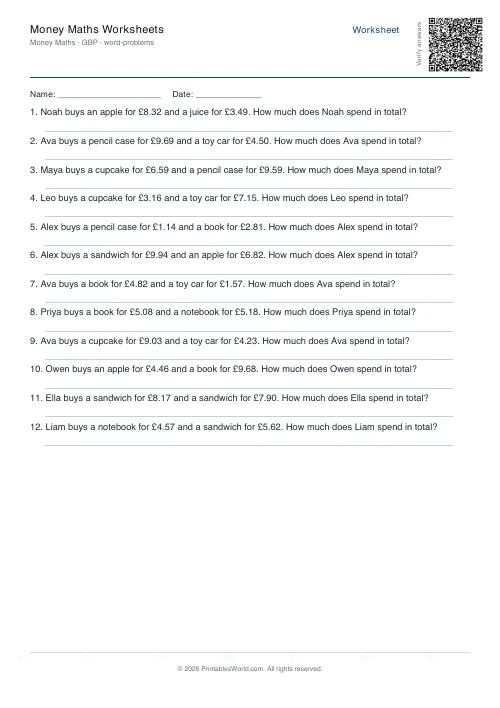
Money Maths Worksheets
Print money maths worksheets with coin addition, making change, and word problems in £, $, or €.
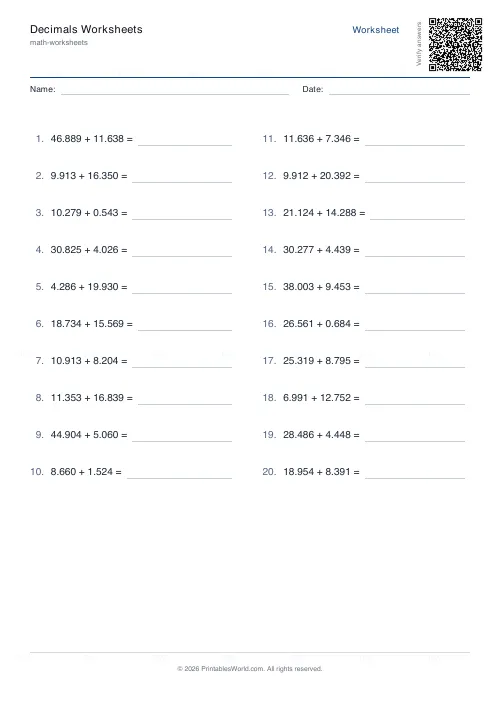
Decimals Worksheets Generator
Create custom decimal arithmetic worksheets with configurable operations and decimal places.
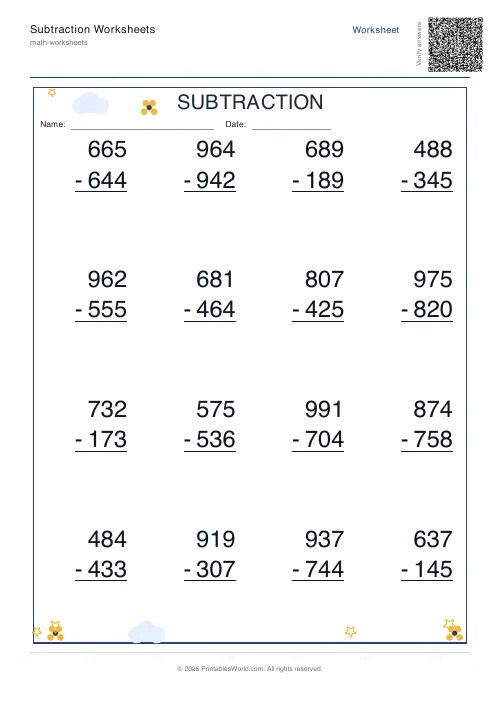
Subtraction Worksheets Generator
Free printable subtraction worksheets in tables or line-by-line layouts.
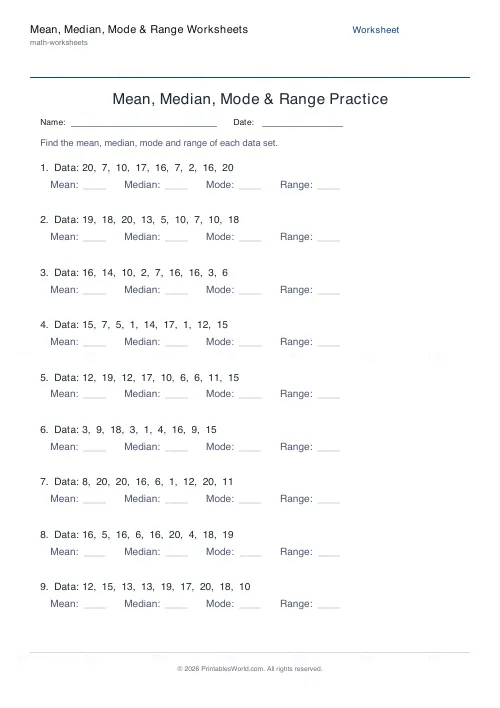
Mean: Median, Mode & Range Worksheets
Calculate averages from data sets on printable sheets.
Further reading
Math Worksheets
Making maths fun: 15 ways to practise without tears
Maths tears are usually about difficulty, length or fear of being wrong, not about maths. Fifteen practical changes, grouped by which of those three problems they actually solve.
6 min read
Math Worksheets
Understanding BODMAS and PEMDAS: order of operations explained
BODMAS and PEMDAS describe the same rule in different words. The trouble is that both hide two facts the acronym cannot express. Which is where nearly every mistake comes from.
5 min read
Math Worksheets
Fractions made simple: teaching fractions at home
Fractions go wrong when the rules arrive before the meaning. Here is the order that works, the four misconceptions to head off early, and how to use everyday objects before any worksheet.
6 min read
More like this
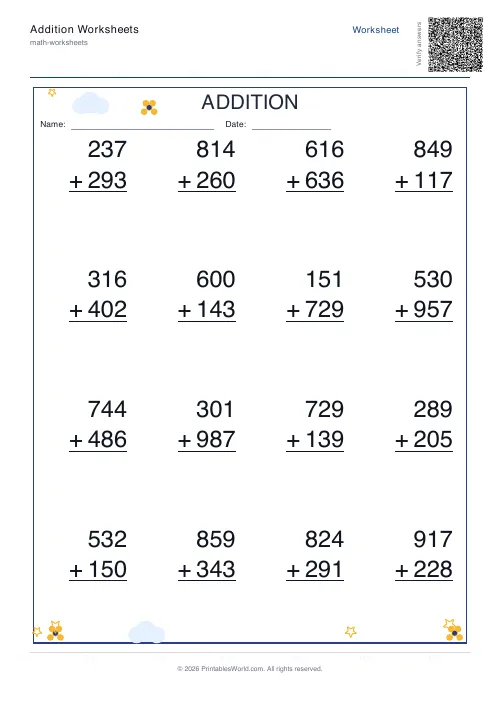 Addition Worksheets Generator
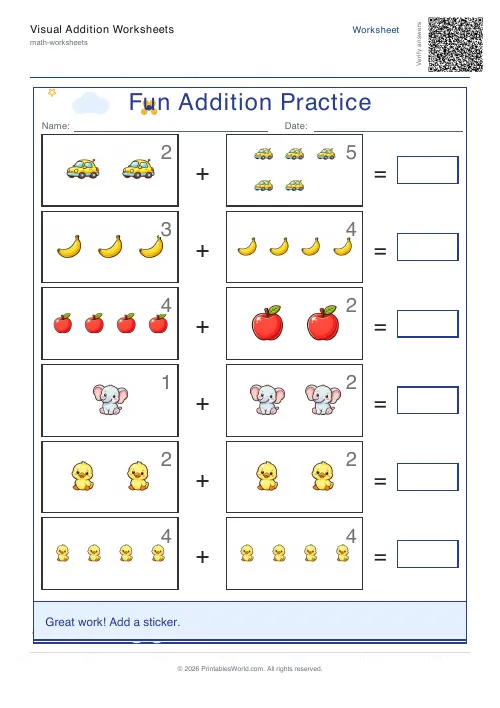 Visual Addition Worksheets Generator
- Subtraction Worksheets Generator
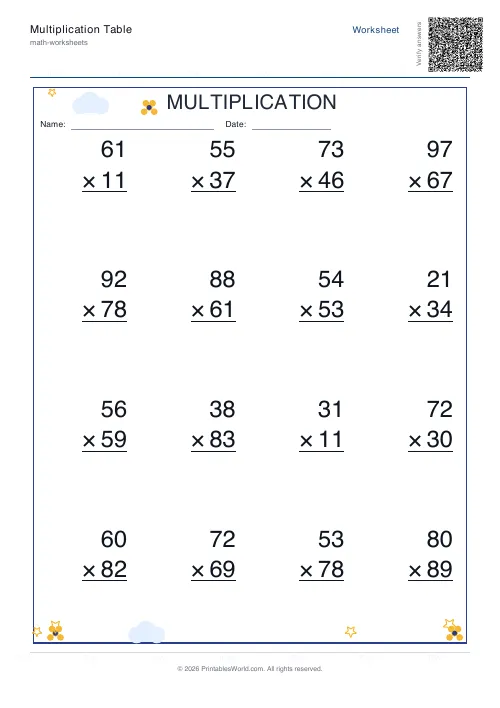 Multiplication Table Generator
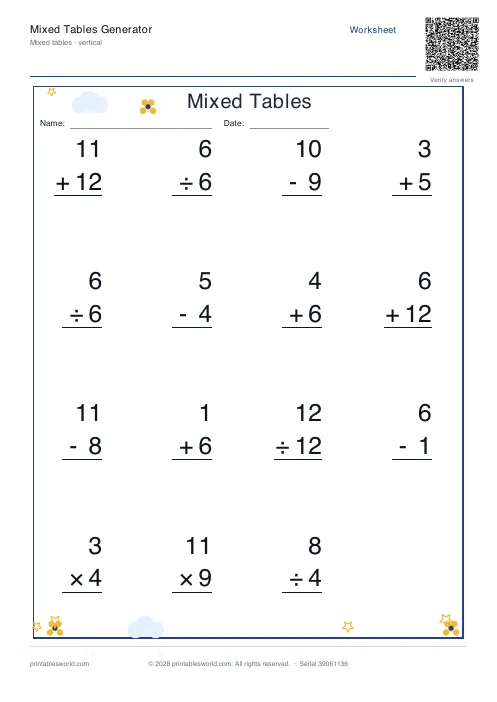 Mixed Tables Generator
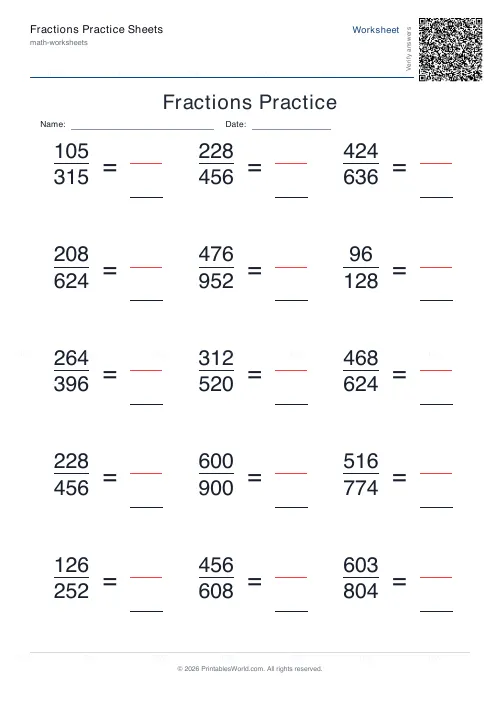 Fractions Practice Sheets Generator
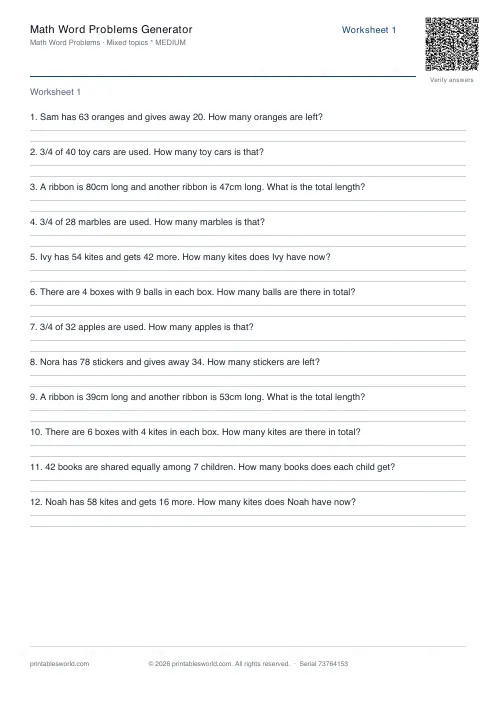 Math Word Problems Generator
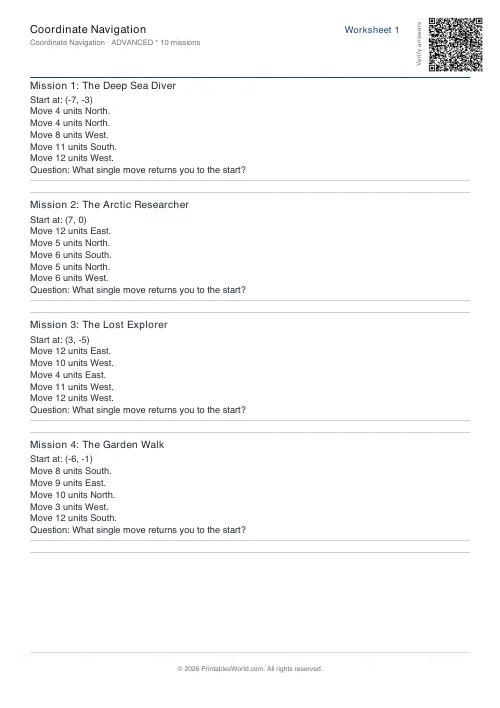 Coordinate Navigation Generator
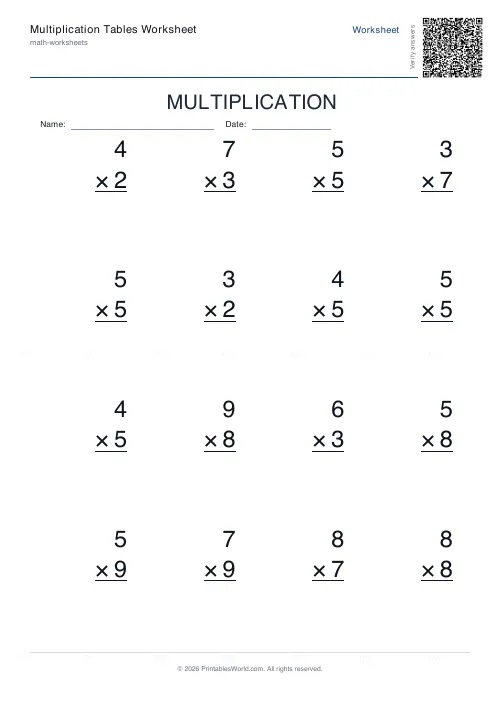 Multiplication Tables Worksheet
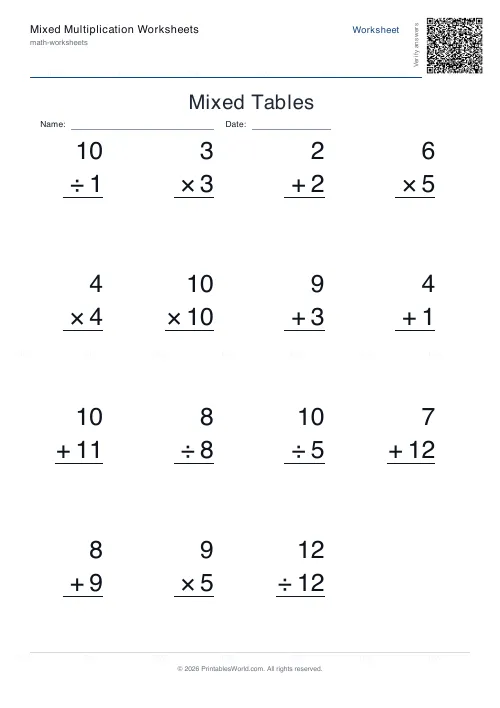 Mixed Multiplication Worksheets
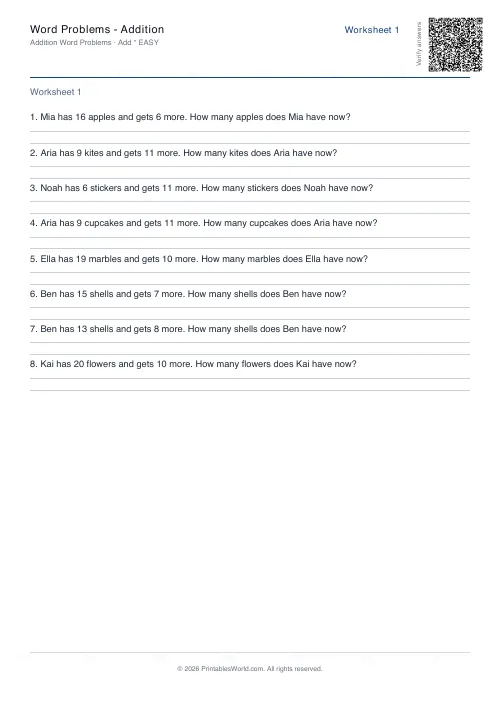 Word Problems: Addition
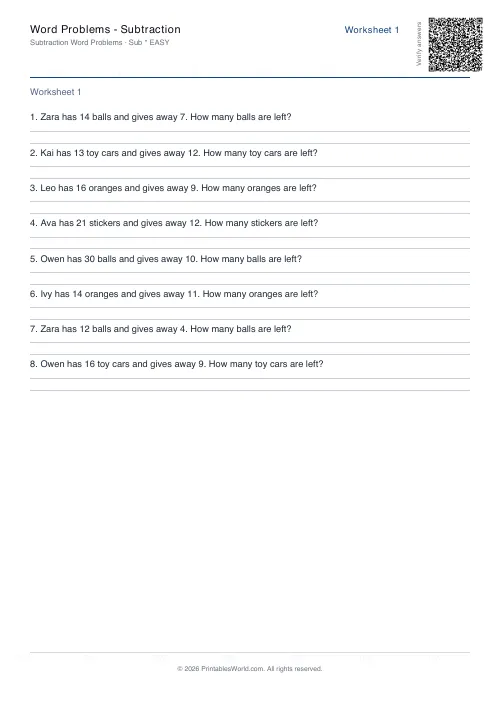 Word Problems: Subtraction
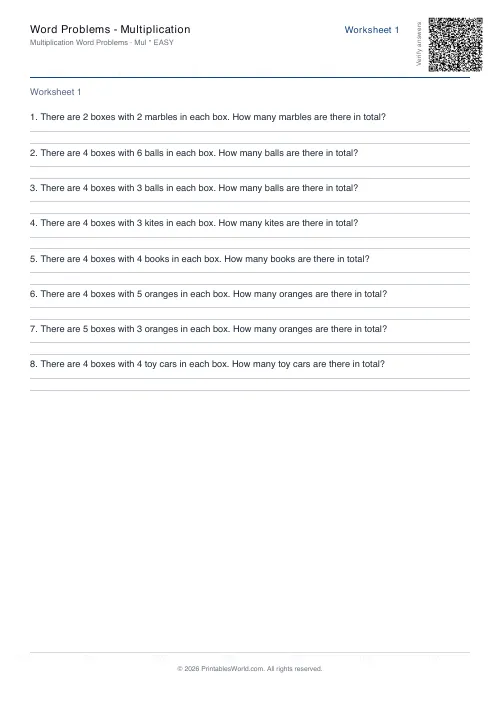 Word Problems: Multiplication
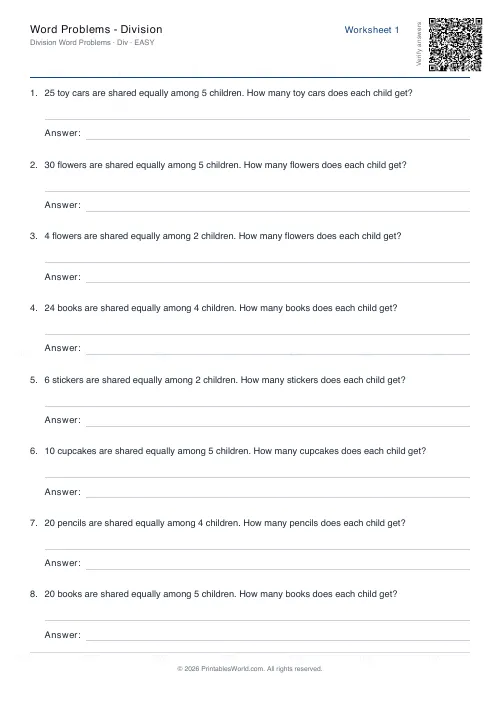 Word Problems: Division