Math Worksheets
Making maths fun: 15 ways to practise without tears
By Jobi · Creator & Maintainer, PrintablesWorld · Updated 2026-06-23 · 6 min read
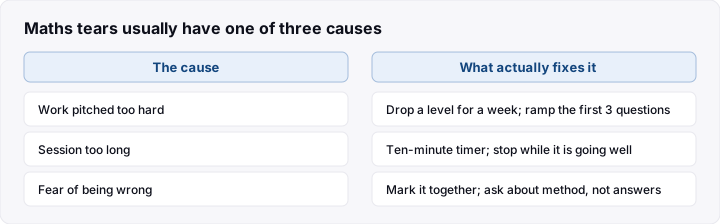
When maths practice ends in tears, it is rarely the maths. It is usually one of three things: the work is pitched too hard, the session is too long, or the child is afraid of getting it wrong in front of you. Each has a different fix, and "make it fun" on its own is not one of them.
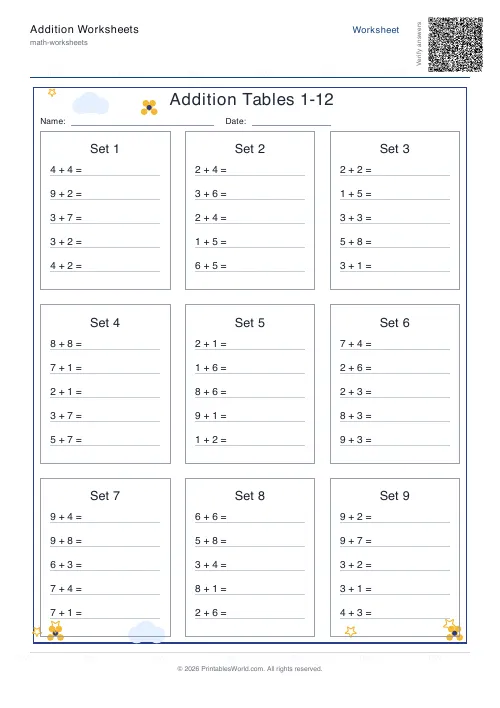
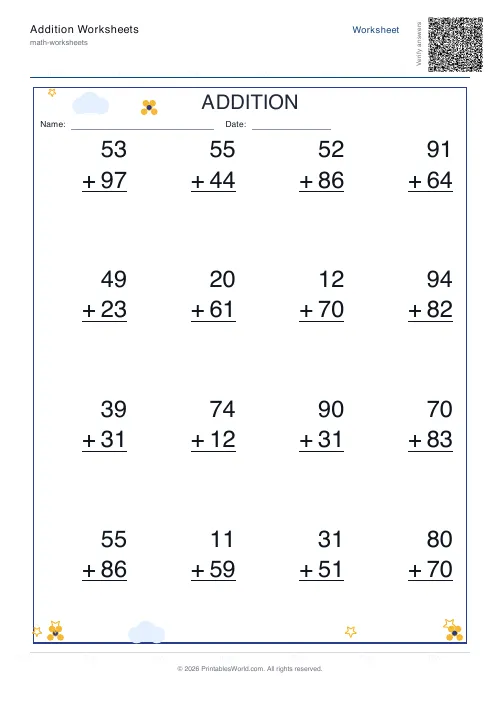
The fifteen ideas below are grouped by which problem they solve. A free printable addition worksheet generator and the other tools mentioned will make the sheets, but the changes that matter most here cost nothing at all.
When the work is pitched too hard
A child who cannot do most of the questions is not going to enjoy any of them, however colourful the sheet.
1. Drop a level and stay there for a week. Success is what rebuilds willingness. A week of comfortable work is not lost time.
2. Make the first three questions easy on purpose. Starting on something they can definitely do changes how the whole sheet feels. Most generators let you set the range, so build the ramp deliberately.
3. Cut the number of questions, not the difficulty. Ten questions at the right level beats thirty at the wrong one, and it finishes.
4. Separate the two hard things. Word problems ask a child to read and calculate. If either is shaky, do them separately for a while — the word problems generator is far more useful once the arithmetic is secure.
When the session is too long
5. Set a timer for ten minutes and stop when it goes. Even mid-question. Knowing there is a definite end removes most of the resistance, and children who are enjoying it will ask for more.
6. Practise little and often. Ten minutes on five days beats fifty minutes on Sunday, for the same reason as any other skill.
7. Stop while it is still going well. Ending on success is what a child remembers next time. Pushing for three more questions is where the tears usually arrive.
8. Split a long sheet across days. Fold it in half, do the top today. Nothing says a worksheet is one sitting.
When it is fear of being wrong
9. Mark it together, immediately. A sheet taken away to be marked is a test. A sheet checked side by side is practice.
10. Be interested in the method, not the answer. "How did you work that out?" applied to right answers as well as wrong ones stops the question feeling like an accusation.
11. Make mistakes normal by making some yourself. Get one wrong deliberately and correct it out loud. Children who never see an adult make a maths error conclude that competent people do not.
12. Drop the stopwatch unless they like it. Timed drills build fluency for some children and pure anxiety for others. If it produces tears, it is not the right tool for that child right now.
Games that are genuinely maths
The test of a good maths game is whether the maths is the game, rather than a toll you pay to take a turn.
13. Dice and cards. Two dice and "first to say the total" is number-bond practice. A deck with picture cards removed plays snap-style multiplication. Both are free and take no preparation.
14. Target number. Roll four dice and use any operations to reach a target. It is genuinely hard, works across a wide age range, and adults do not automatically win.
15. Maths bingo. Calls are questions rather than numbers — "seven times six" and players cover 42. A bingo card generator makes a class set in a couple of minutes, and it works just as well with three people at a kitchen table.
Puzzles count too. A maze whose path is chosen by solving sums, or a number puzzle like number pyramids, gets far more arithmetic done than a worksheet of the same length because the child is trying to finish the puzzle rather than the practice.
Everyday maths that never feels like practice
These are not activities you schedule; they are questions you ask while doing something else.
- Cooking — doubling a recipe is fractions and multiplication with a real reason to be right.
- Shopping — which is better value, and how much change should we get?
- Car journeys — how far, how long, so what speed? Number plates make good mental arithmetic fodder.
- Sport — scores, averages, league positions. A child who cannot face a worksheet will happily calculate a run rate.
- Pocket money — saving for something specific is percentages, subtraction and planning, all with genuine motivation attached.
The advantage is that nobody is being tested. The disadvantage is that it is unsystematic, which is why it complements written practice rather than replacing it.
What not to do
Do not use maths as a punishment. "Extra sums because you were rude" teaches exactly what you would expect.
Do not say you were bad at maths. It is meant kindly and lands as permission to give up. Attitudes about maths transmit easily between adults and children.
Do not reward only correct answers. Rewarding effort and method keeps a child trying when the work gets harder; rewarding correctness alone encourages them to avoid anything difficult.
Do not fill the whole holiday with worksheets. A little maths across the break preserves fluency. Hours of it builds resentment that outlasts the holiday.
Frequently asked questions
How much maths practice should a child do at home?
For most primary-age children, ten to fifteen minutes on most days is plenty alongside school. Consistency matters more than volume, and a short session that finishes well beats a long one that ends badly.
My child says they hate maths. Where do I start?
Start below their level for a week or two and rebuild the sense that they can do it. Then work out which of the three problems above is actually operating — usually it is difficulty or fear rather than the subject itself.
Are maths games as good as worksheets?
They do different jobs. Games build fluency and willingness; written practice covers ground systematically and shows you exactly what is missing. Most children do best with both.
Should I help or let them struggle?
Some struggle is where the learning happens, but a child stuck and getting upset is not learning. A useful middle path is to ask a question rather than give an answer — "what could you try first?" — and step in properly if that does not move things along.
Before you print
Pitch the work slightly easier than you think, cap the session at ten minutes, and mark it together. Those three changes solve more maths tears than any amount of decoration on the page. When you do want a sheet, the addition and word problems generators let you set the range and the number of questions, so you can build the gentle ramp deliberately.
Related tools
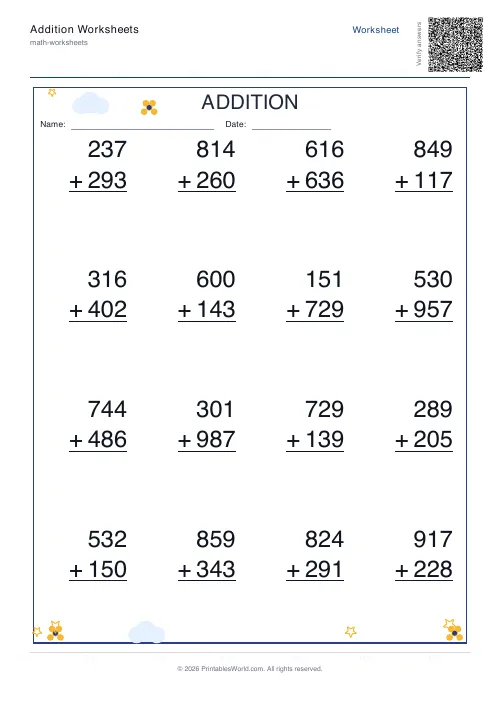
Addition Worksheets Generator
Free printable addition worksheets in tables or line-by-line layouts.
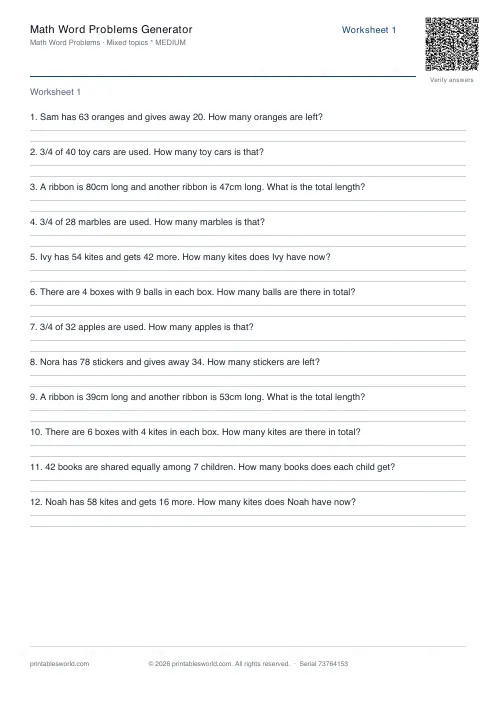
Math Word Problems Generator
Generate printable math word problem worksheets with customisable topics, difficulty, and answer keys.
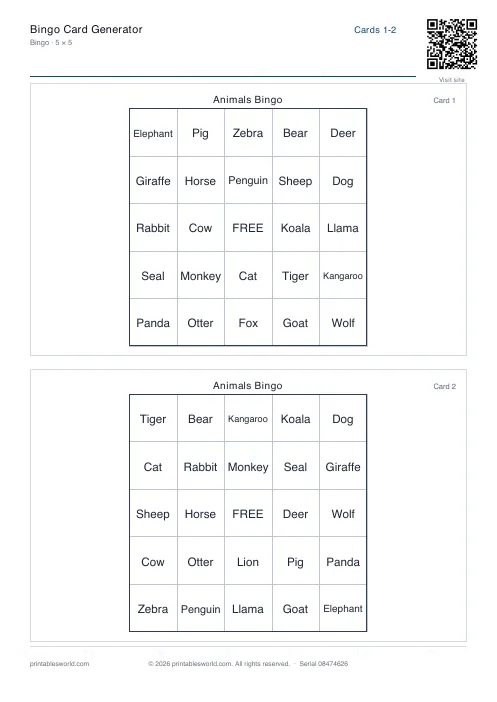
Bingo Card Generator
Generate unique printable bingo cards with custom words, FREE centre toggle, call sheet, and seeded shuffles.
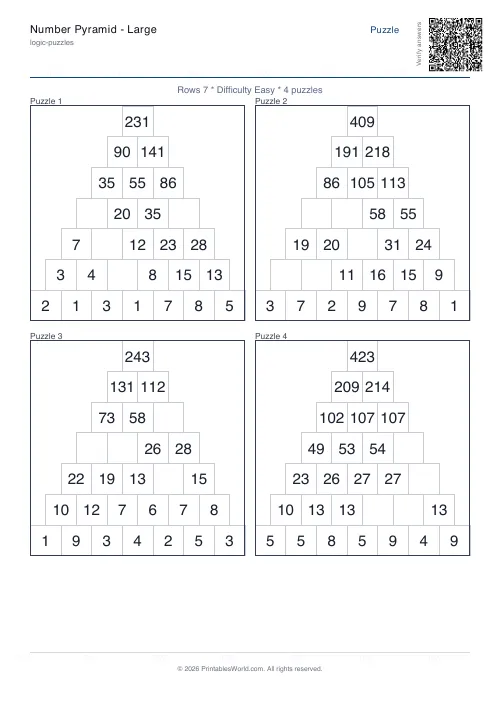
Number Pyramid Generator
Create printable addition pyramid puzzles with adjustable rows, difficulty, and optional answer keys.
Continue reading
Math & Numeracy
How to help a child who's stuck on times tables
A simple two week plan to help child with times tables, using short daily practice and free printable multiplication grids you can customise and print.
7 min read
Math Worksheets
Fractions made simple: teaching fractions at home
Fractions go wrong when the rules arrive before the meaning. Here is the order that works, the four misconceptions to head off early, and how to use everyday objects before any worksheet.
6 min read