What this tool does
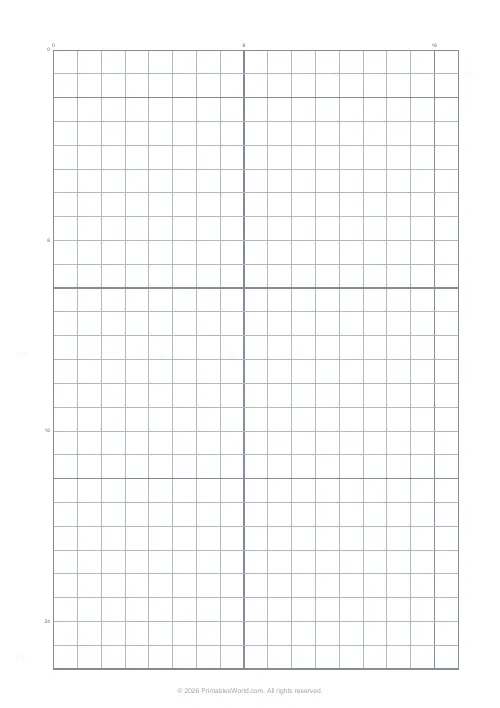
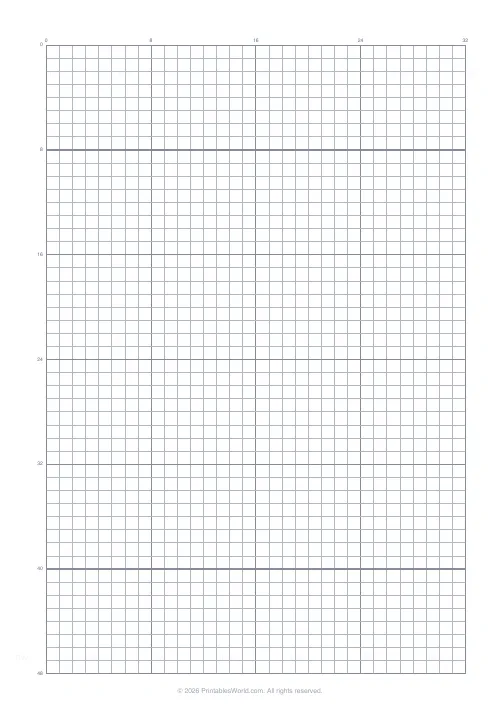
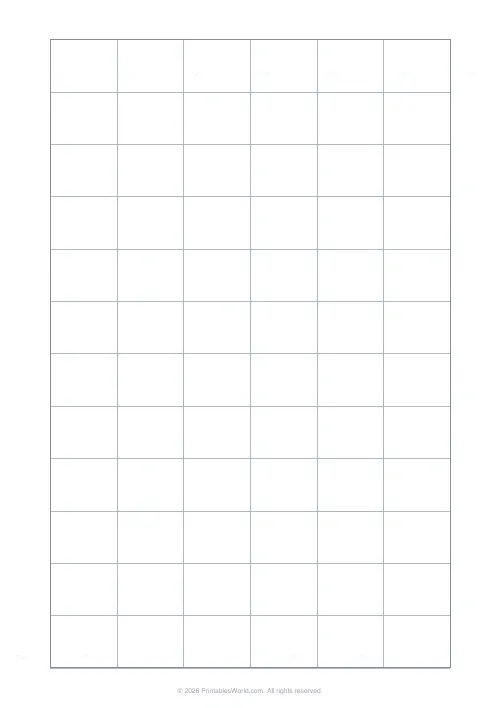
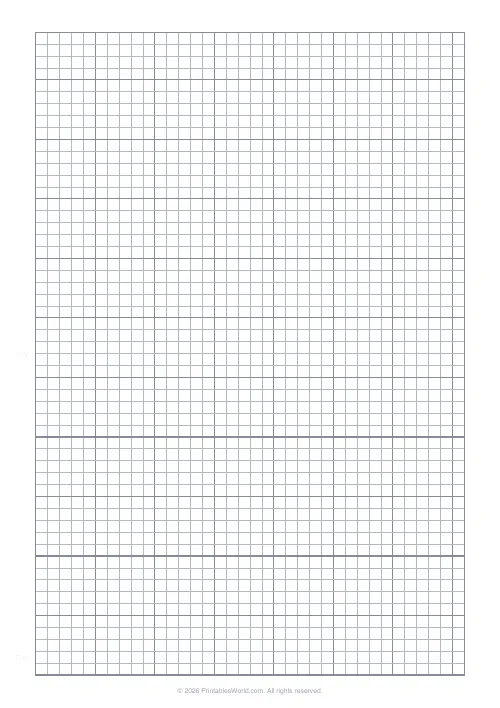
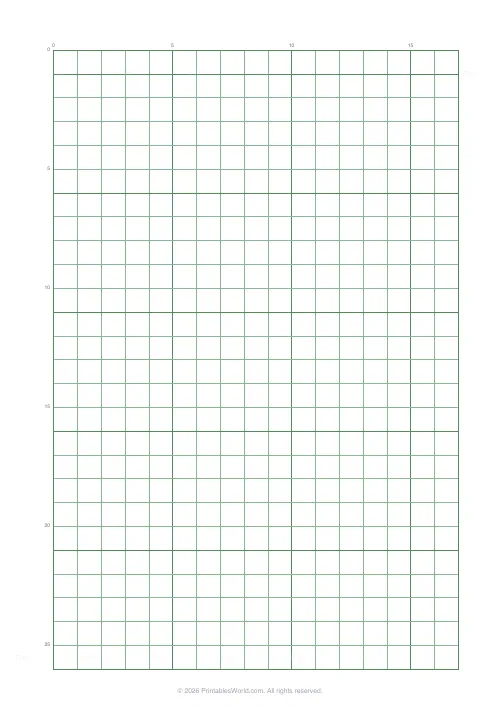
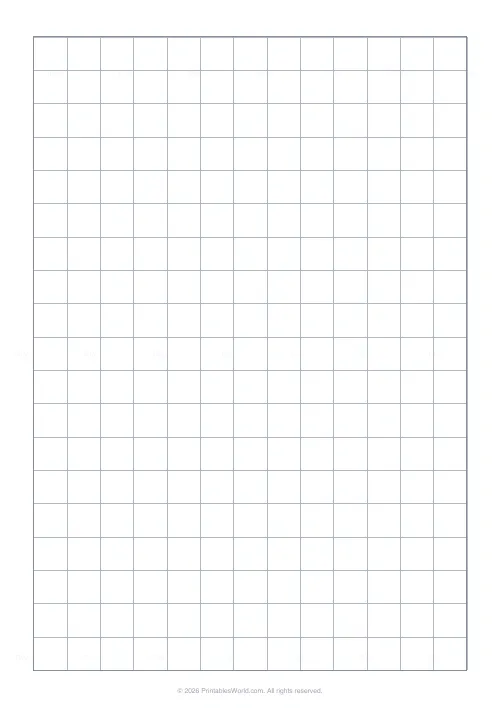
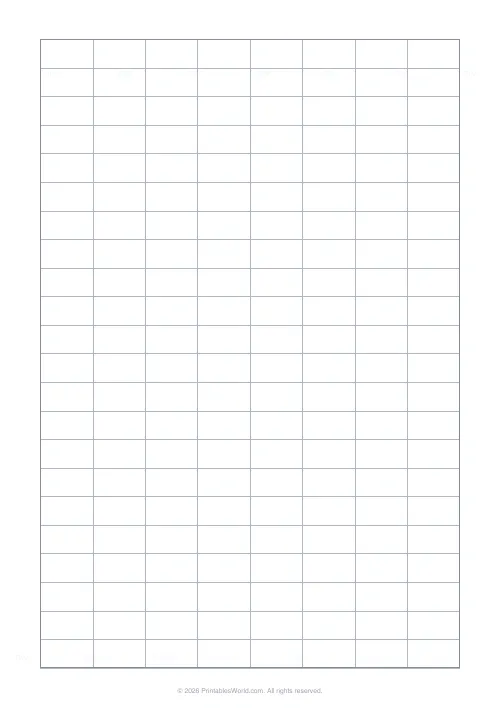
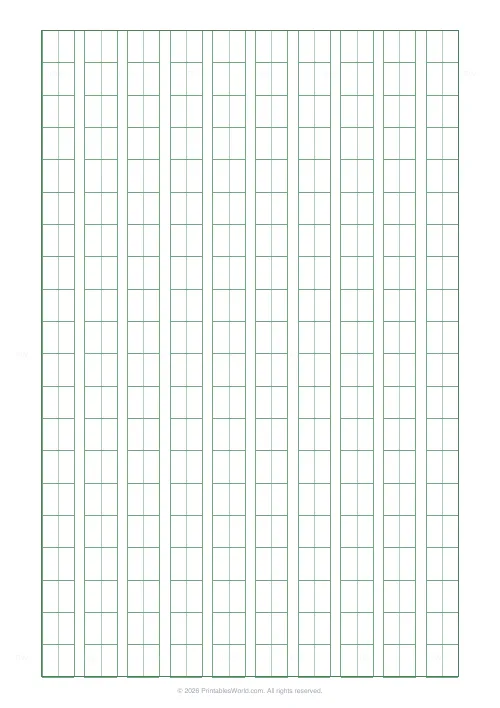
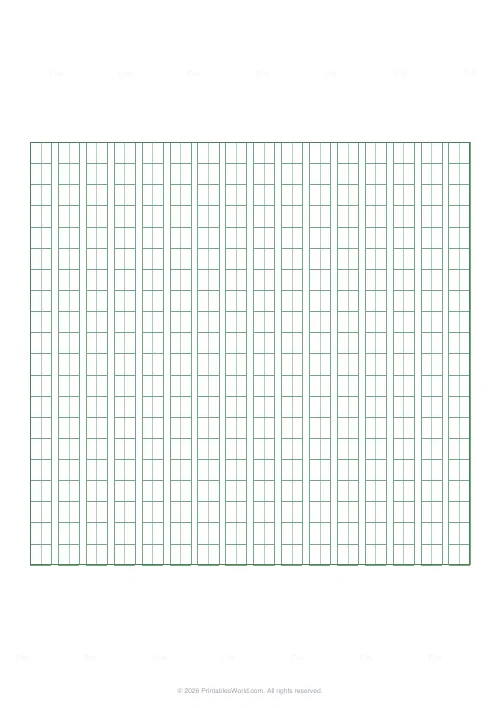
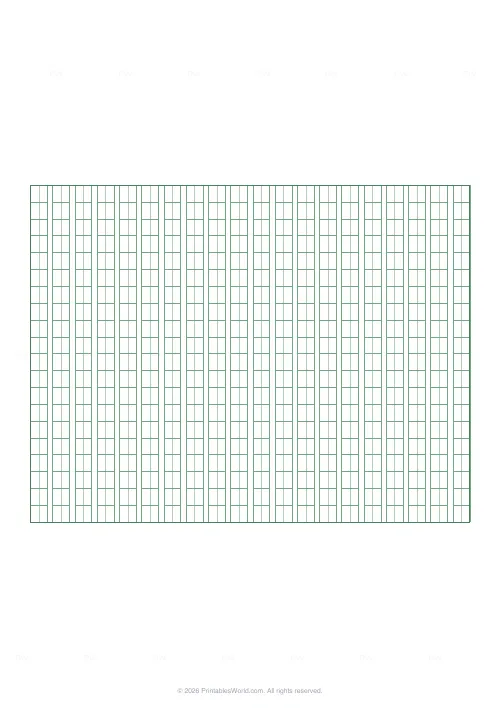
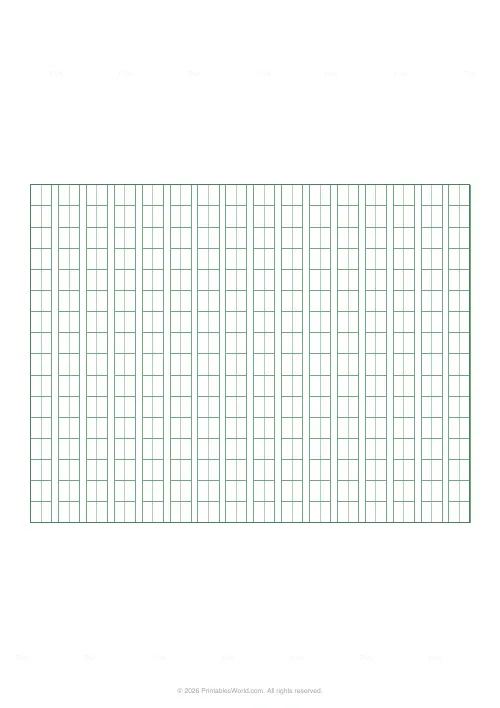
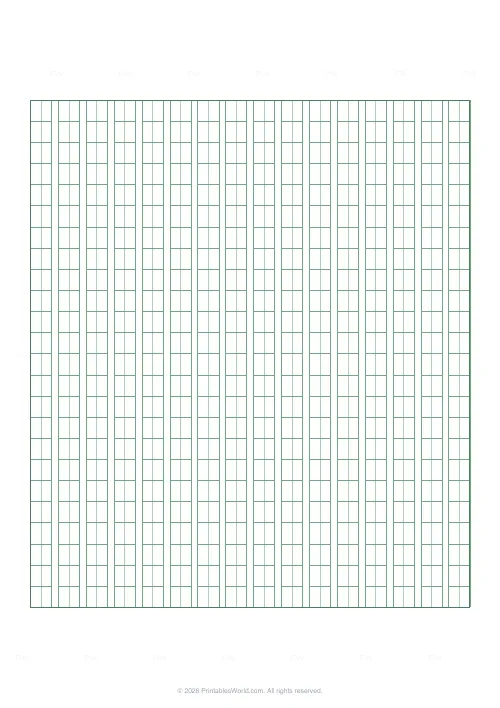
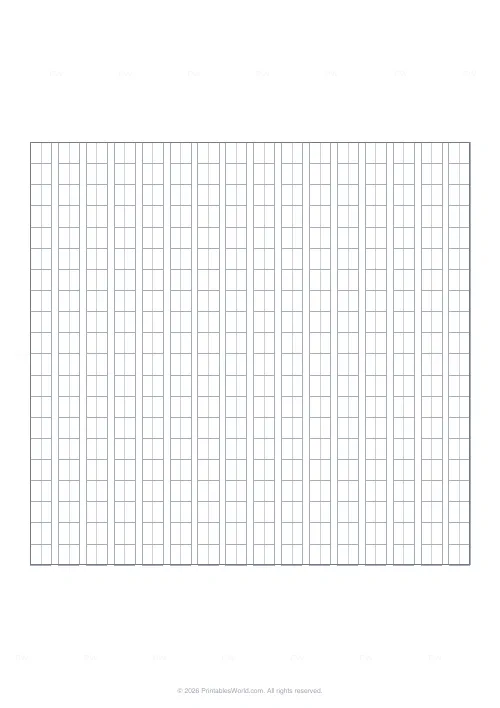
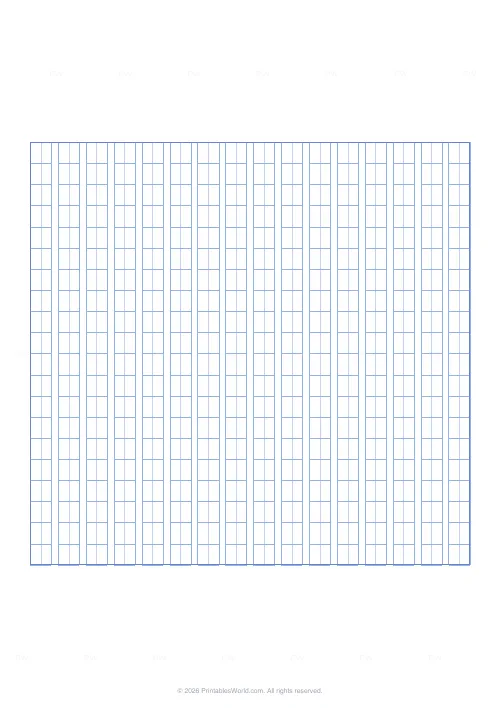
Printable genko yoshi, the squared Japanese manuscript paper where one character sits in each square and columns are read right to left. Set the columns and rows to whatever your practice needs, from 2 up to 40 columns and 50 rows. Ruling in green, in grey, or in blue, with an optional heavier outer frame, on a sheet that fills the page.
People also used
Handwriting Practice Generator
Create custom 4-line handwriting practice sheets with trace rows, adjustable guides, and your own text.
Graph Paper Generator
Create custom graph paper PDFs with square or rectangular grids, dot styles, and axis numbering.
Lined Paper Generator
Generate custom ruled paper PDFs with adjustable line spacing, colours, margins, and primary ruling styles.
Feedback
Spotted something off with this tool?
One character, one square
Genko yoshi (原稿用紙) is the squared manuscript paper Japanese writing has used for generations. Every glyph sits inside its own square. Kana, kanji, no exceptions, and that is what keeps the spacing even and the columns dead straight down the page.
Text runs from the top of a column to the bottom, and the columns are read right to left across the page. The grid enforces a consistent character size, which is precisely why it became the standard for handwriting practice and for school compositions where an editor counts by the square.
Each square here carries a fine central guide line to help balance a tall character or to give furigana somewhere to sit.
Writing on it
Start at the top square of the right-most column and work down. Column full? Move one to the left.
Small kana take their own square, which surprises learners: the っ in がっこう occupies a full cell of its own rather than sharing. So does every punctuation mark, and a full stop or a comma sits in the lower part of its square rather than the middle. Those conventions are the reason character counts on genko yoshi are exact and why publishers ever used it as a unit.
Columns and rows, and the traditional sheet
Columns run from 2 to 40. Rows from 2 to 50. Sixteen by twenty unless you change them.
The classic pad is 20 by 20. Four hundred squares, and four hundred characters is the unit Japanese manuscripts have been measured in for a century. If that is what you want, set both to 20 and you have the real thing. The default is slightly roomier because larger squares suit somebody still learning stroke order more than authenticity does.
Squares stay square whatever you ask for: the sheet fits the largest cell that satisfies both counts inside the printable area, rather than stretching cells to fill the page.
Ruling colour
Green is the classic printed tint, and it is the default. Grey photocopies and scans most cleanly, which matters a great deal if you are producing a worksheet that will be duplicated forty times and then scanned back in. Blue is the third option and mostly a matter of taste.
The outer frame draws a heavier border round the whole block, the way a traditional pad does. It looks right. It also gives a guillotine something to follow.
Who prints it
Learners drilling stroke order and character balance, where the square is the only thing enforcing a consistent size. Teachers building handwriting worksheets. Writers drafting in the manuscript format because an editor asked for a character count rather than a word count.
Beginners want fewer columns and bigger squares. Confident writers want a dense exam-style sheet. Either way, print at full scale so the squares keep their proportions, and choose A4 for the authentic size, because genko yoshi has always been an A4-shaped thing and a Letter sheet is subtly the wrong proportion for it.
FAQs
Quick answers
What is genko yoshi paper used for?
It is the standard Japanese manuscript paper for handwriting kana and kanji one character per square. It is used for handwriting practice, school compositions, and manuscript drafts where each square holds a single character.
Which way do you write on it?
Write from the top of a column to the bottom, placing one character in each square, then move to the next column on the left. The columns are read from right to left across the page.
How many columns and rows should I choose?
Beginners often pick fewer columns with larger squares for clear practice, while a denser exam-style sheet uses more columns and rows. The tool keeps every square perfectly square whatever counts you set.
What size should I print it?
Print at 100% scale on A4 for the most authentic genko yoshi size. Avoid "fit to page", which would distort the squares.
Related tools
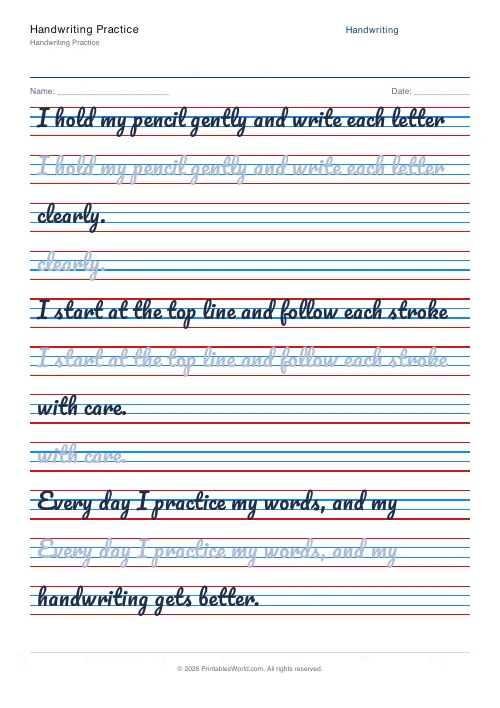
Handwriting Practice Generator
Create custom 4-line handwriting practice sheets with trace rows, adjustable guides, and your own text.
Graph Paper Generator
Create custom graph paper PDFs with square or rectangular grids, dot styles, and axis numbering.
Lined Paper Generator
Generate custom ruled paper PDFs with adjustable line spacing, colours, margins, and primary ruling styles.
Further reading