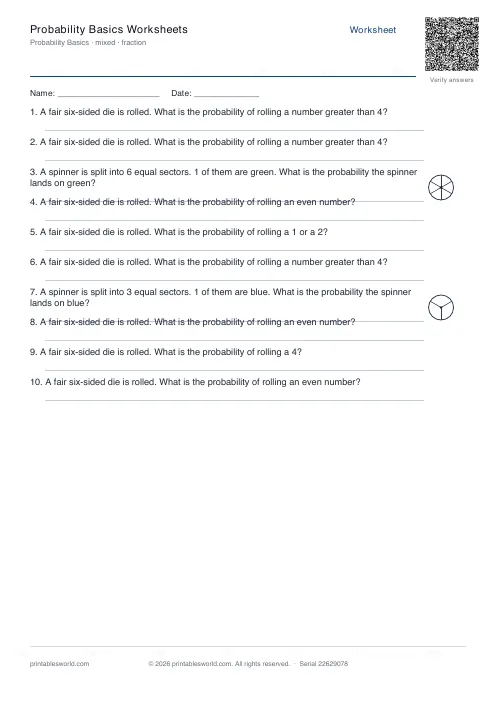
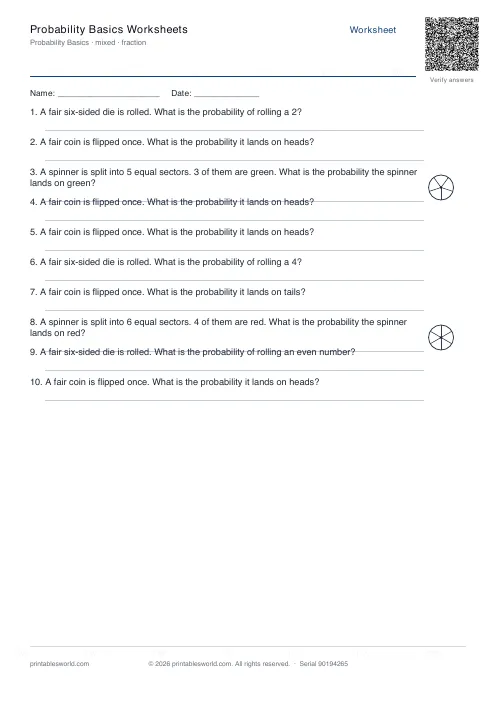
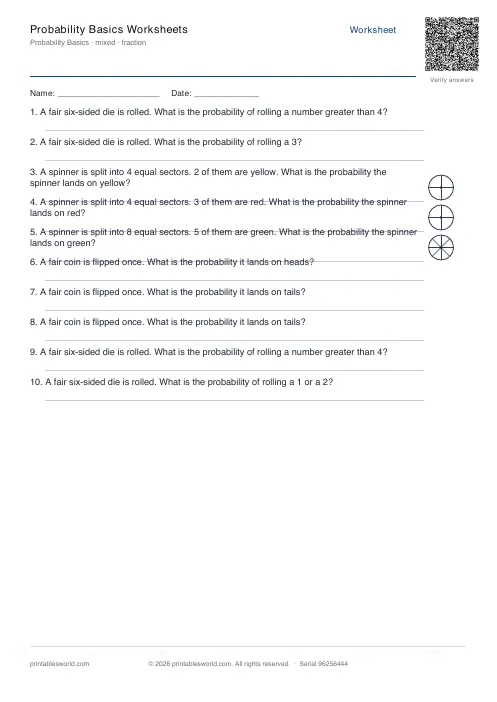
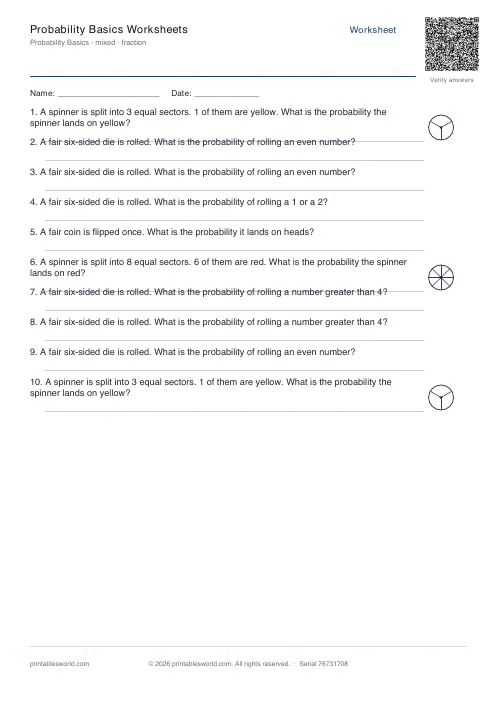
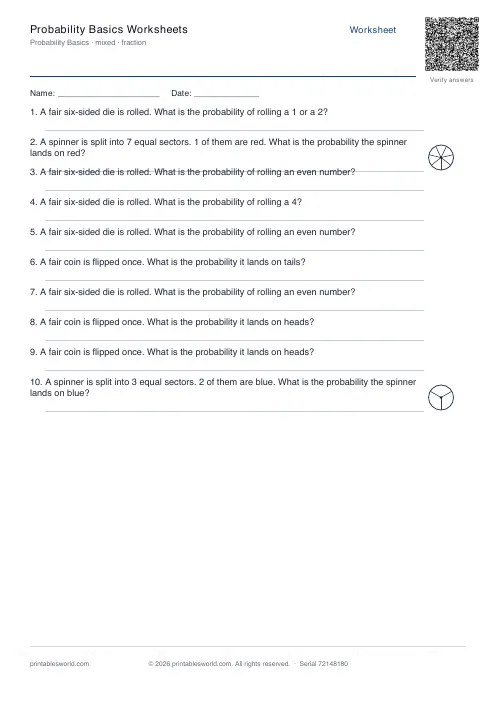
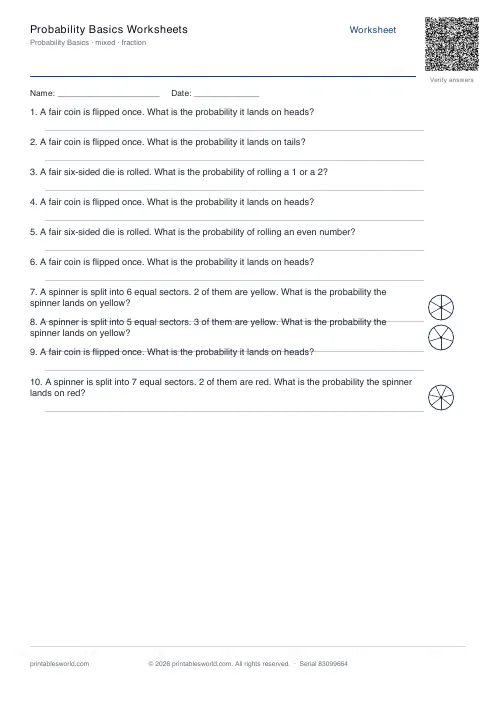
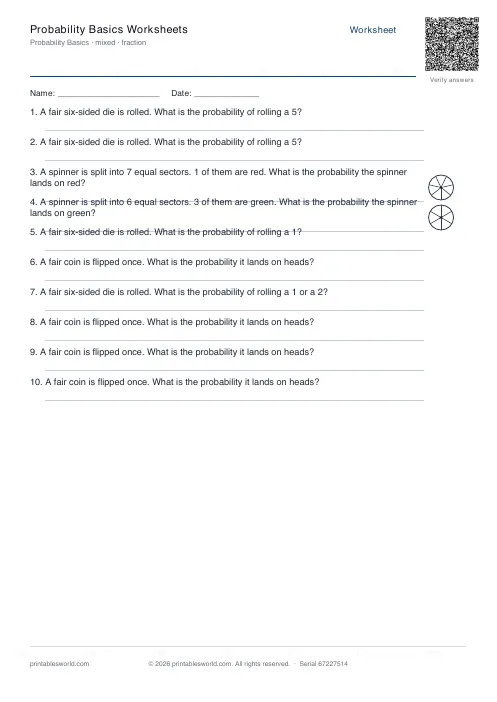
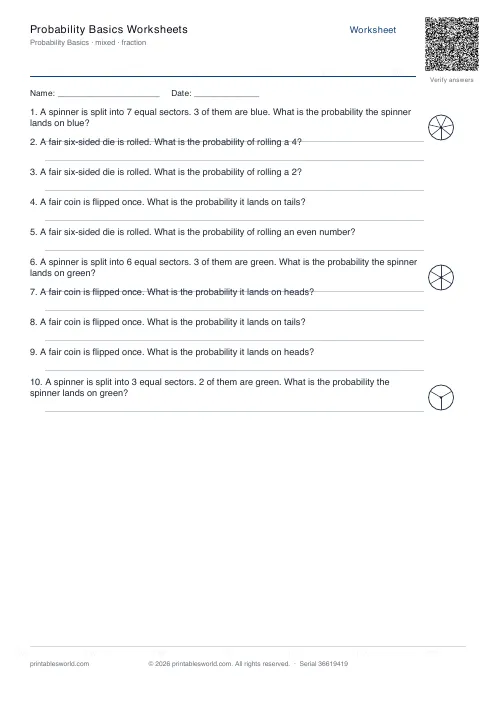
What this tool does
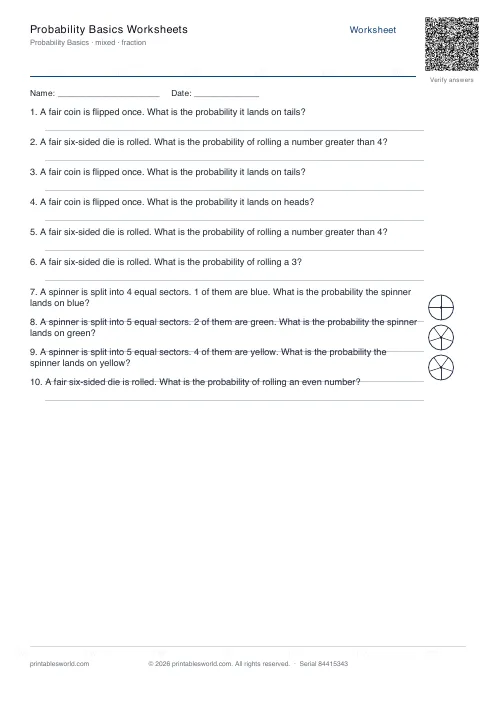
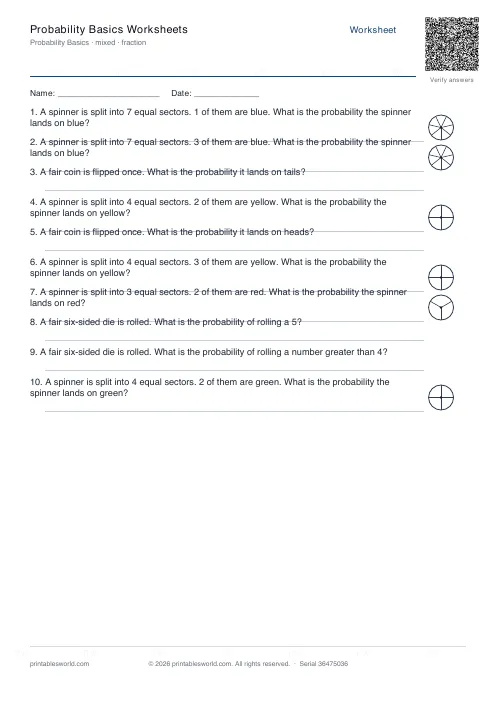
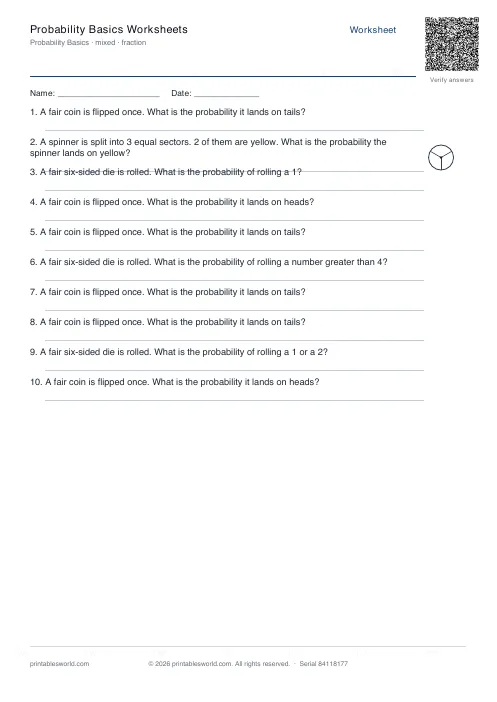
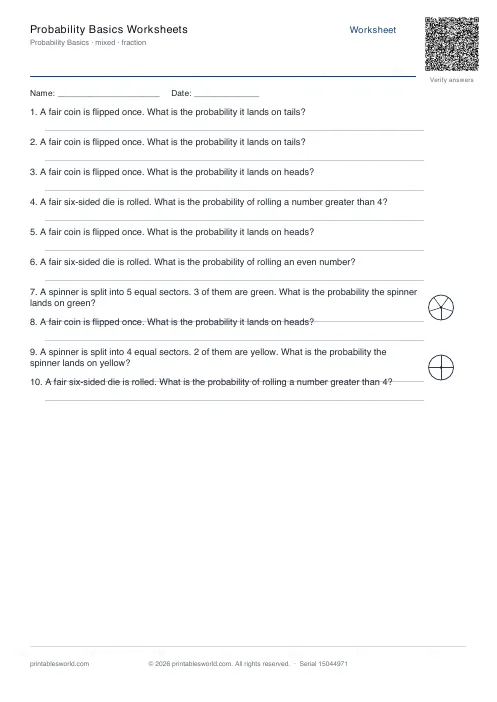
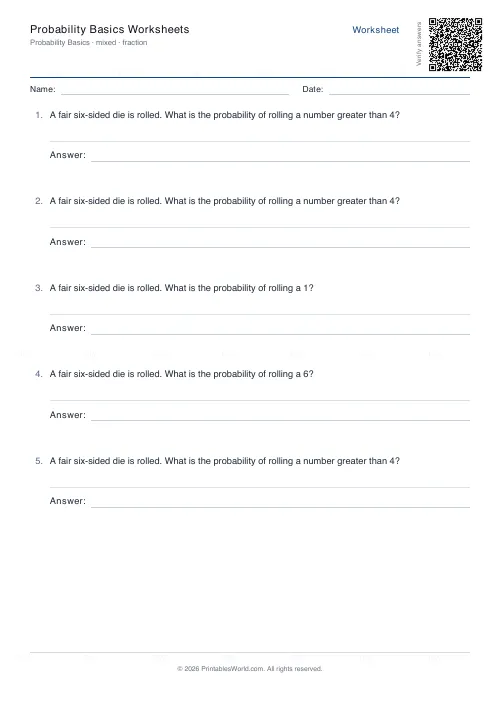
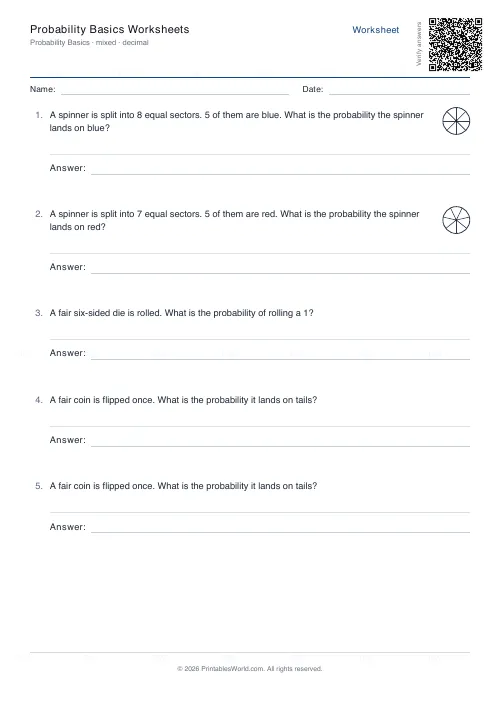
Probability worksheets built on the three starter models: a fair coin, a fair six-sided die, and a spinner divided into equal sectors. Questions use plain likelihood language rather than P(A) notation, and answers can be given as a fraction, a decimal, a percentage, or all three side by side.
People also used
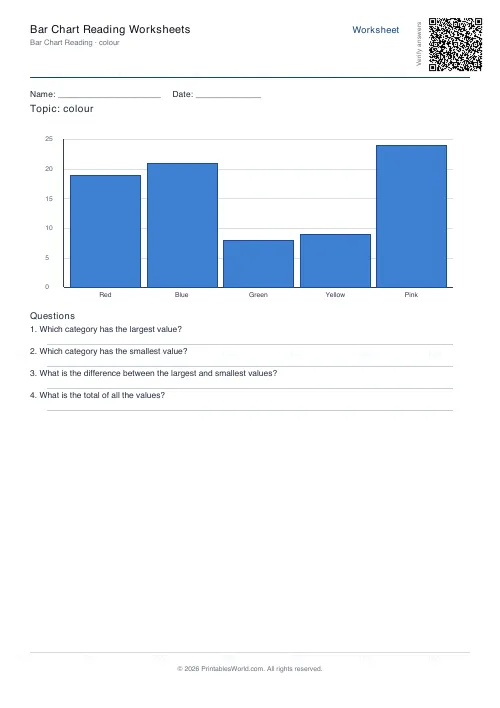
Bar Chart Reading Worksheets
Interpret a bar chart and answer comprehension questions about the data.
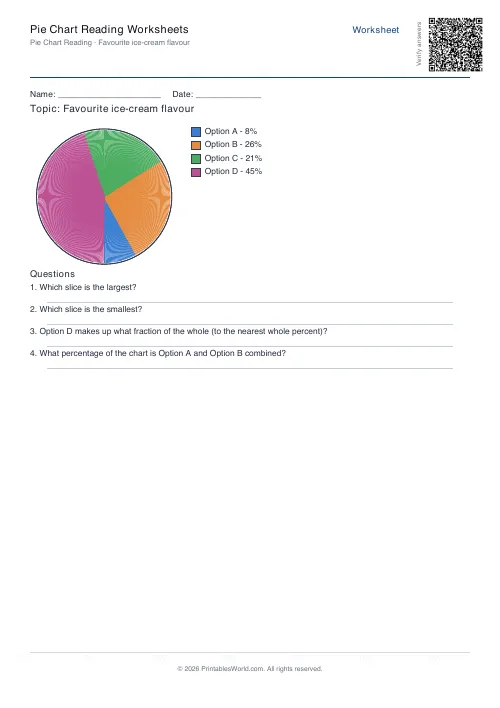
Pie Chart Reading Worksheets
Interpret a pie chart with percentages and answer comprehension questions.
Tally Chart Worksheets
Complete a tally chart and frequency table, then answer questions about the data.
Feedback
Spotted something off with this tool?
Three models, described in plain English
Questions read like what is the probability of rolling a number greater than 4? No P(X > 4) anywhere. At this stage the notation is a second thing to learn and it gets squarely in the way of the first.
Spinners are described in the question itself: a spinner split into six equal sectors, two of them red. The sector count varies from three to eight between problems, so a pupil cannot settle into one denominator and stop thinking about where it came from.
Two skills, and only one of them is probability
The first is identifying the sample space. How many outcomes are there, and how many of them count? On a die, greater than 4 means two outcomes out of six, and getting that far is the actual probability work.
The second is reducing 2/6 to 1/3. That is fraction work, attached. Pupils lose marks there having done the probability perfectly, so mark the two separately in your head or you will not know which one actually failed.
Every answer on the key is given in lowest terms, so the key doubles as a reminder that reducing is expected.
Fraction, decimal, percentage, or all three
The output format is the setting that turns this from a probability sheet into a cross-topic one.
Choose All and each answer prints three ways at once. 1/4, then 0.25, then 25%. The sheet now teaches equivalence directly, and it does it with numbers the pupil derived a minute earlier rather than with a conversion table handed to them.
Thirds are the interesting case. 1/3 as a decimal does not terminate, and how you want that written is a conversation worth having with the class before they meet it on a sheet rather than after.
Use real dice alongside it
The strongest version of this lesson is the worksheet plus an actual die and an actual coin on the table.
Work out the theoretical probability on paper. Then roll thirty times and tally. The results will not match, and that mismatch is the most important idea in early probability: a one-in-six chance does not mean one in every six. Children find it genuinely surprising, and it is very hard to convey from a page alone.
What is not here
Fair coins, fair dice, equal-sector spinners. Nothing weighted, and no compound events, so there are no questions about two dice or about drawing without replacement.
That is the right scope for a first probability sheet. Compound events need tree diagrams and a different kind of page, and mixing them in here would make a sheet that looks approachable and is not.
FAQs
Quick answers
What scenarios are supported?
Fair coin flips, fair six-sided dice, and labelled spinners with 3 to 8 equal sectors.
Can answers be expressed as fractions and percentages?
Yes. The Output format toggle lets you pick fraction, decimal, percent, or all three side by side.
Are the fractions reduced?
Yes. Answers are shown in their simplest form, for example 3/6 is written as 1/2.
Do I get an answer key?
Yes. Keep Include answer key on and the PDF appends a matching answers page.
Related tools
Bar Chart Reading Worksheets
Interpret a bar chart and answer comprehension questions about the data.
Pie Chart Reading Worksheets
Interpret a pie chart with percentages and answer comprehension questions.
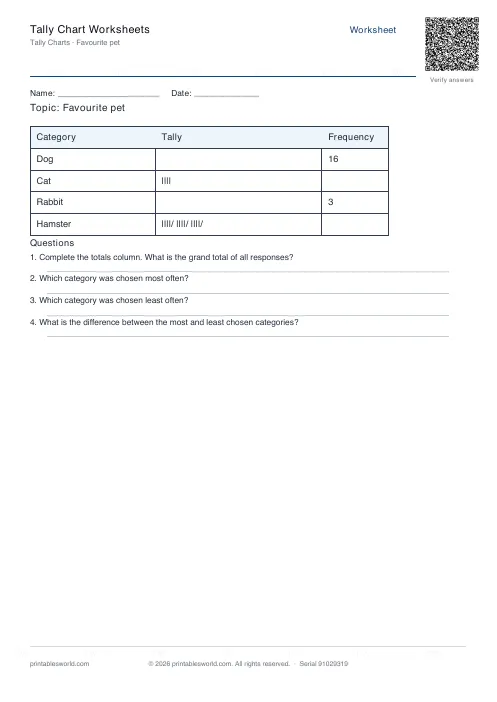
Tally Chart Worksheets
Complete a tally chart and frequency table, then answer questions about the data.
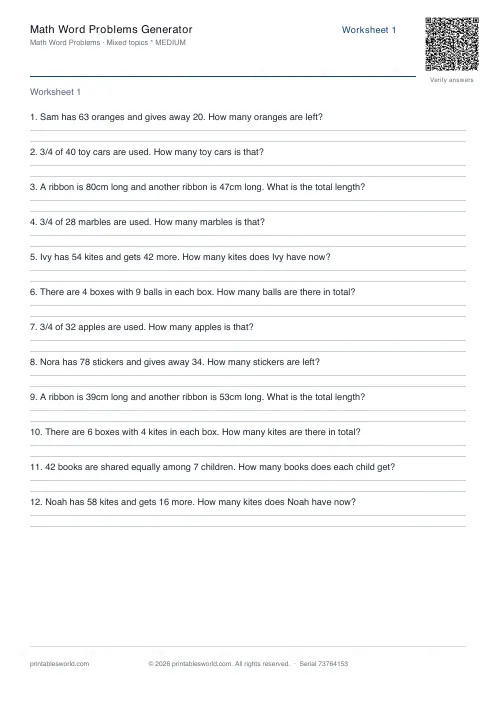
Math Word Problems Generator
Generate printable math word problem worksheets with customisable topics, difficulty, and answer keys.
Further reading
Math Worksheets
Fractions made simple: teaching fractions at home
Fractions go wrong when the rules arrive before the meaning. Here is the order that works, the four misconceptions to head off early, and how to use everyday objects before any worksheet.
6 min read
Math Worksheets
How many maths worksheets per day? A parent's guide
The honest answer is less than most parents assume. And the number of questions matters less than whether the session ends well.
5 min read
Math Worksheets
Making maths fun: 15 ways to practise without tears
Maths tears are usually about difficulty, length or fear of being wrong, not about maths. Fifteen practical changes, grouped by which of those three problems they actually solve.
6 min read
More like this
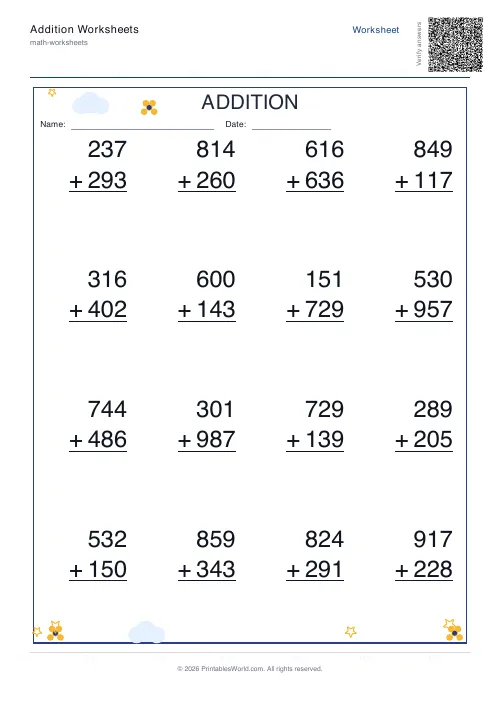 Addition Worksheets Generator
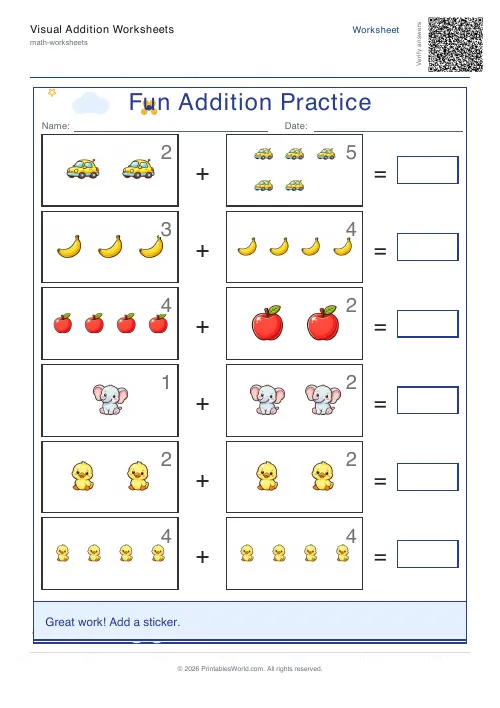 Visual Addition Worksheets Generator
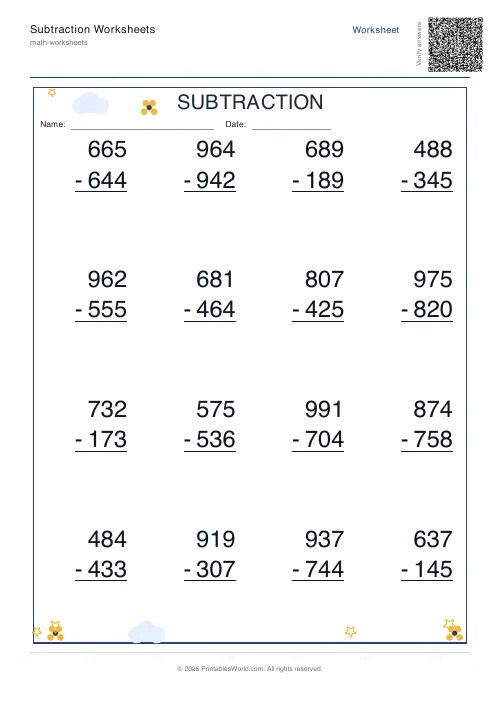 Subtraction Worksheets Generator
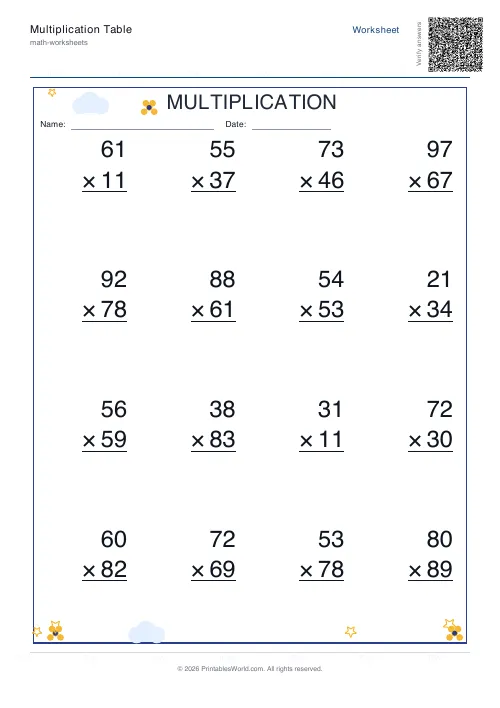 Multiplication Table Generator
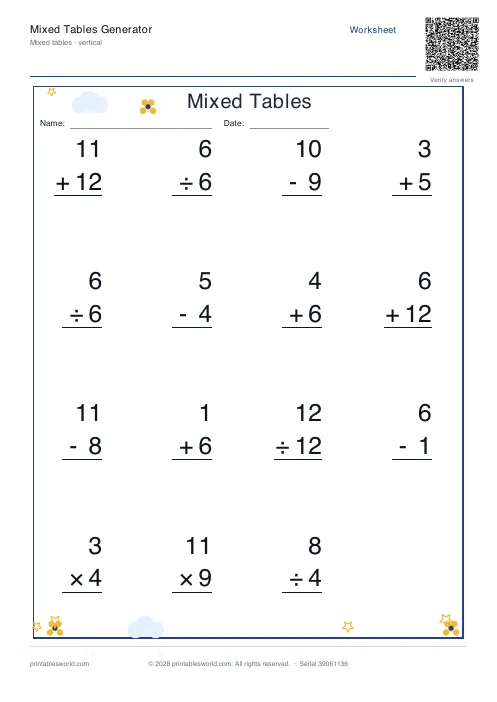 Mixed Tables Generator
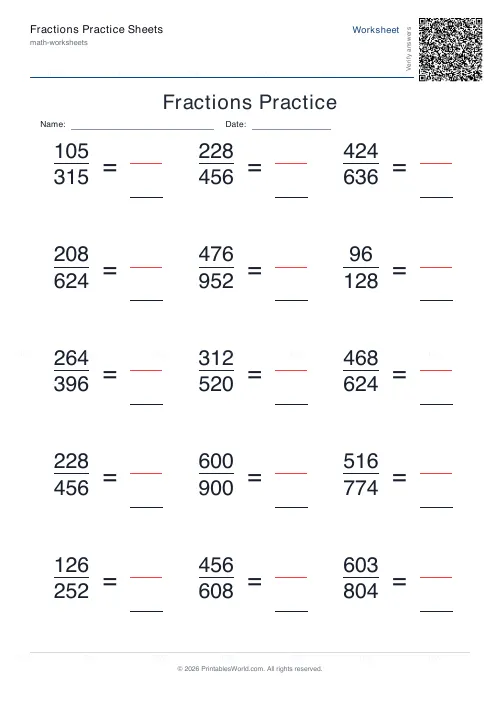 Fractions Practice Sheets Generator
- Math Word Problems Generator
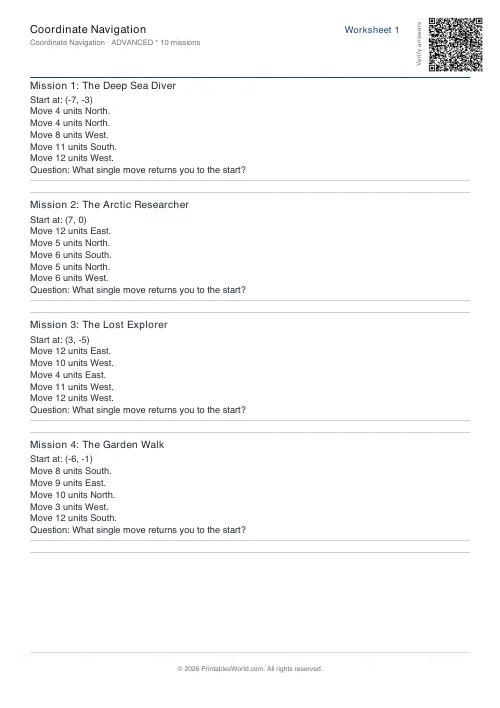 Coordinate Navigation Generator
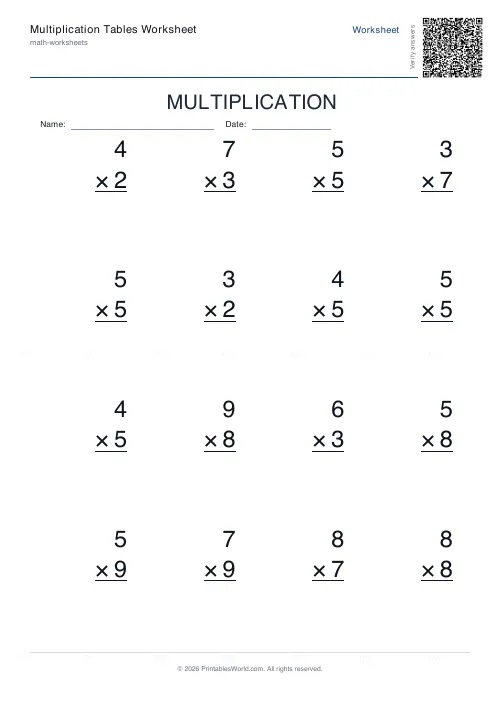 Multiplication Tables Worksheet
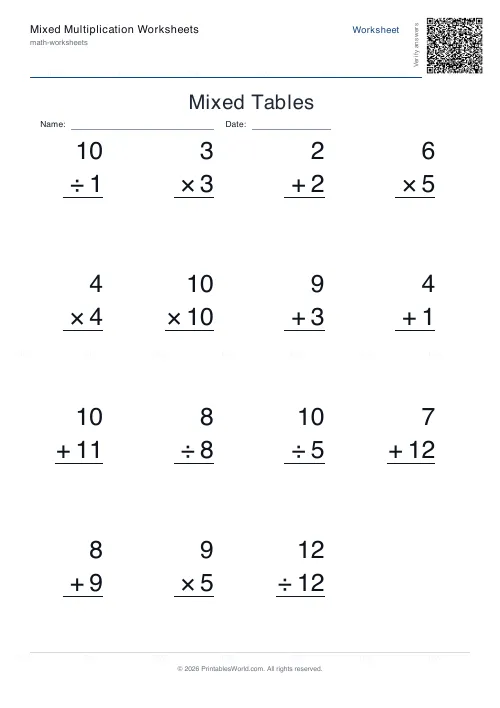 Mixed Multiplication Worksheets
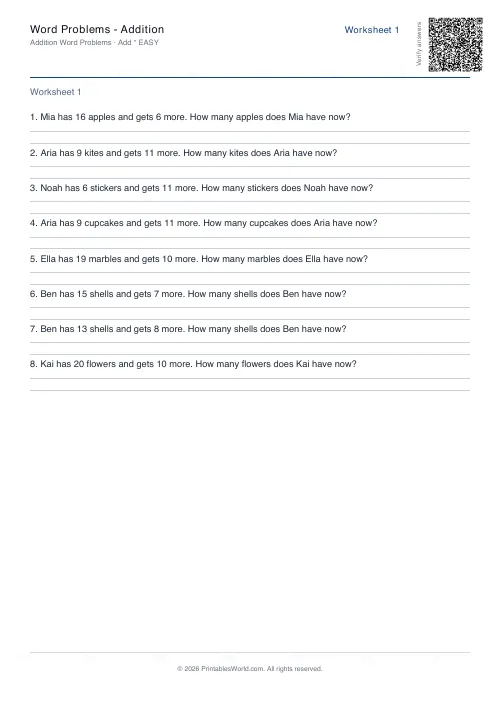 Word Problems: Addition
 Word Problems: Subtraction
 Word Problems: Multiplication
 Word Problems: Division