What this tool does
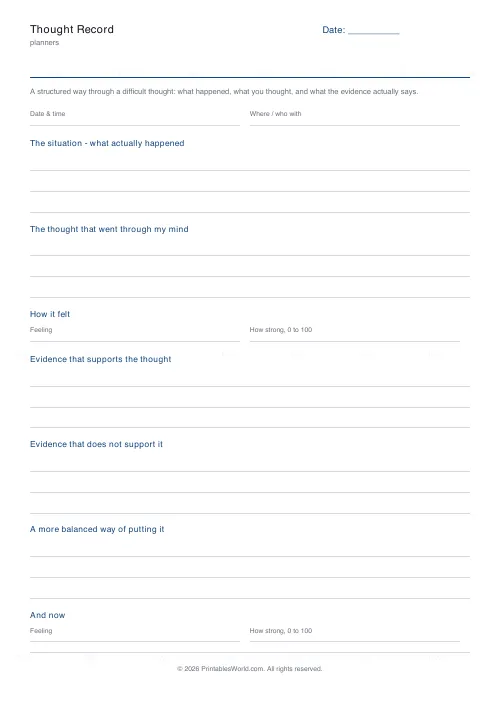
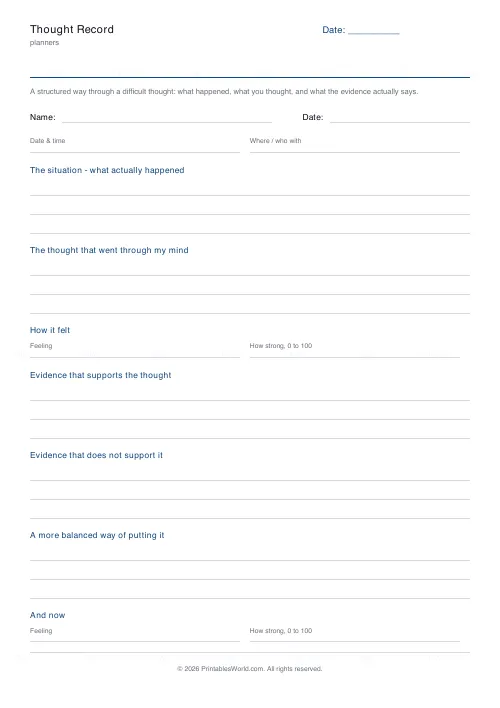
A structured reflection page. Situation, thought, feeling and strength, evidence for and against, a balanced alternative, and how it feels afterwards.
People also used
Feedback
Spotted something off with this tool?
The two evidence blocks are the work
Writing down a difficult thought does not change it. Setting out what genuinely supports it beside what genuinely does not is the step that does, and it is much harder to skip on paper than in your head.
Rating the feeling twice
The same feeling is rated at the top and again at the bottom. Sometimes the number drops and sometimes it does not, and both of those are useful to have written down rather than remembered.
What this sheet is not
It is a reflection page, not treatment, and it is not a substitute for talking to somebody. If a thought is persistent or frightening, the right next step is a clinician rather than another blank sheet.
How to work through it
Go in order and resist finishing early. The first three blocks are description, not analysis: what happened, what went through your mind, how it felt and how strongly. Writing the strength as a number matters more than it sounds, because it gives the bottom of the page something to compare against.
The two evidence blocks are where the work is. Evidence means things that happened, not things that feel true — "she did not reply" is evidence; "she must think I am an idiot" is another thought, and it belongs in the second block up.
The balanced thought is not a positive one
The aim is accuracy, not cheerfulness. A balanced thought usually contains a concession and a correction: "that went badly, and one meeting is not my whole record". If what you write does not feel at least somewhat true, it is not balanced yet.
This is a reflection page rather than treatment, and it is not a substitute for talking to somebody. If a thought keeps returning, or frightens you, that is a reason to speak to a clinician rather than to fill in another sheet.
FAQs
Quick answers
Is the thought record free?
Yes. Set the title, download the PDF and print as many copies as you like. No account and no sign-up.
Can I edit the section headings?
The heading at the top and the label in the corner are yours to change. The section headings are fixed, which is what keeps every copy of the sheet laid out the same way.
Will it fit on US Letter as well as A4?
Yes. Sections are measured against the paper you choose, so nothing runs off the bottom of the shorter sheet.
Can I print more than one copy at a time?
Yes — set the page count up to four and the PDF carries that many identical pages.
Related tools
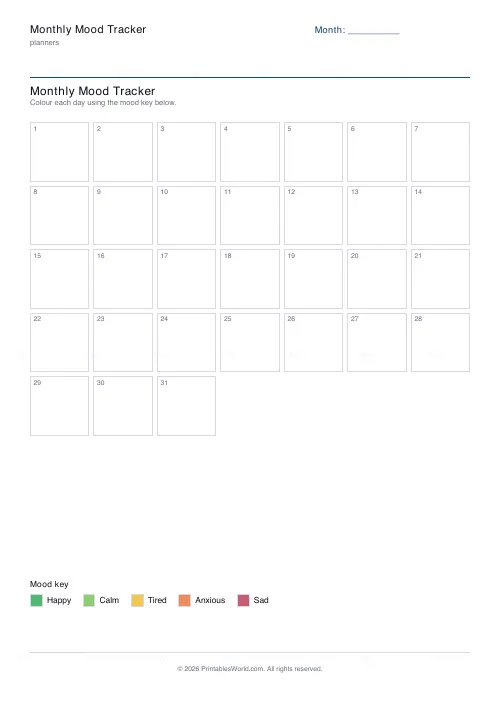
Monthly Mood Tracker
Colour-in mood tracker with 31 day cells and a customisable mood key.
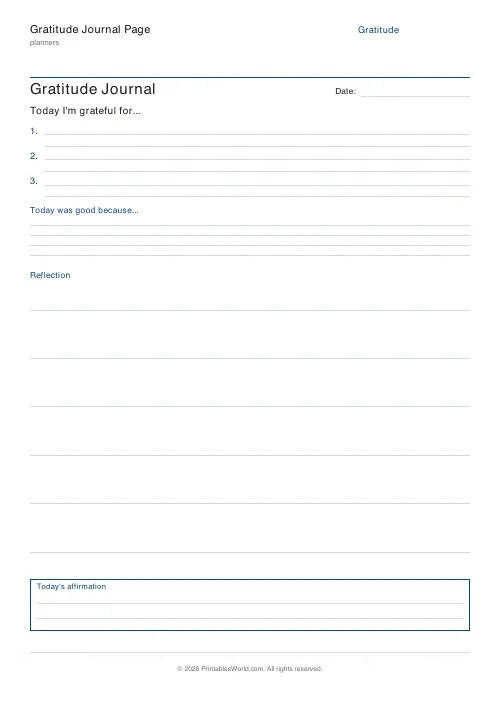
Gratitude Journal Page
Printable gratitude journal. Three gratitudes, a win, and a reflection space.
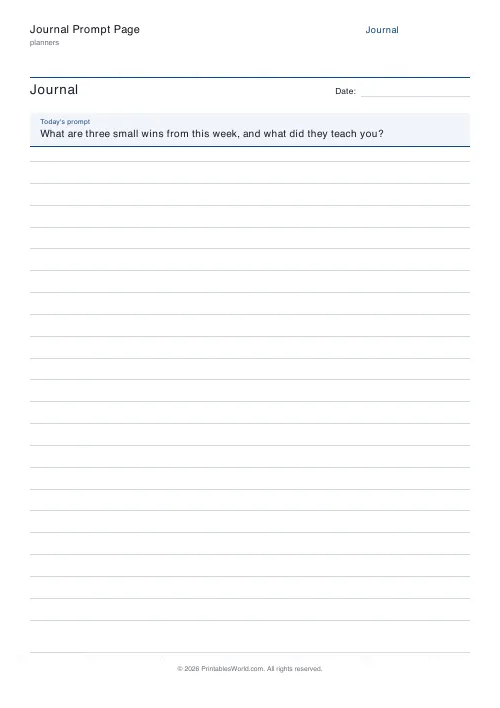
Journal Prompt Page
Printable journal page. One printed prompt at the top, full ruled writing area below.
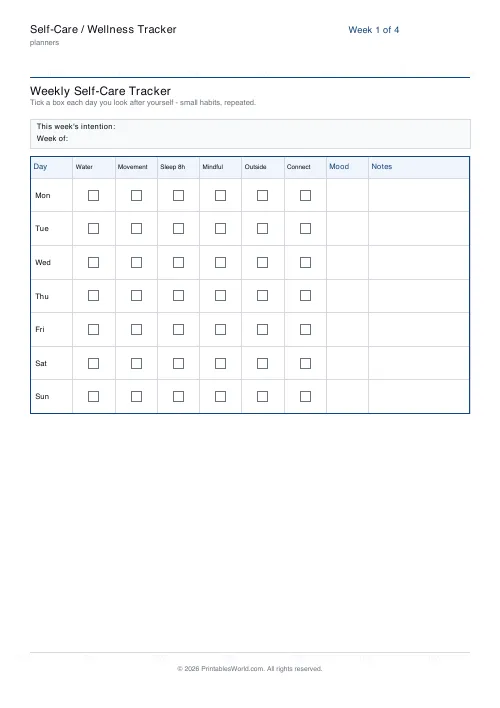
Self-Care / Wellness Tracker
Printable weekly self-care tracker with daily tick-boxes for the habits that keep you well.
Further reading
Planners
How to pay off debt faster with a payoff tracker
One method costs less; the other is easier to stick to. Here is how to choose between them honestly, and why a visual tracker changes the odds either way.
5 min read
Planners
How to track habits that actually change your life
Habit tracking works because it makes an invisible process visible. It fails when you track too many things, or when protecting the streak becomes more important than the habit.
5 min read
Planners
Study planning for exams: a student's complete guide
A revision timetable is only as good as what goes in the slots. Here is how to build one backwards from the exam date, and which study methods the evidence actually supports.
5 min read