Planners
Meal planning 101: save time and money every week
By Jobi · Creator & Maintainer, PrintablesWorld · Updated 2026-07-07 · 5 min read
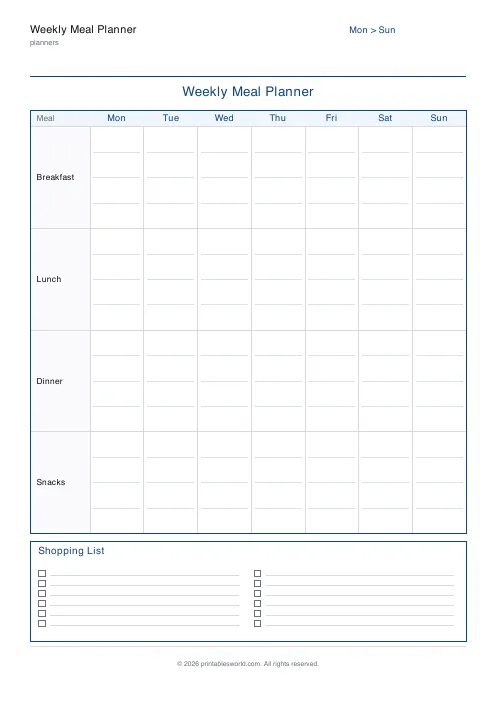
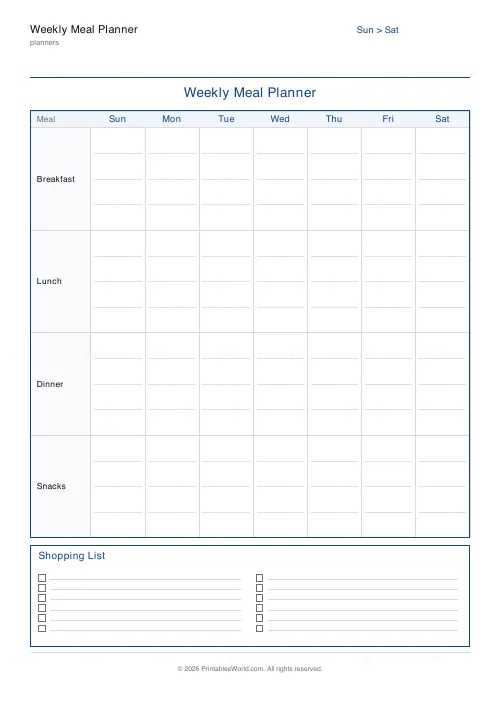
Meal planning saves money less because you cook cleverer food and more because you stop buying things you do not use. A plan changes what goes in the trolley, and the trolley is where the money goes. A free printable weekly meal planner plus a grocery list is the whole toolkit.
What meal planning actually saves
Money, through three specific mechanisms: fewer impulse buys, less food thrown away, and far fewer emergency takeaways bought at 6pm because nobody knows what dinner is. Household food waste is substantial in most high-income countries, and a meaningful share of it is food bought without a plan for using it.
Time, mostly in decisions rather than minutes. Deciding what to eat, every day, while tired and hungry, is a small tax paid daily. A plan pays it once.
Mental load, which is usually the real reason people persist. Knowing what Thursday's dinner is on Sunday evening removes something from the background all week.
A thirty-minute weekly method
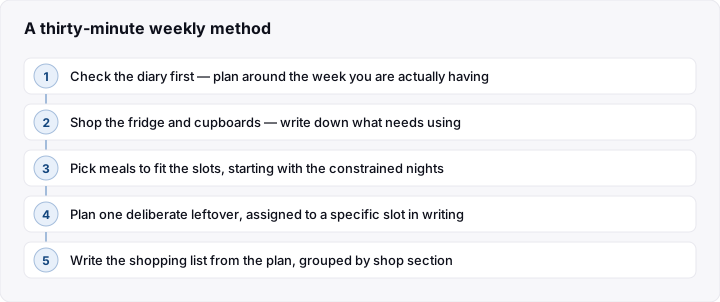
Same time each week, on paper, in this order.
- Check the diary first. Which nights are you out, late, or feeding extra people? Plan around the week you are actually having. Late nights get the fastest meals.
- Shop the fridge and cupboards. Write down what needs using. This one step does most of the waste-reduction work.
- Pick meals to fit the slots, starting with the constrained nights. Two or three genuinely quick meals per week is realistic; five is not.
- Plan one deliberate leftover. Cook double on the easiest night and assign the leftovers to a specific slot, in writing. "We'll have leftovers sometime" becomes food waste.
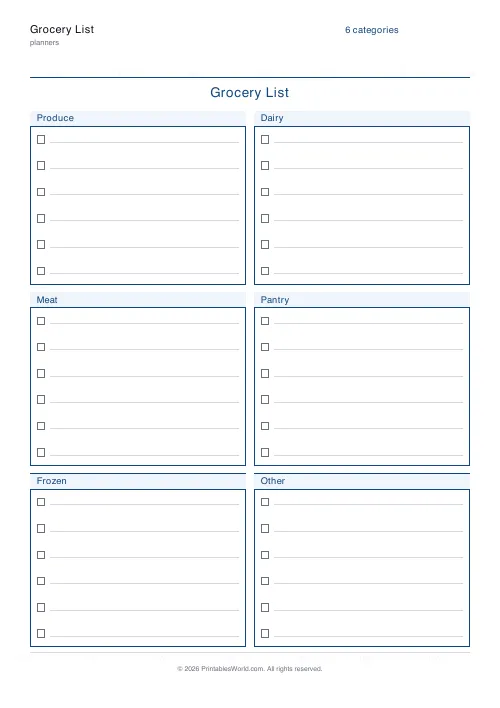
- Write the shopping list from the plan, grouped by supermarket section, after checking what you already have.
Keep completed plans. After a couple of months you have a personal bank of weeks that worked, and planning drops to ten minutes because you are choosing rather than inventing.
Shopping from the plan
The list only works if you use it as a boundary rather than a suggestion.
- Group by section: produce, dairy, tins, frozen. Walking the shop once is faster and dramatically reduces browsing, which is where impulse buys happen.
- Do not shop hungry. Well-worn advice because it is true.
- Check the list before the offers. A discount on something you were not going to buy is not a saving.
- Buy loose where you can. Packs of six when you need two is a common source of waste, particularly for produce.
Shortcuts that keep it going
Theme the nights. Meat-free Monday, pasta Wednesday, something-from-the-freezer Friday. Themes cut the number of decisions from seven to seven small ones inside a known category, which is much easier.
Keep a rotation of ten. Most households eat the same core meals anyway. Writing down ten that everyone accepts, with their ingredients, turns planning into ordering.
Cook once, eat twice. Chilli, curry, bolognese, soup. All better the next day, and all freeze well.
Keep an emergency meal. One meal's worth of ingredients that live in the cupboard permanently and are never eaten except on the night the plan collapses. That is what stops one bad evening becoming a takeaway habit.
Why most plans die in week three
Weeks one and two are enthusiastic. The plan is ambitious, the food is varied, and everything gets cooked. Week three is a normal week, and the ambitious plan does not survive it.
The fix is to plan for the tired version of yourself from the beginning. If a plan requires a good week to work, it will work for about a third of the year.
Two specific guards. First, never plan seven new recipes. Two new ones is plenty. Second, plan one night as explicitly unplanned: leftovers, eggs on toast, whatever is around. A plan with a hole in it survives; a plan that demands seven cooked meals breaks the first time someone is late home.
Frequently asked questions
How far ahead should I plan?
A week suits most households. Far enough to shop once, close enough that you still know what the week holds. Fortnightly planning works if you have freezer space and a stable schedule.
Does meal planning really save money?
For most households, yes, mainly through less waste and fewer unplanned purchases. The size of the saving depends on how much you were throwing away and how often you were buying food at short notice, so it varies a lot.
What if my family is fussy?
Build the rotation from meals that already work rather than trying to reform everyone's tastes and the planning habit at once. Introduce one new thing a week alongside something known.
Should I meal plan breakfast and lunch too?
Usually not at first. Those tend to be repetitive and low-decision anyway. Dinner is where the cost and the daily 6pm decision live, so start there.
Before you print
Check the diary, shop your own cupboards, plan around the constrained nights, and leave one night deliberately unplanned. Print the weekly meal planner and the grocery list together. The list is what turns a plan into a saving.
Related tools
Continue reading
Planners
Budgeting for beginners: the 50/30/20 rule explained
Half to needs, 30% to wants, 20% to savings and debt. A useful starting frame. And this covers what actually counts as which, plus what to do when the numbers do not fit.
5 min read
Planners
How to build a daily routine that actually sticks
Most routines fail in week two, when motivation runs out and nothing has replaced it. The fix is structural: fewer items, fixed anchors, and a plan for the day you miss.
6 min read